30 May, 2025
The enhancement of the local history (Part Three)
What future… a virtuous example
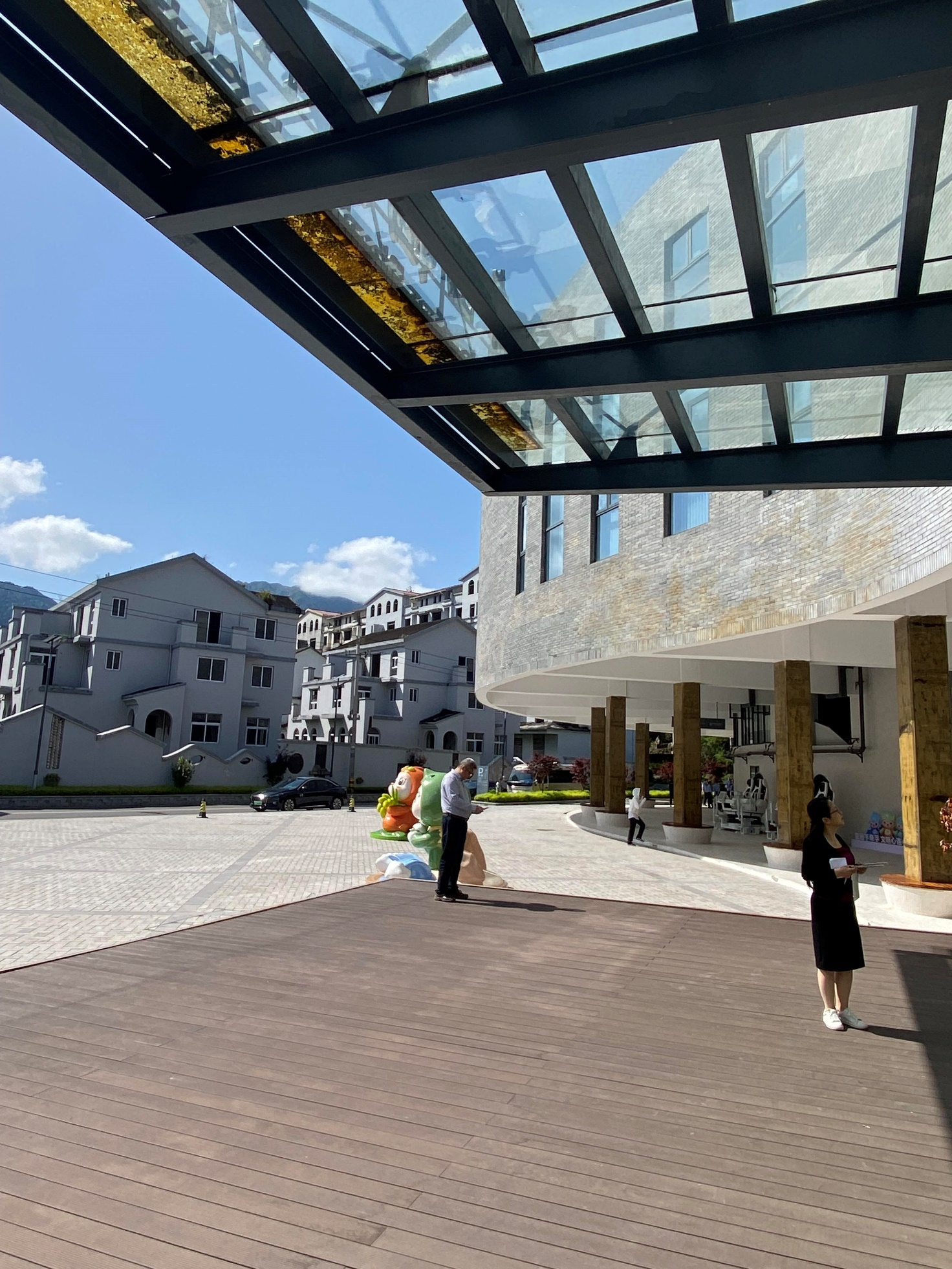
In some cases, backwardness transforms into opportunity. Fangshan District (方山), thanks to its clean waters and generally unpolluted environment – precisely due to the lack of industrial development – has become the site of a FAO-funded project for sustainable and ecological rice cultivation. Rice production combines with controlled freshwater fish farming, which provides natural fertilizer and eliminates the need for chemical additives. This experiment has gained national recognition and is thoroughly documented in a small local museum.
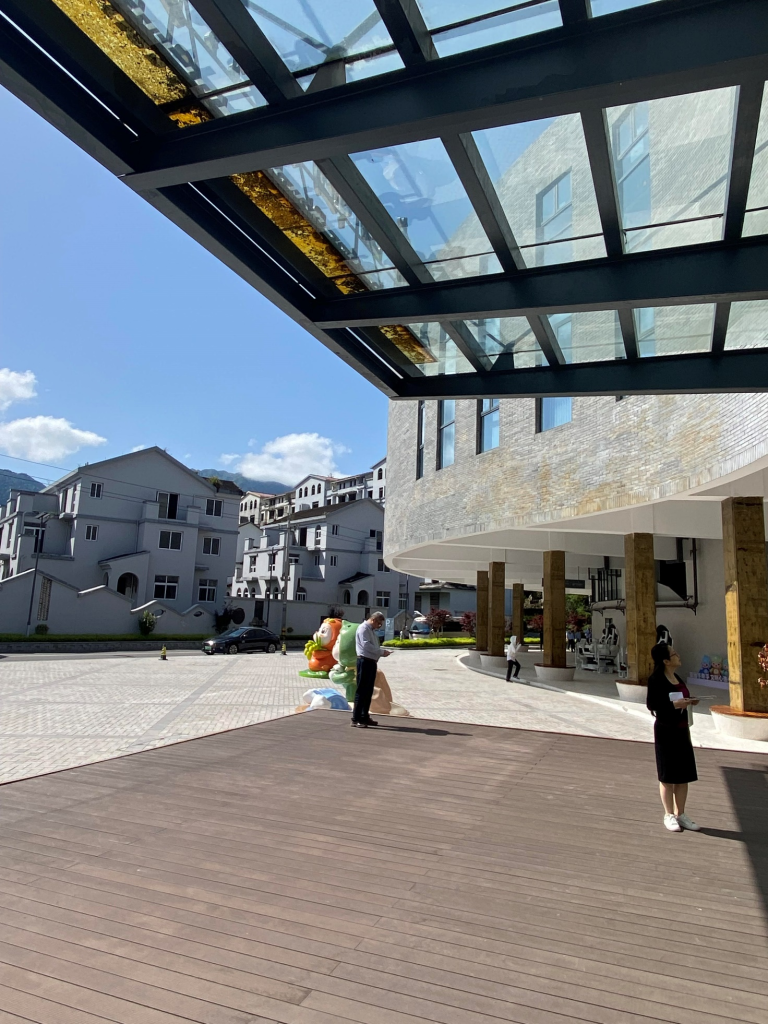
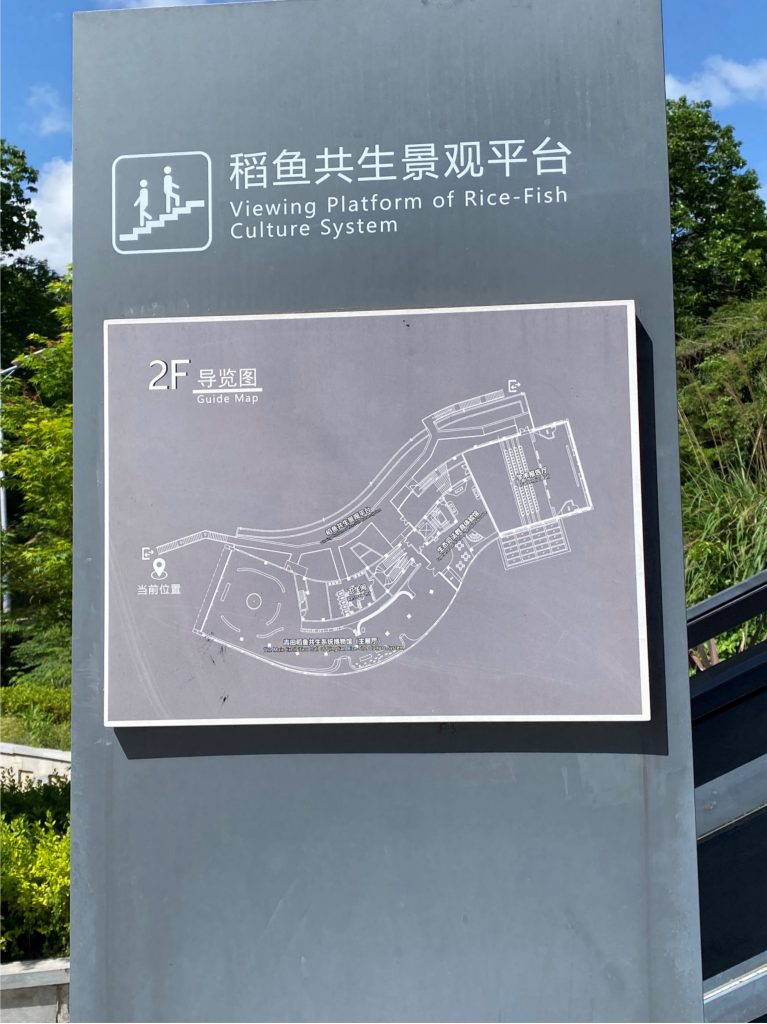
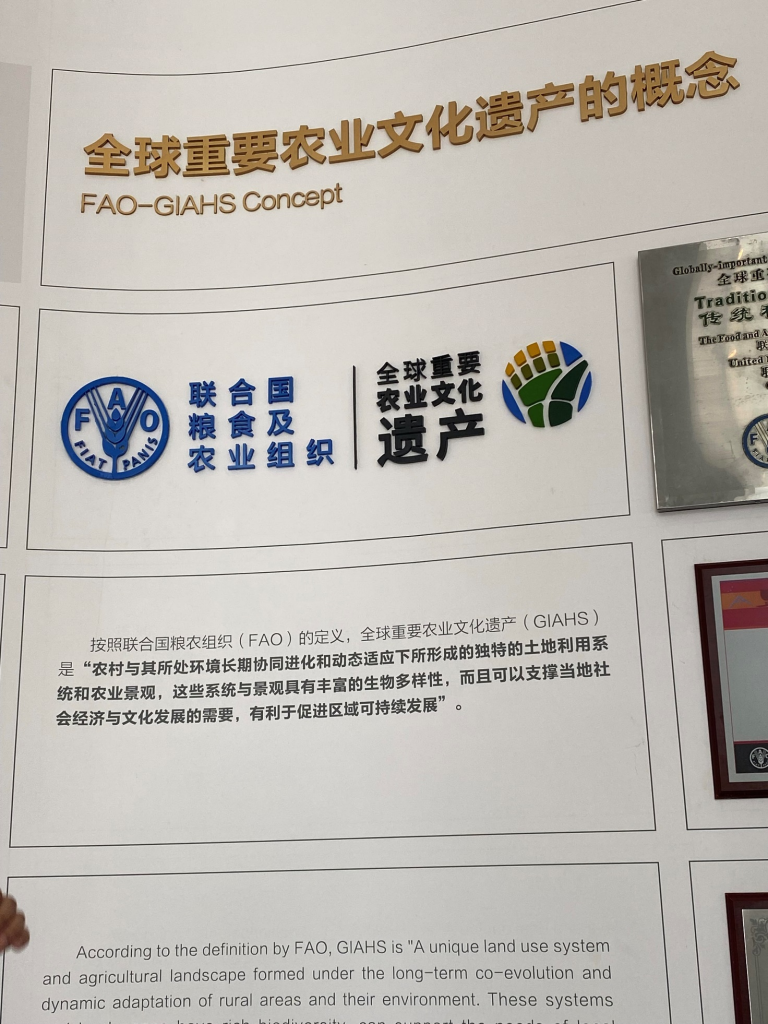
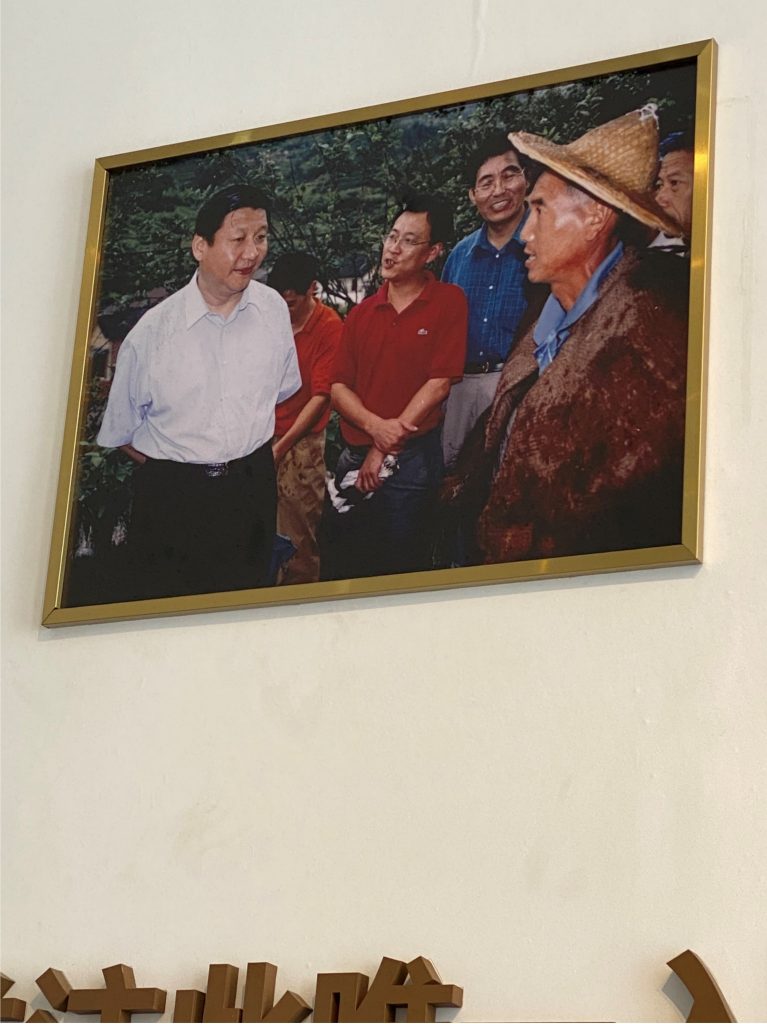
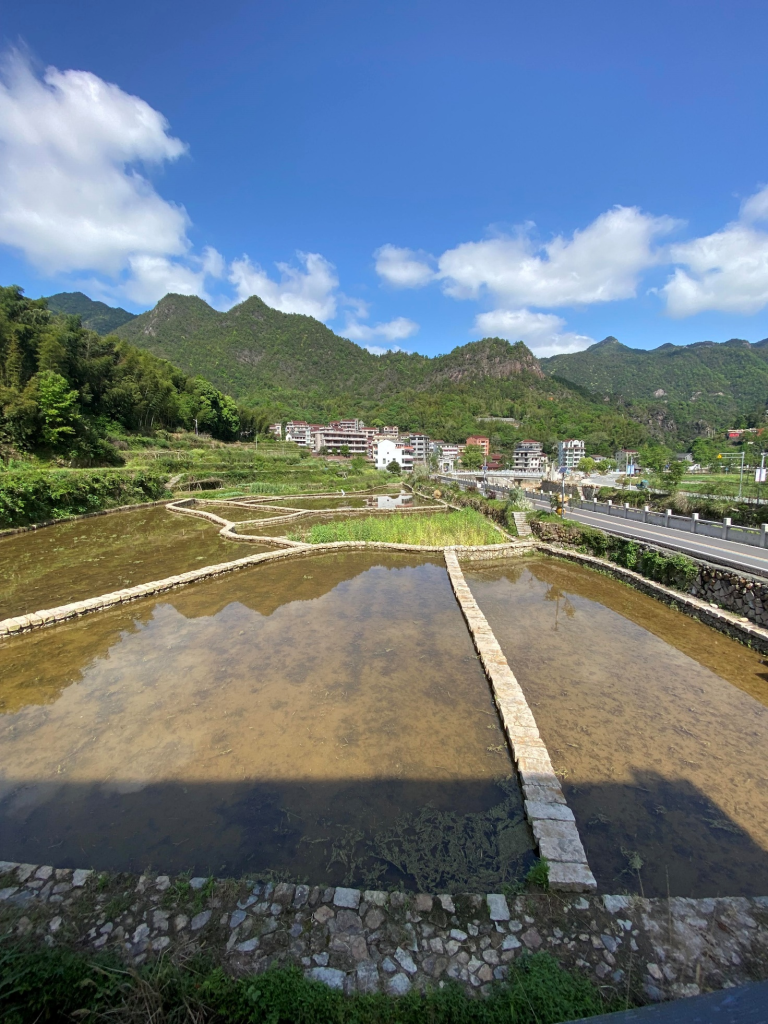
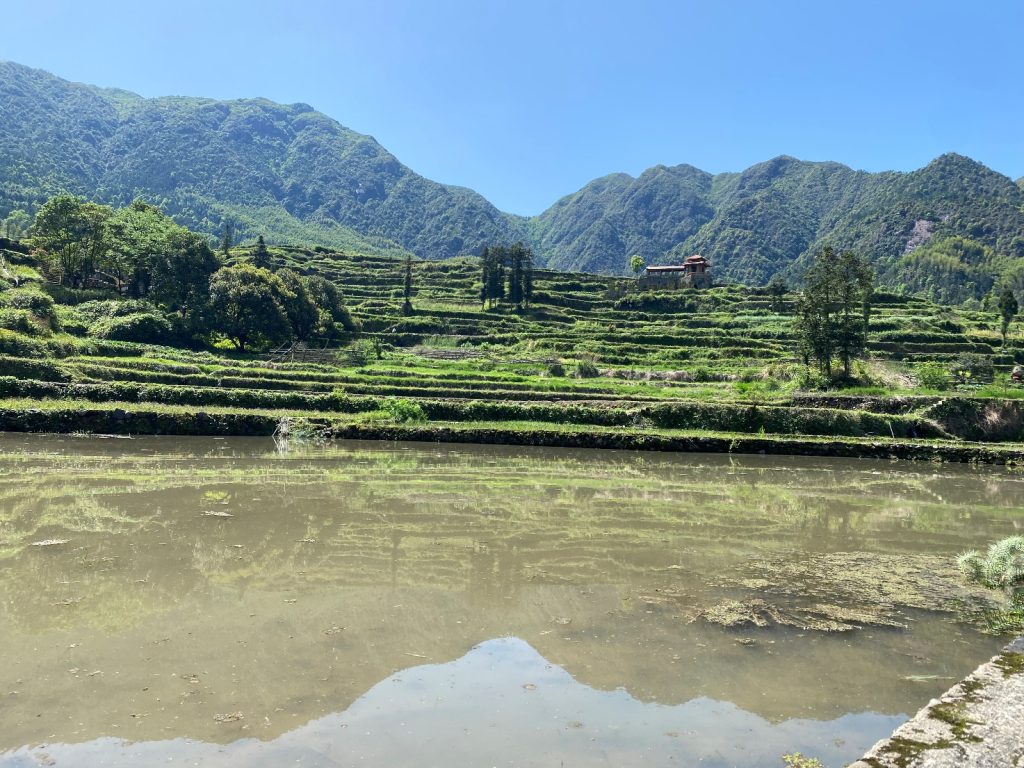
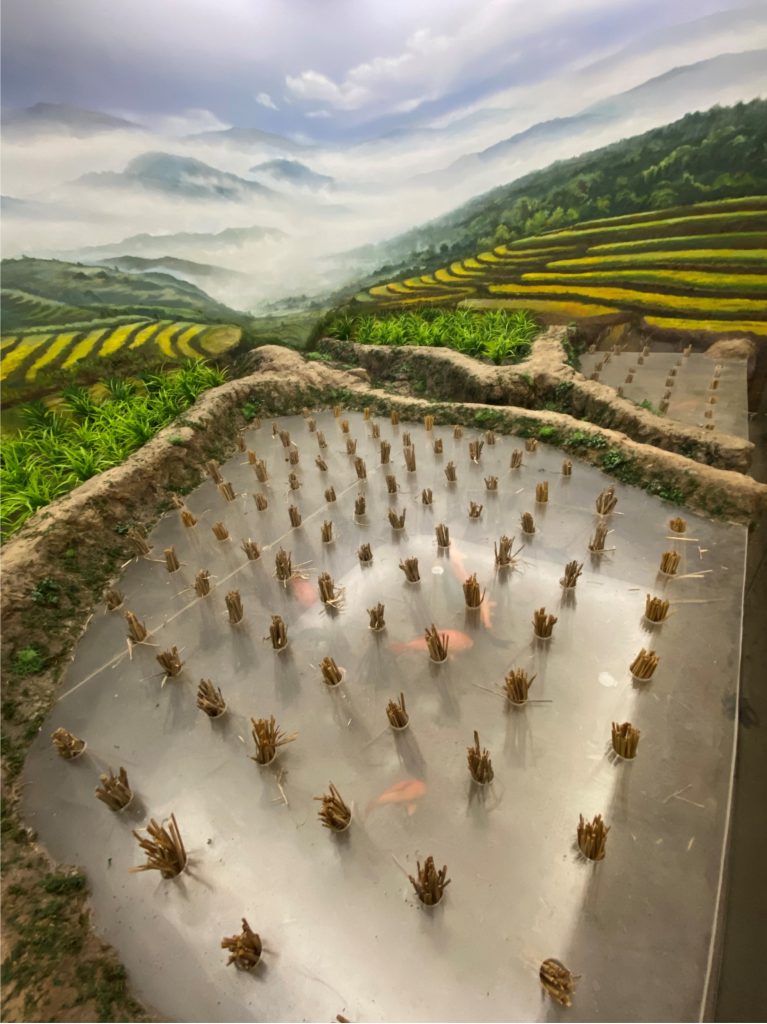
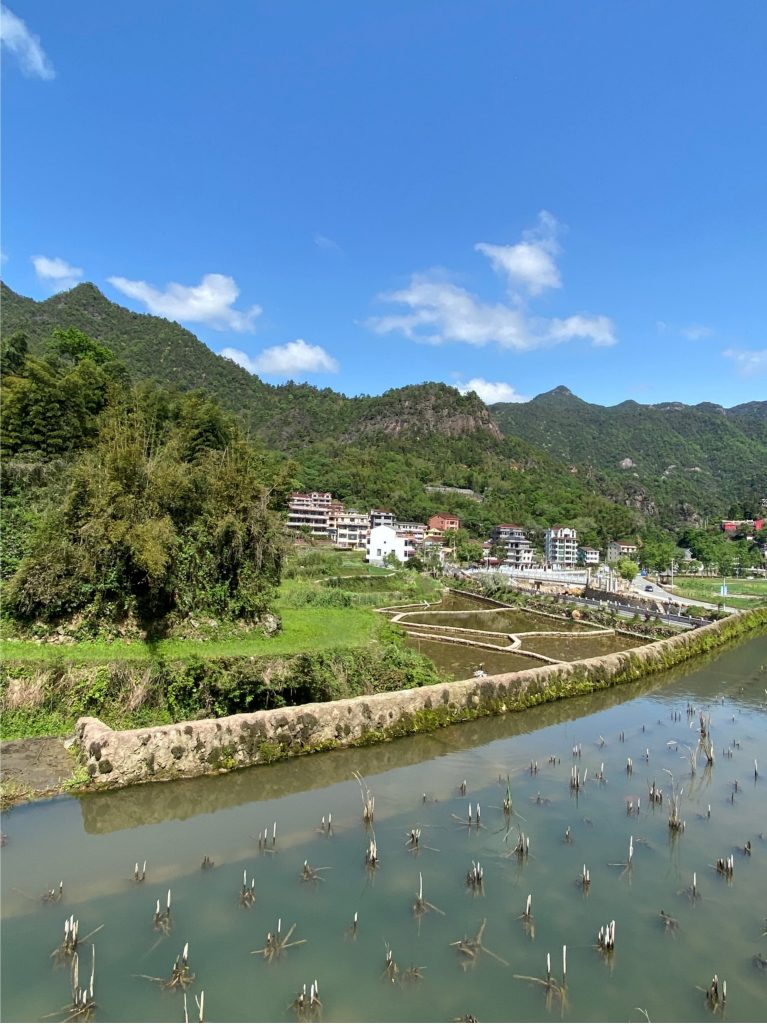
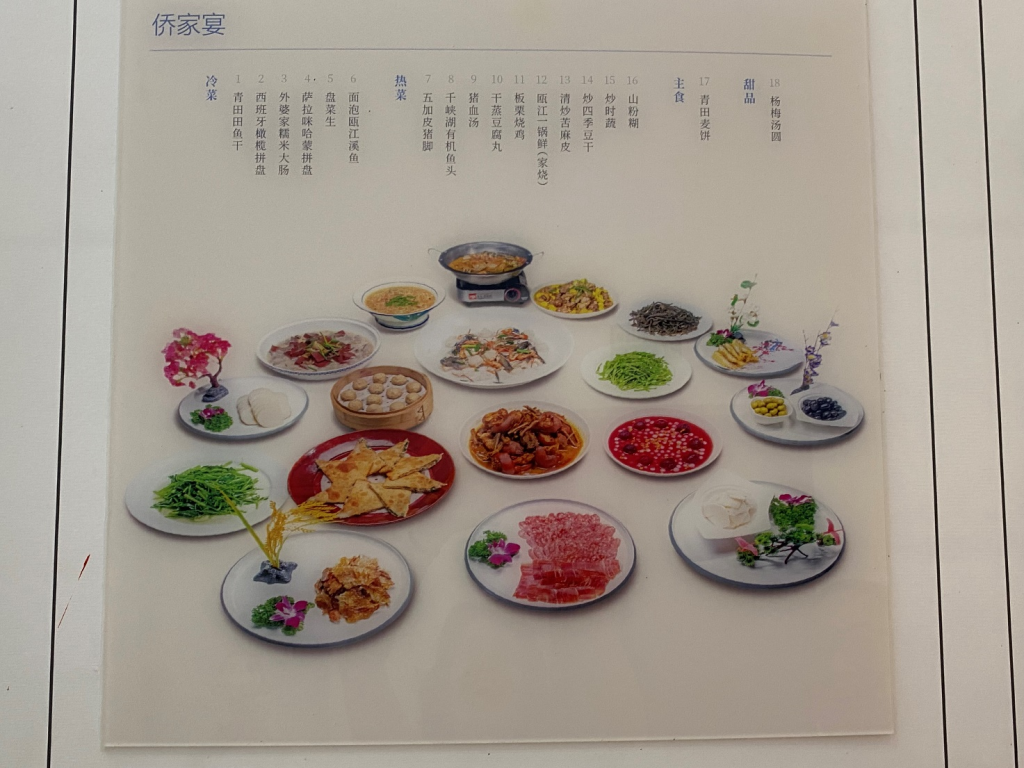
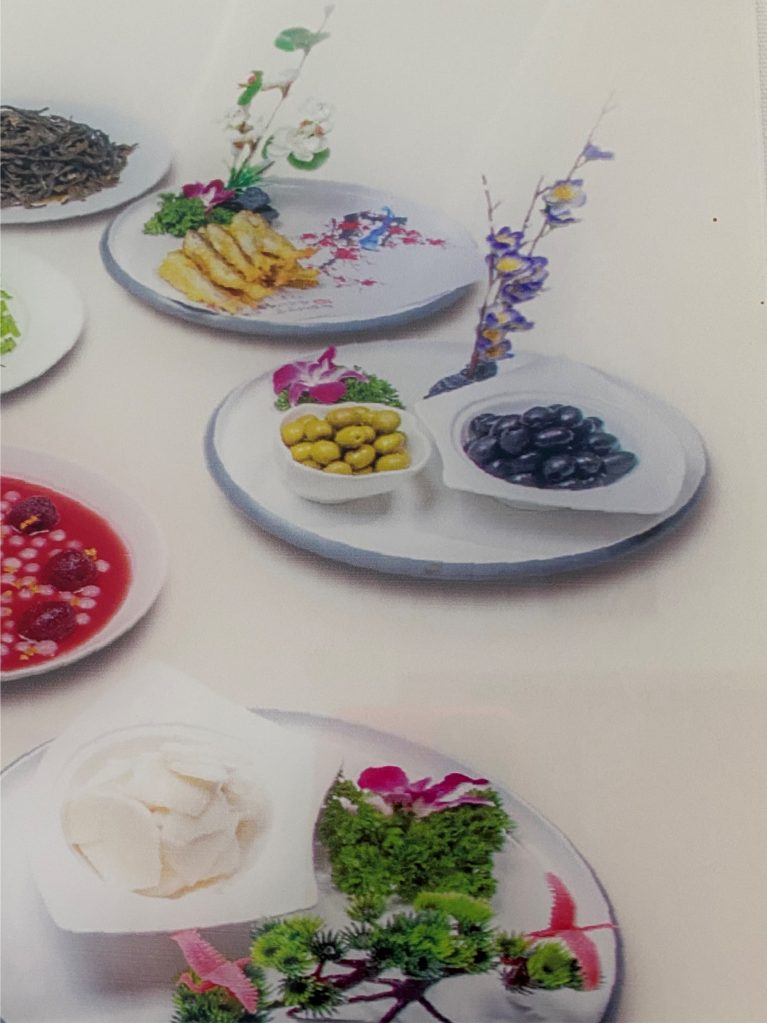
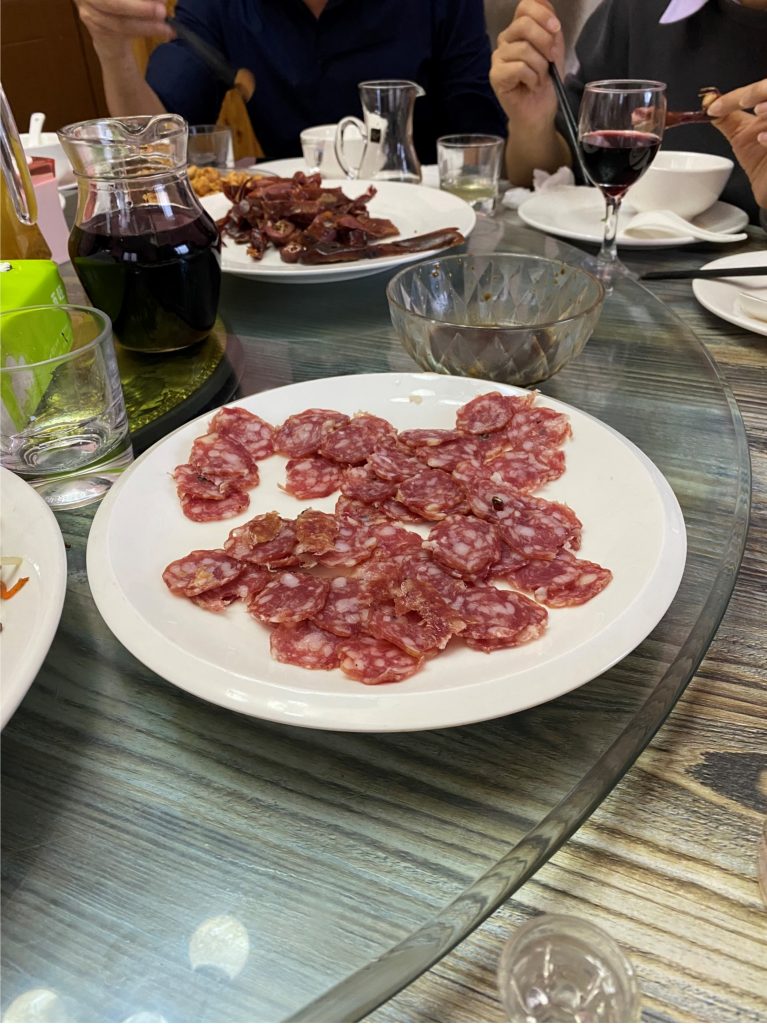
The museum also showcases traditions and folk festivals tied to the rhythms of land and rice cultivation, while presenting typical local rice-based dishes. The display of a table setting featuring these traditional dishes holds a surprise: among them are listed salami, ham, and olives – foods evidently introduced by returning emigrants that have now become assimilated into the local cuisine and are perceived as “native.”
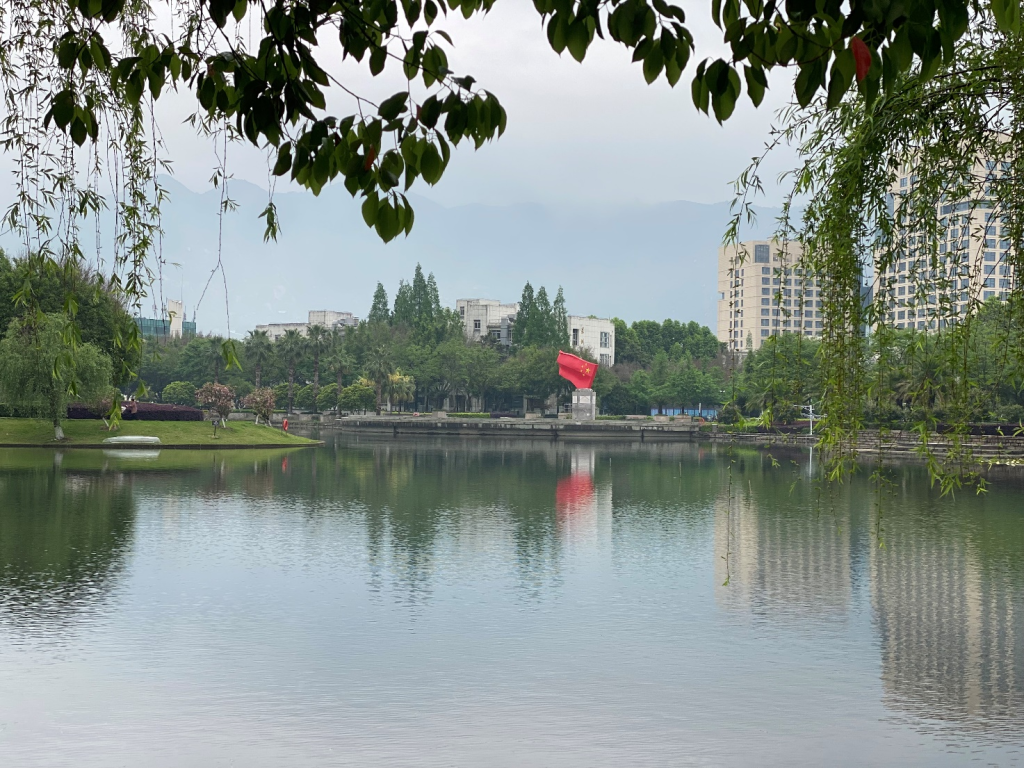
Wenzhou University
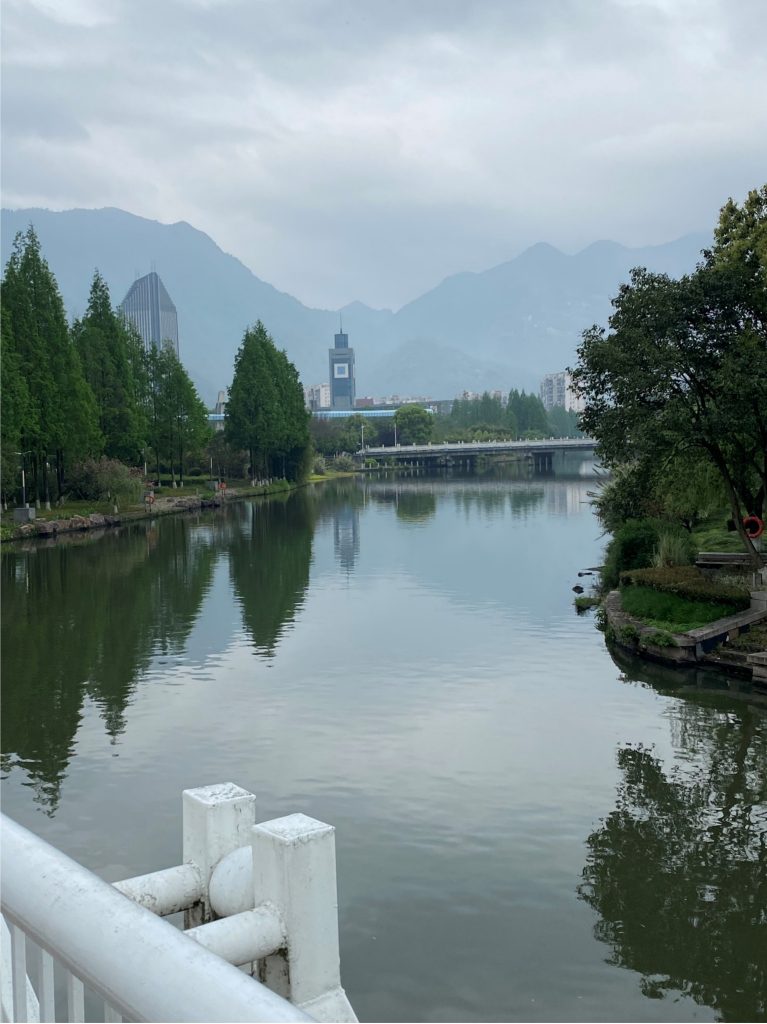
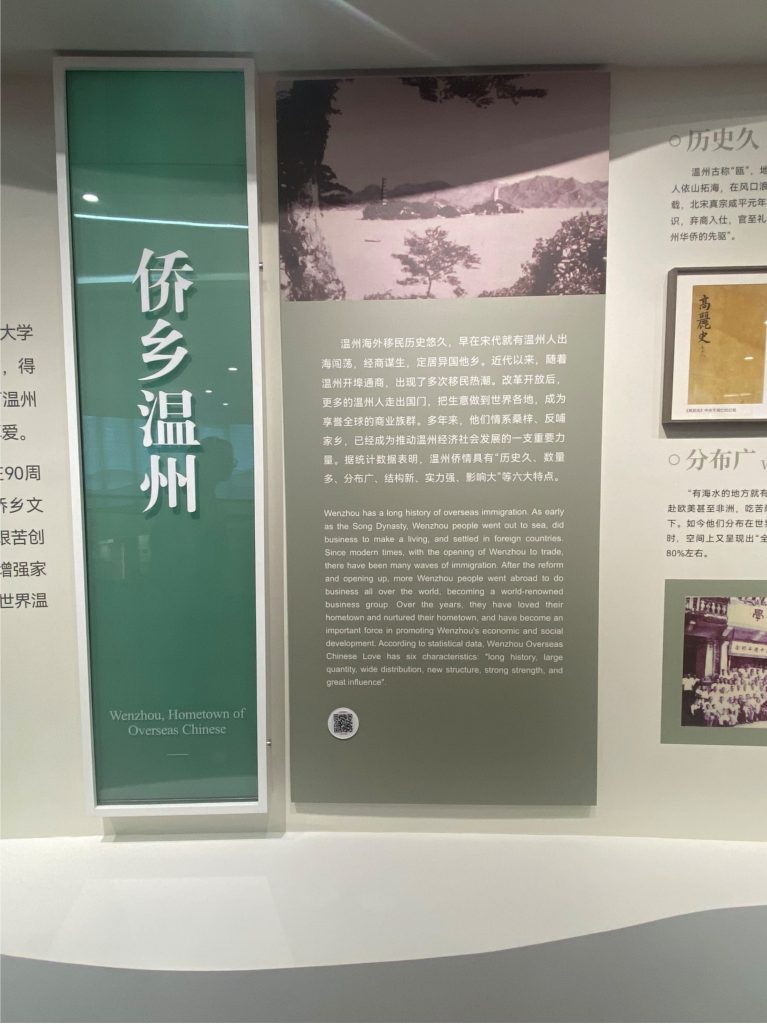
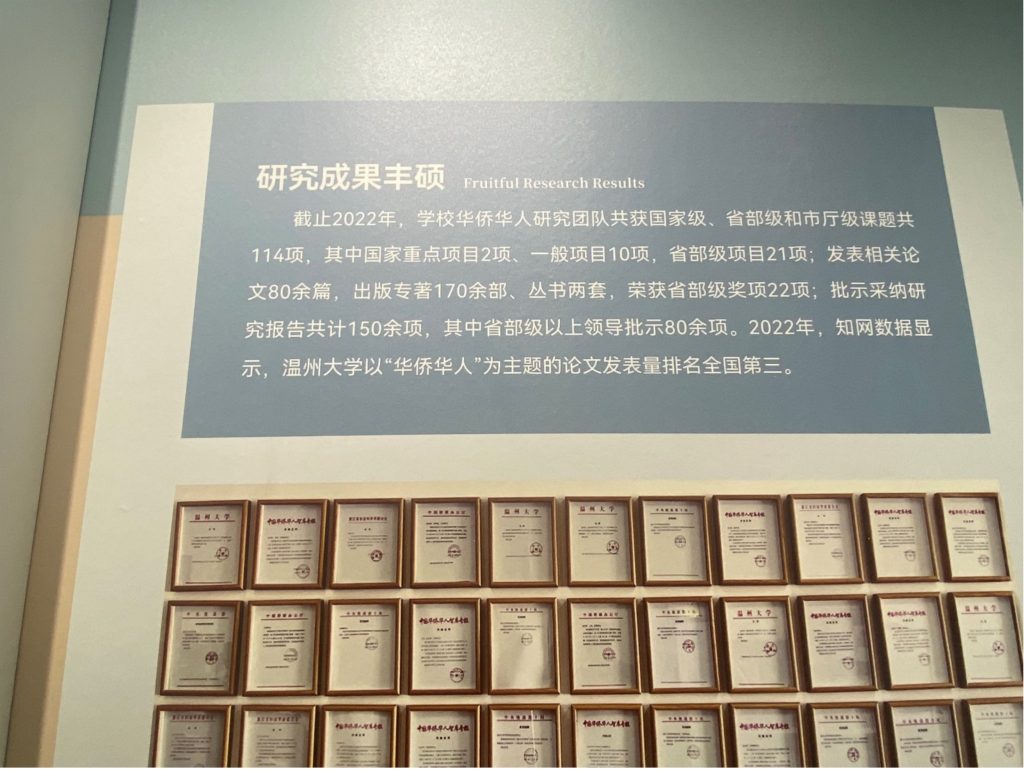
We have already mentioned this university, which has the specific mission of studying Chinese migration phenomena as well as organizing activities and initiatives that keep emigrants connected to their homeland. There is, of course, a political purpose behind this project because, especially under Xi Jinping’s presidency, overseas Chinese are regarded by the government as an important element of China’s soft power.
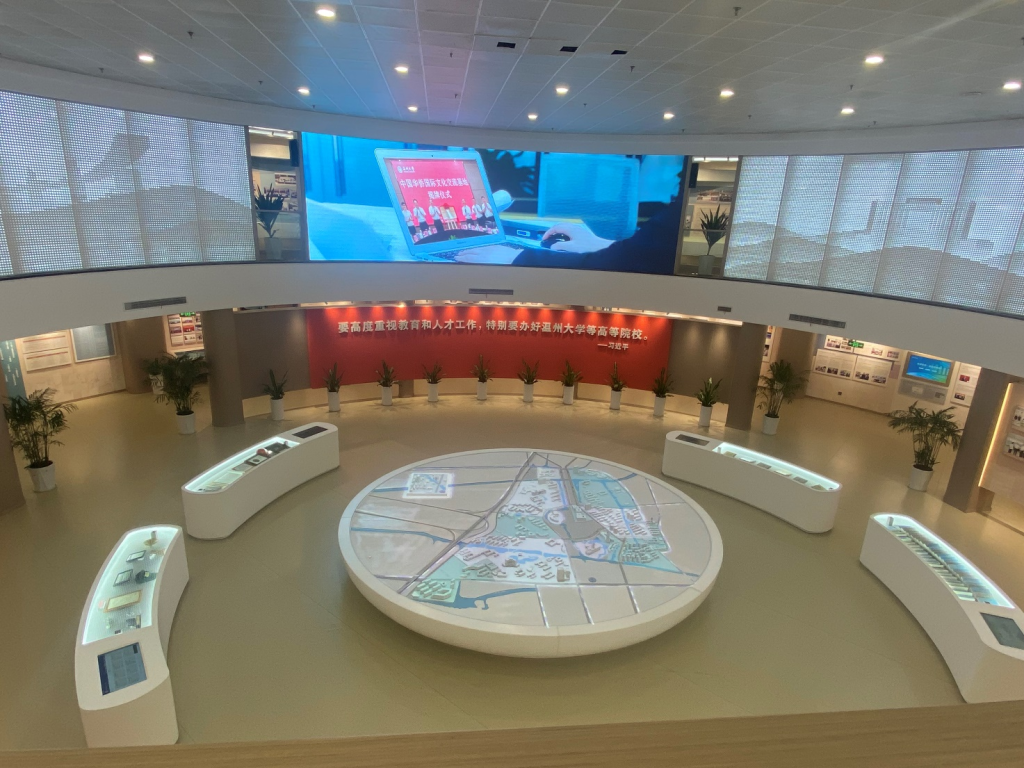
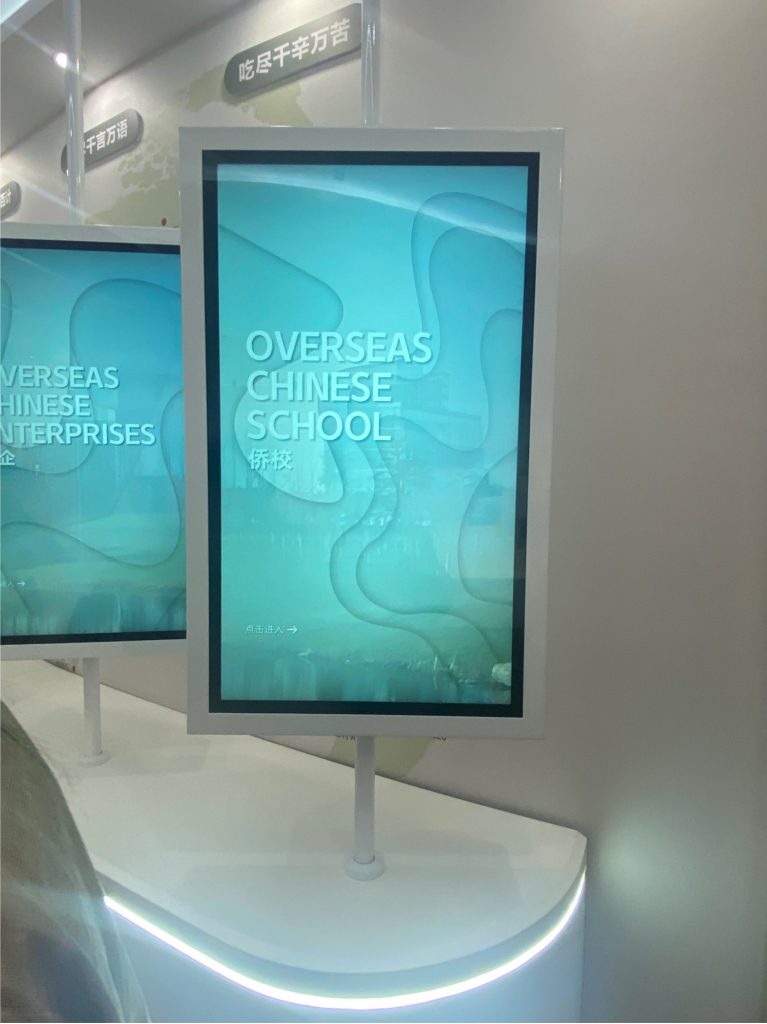
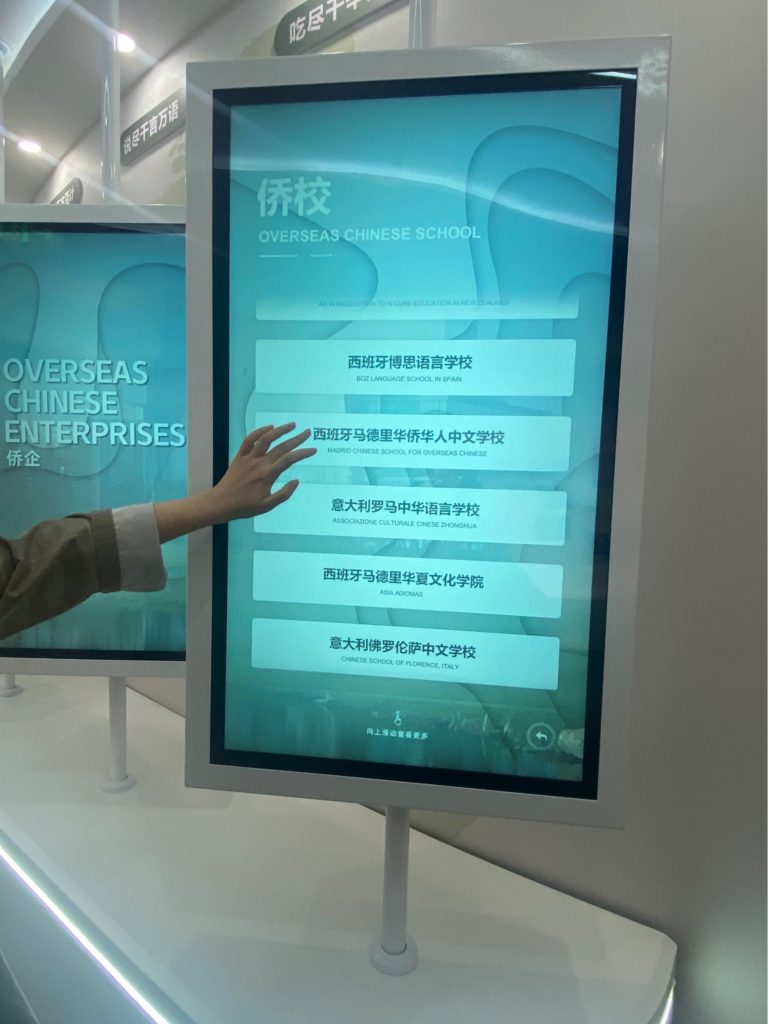
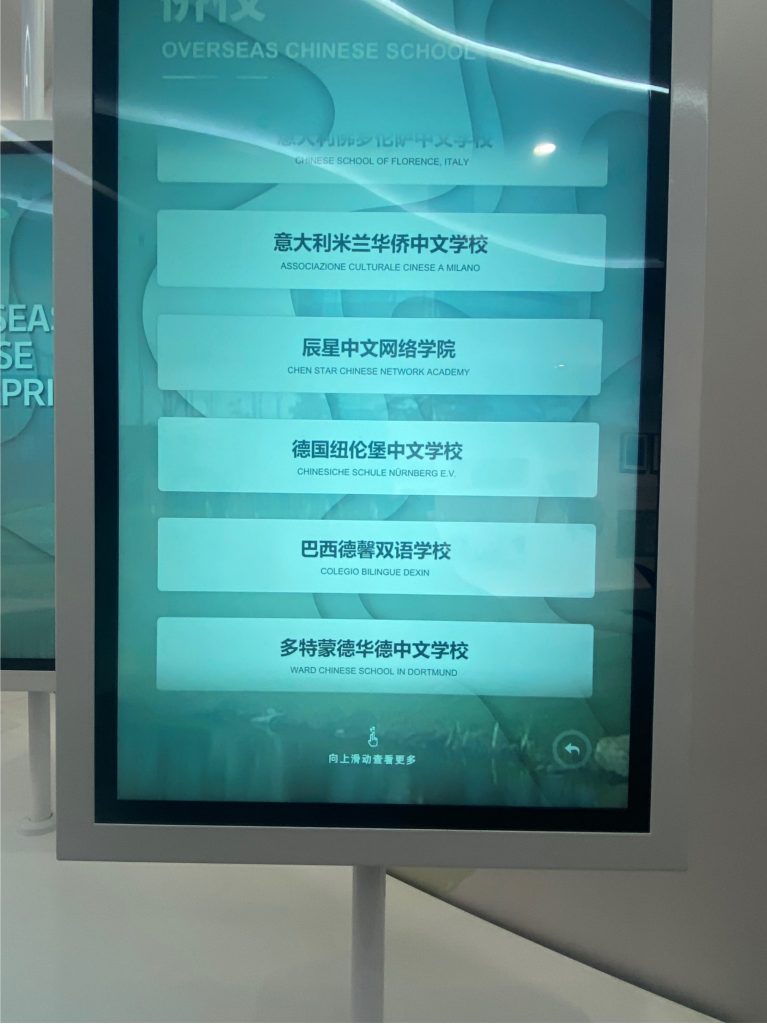
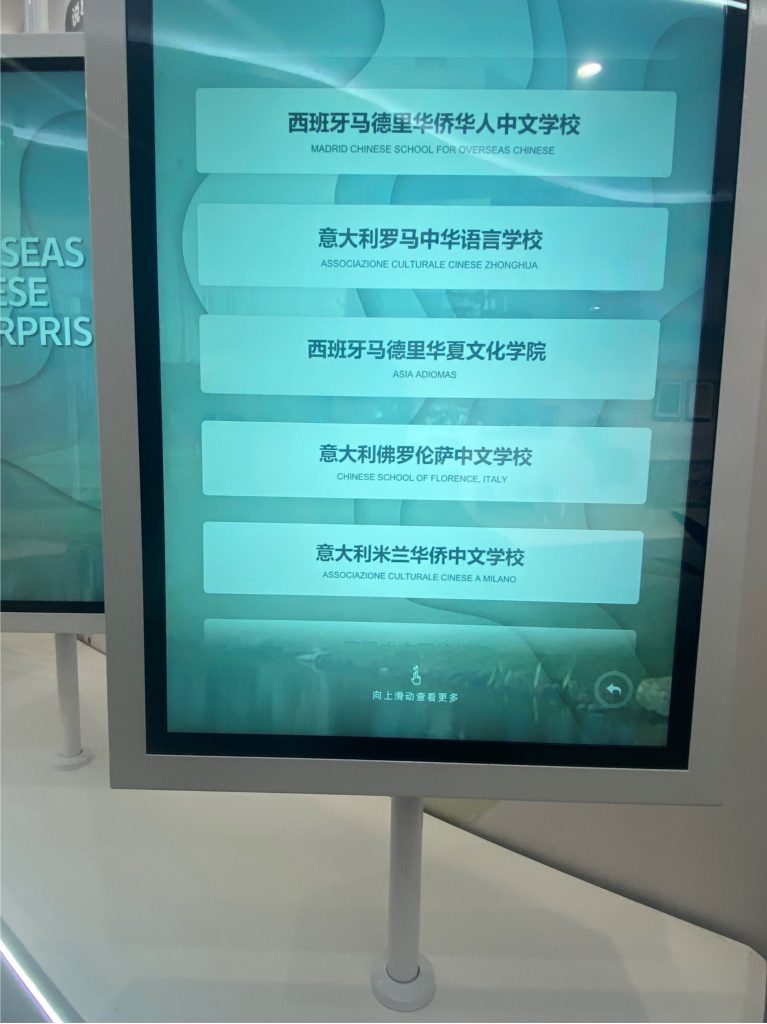
The “museum”-workshop dedicated to Chinese emigration within the University. Listed here are the overseas Chinese “schools” (which we briefly mentioned earlier) that maintain relations with the University.
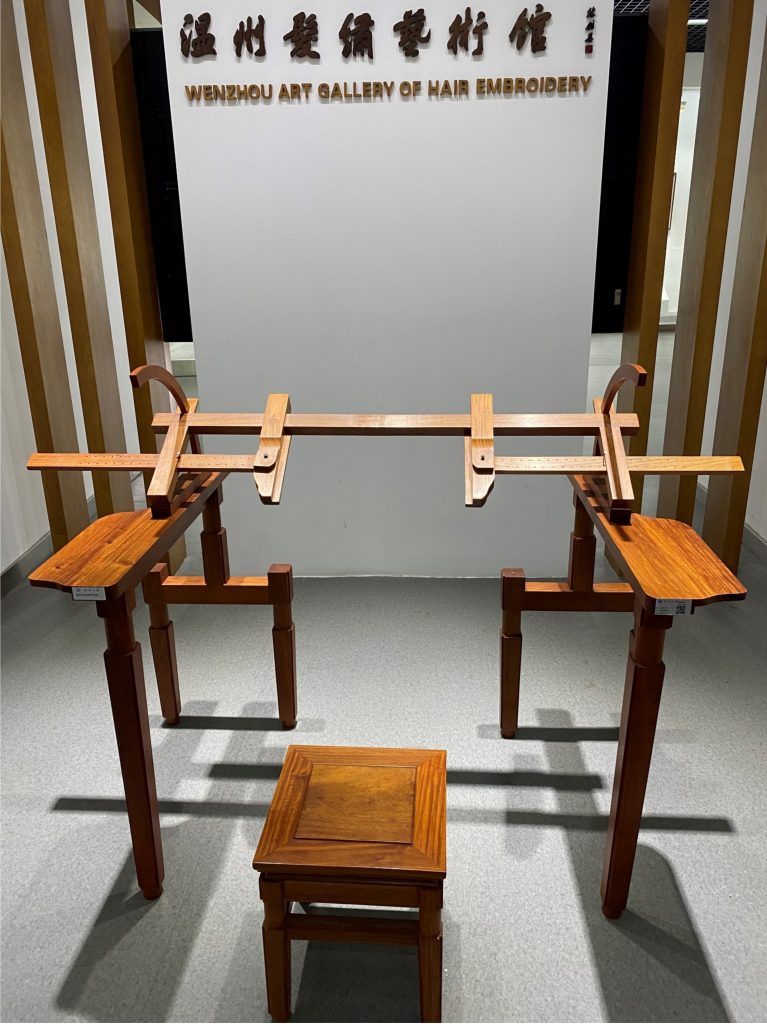
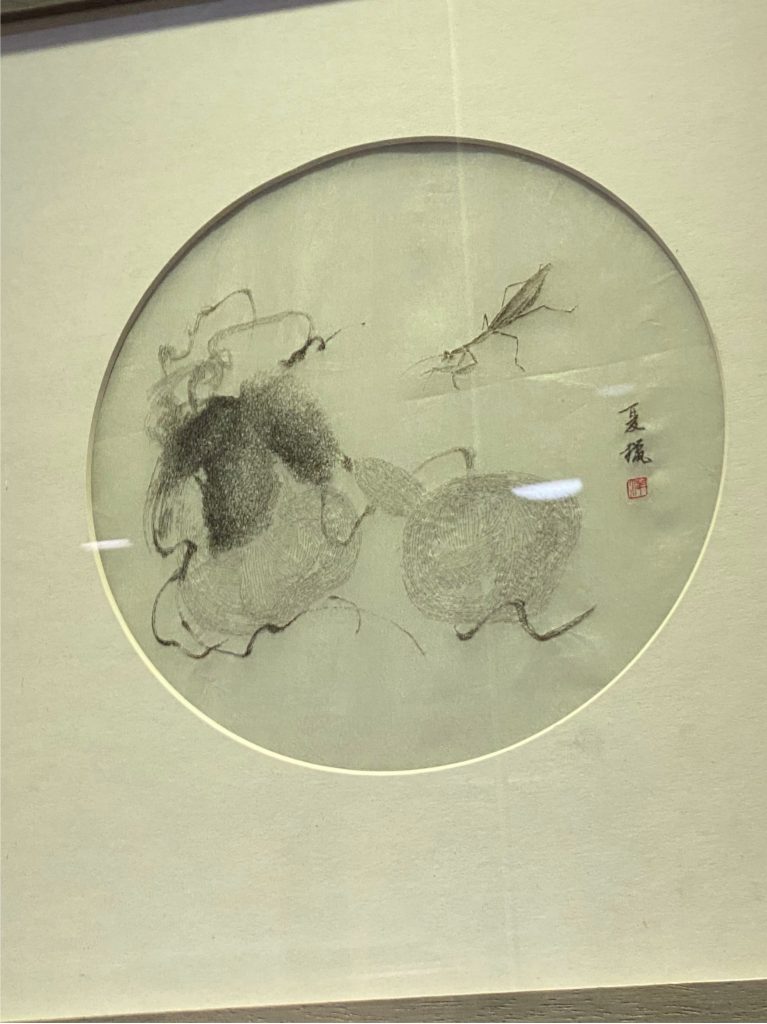
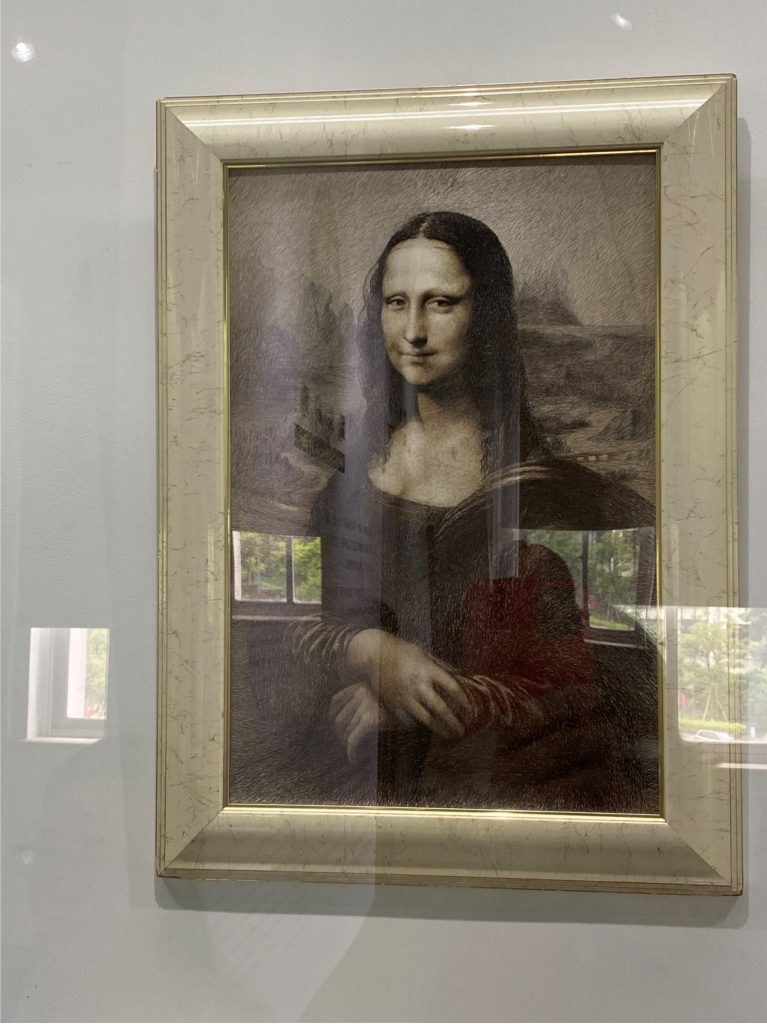
The area cultivates a curious tradition – embroidery using human hair. The photo shows a loom for stretching the fabric on which hair embroidery is done. In the following images, some examples of this work…
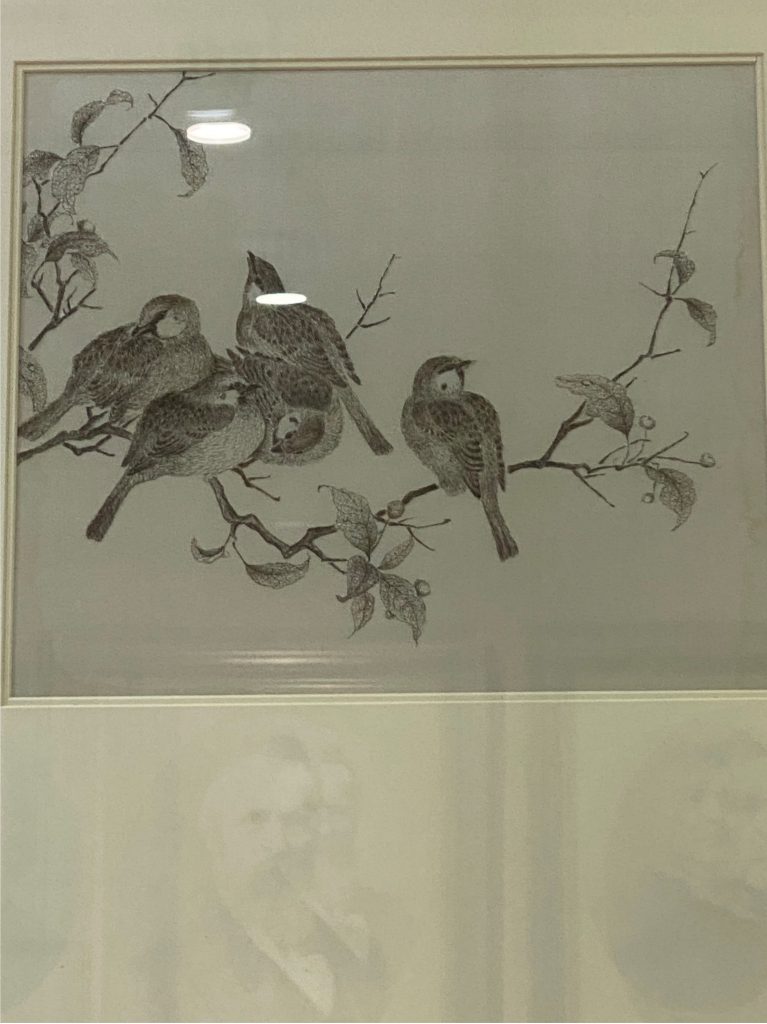
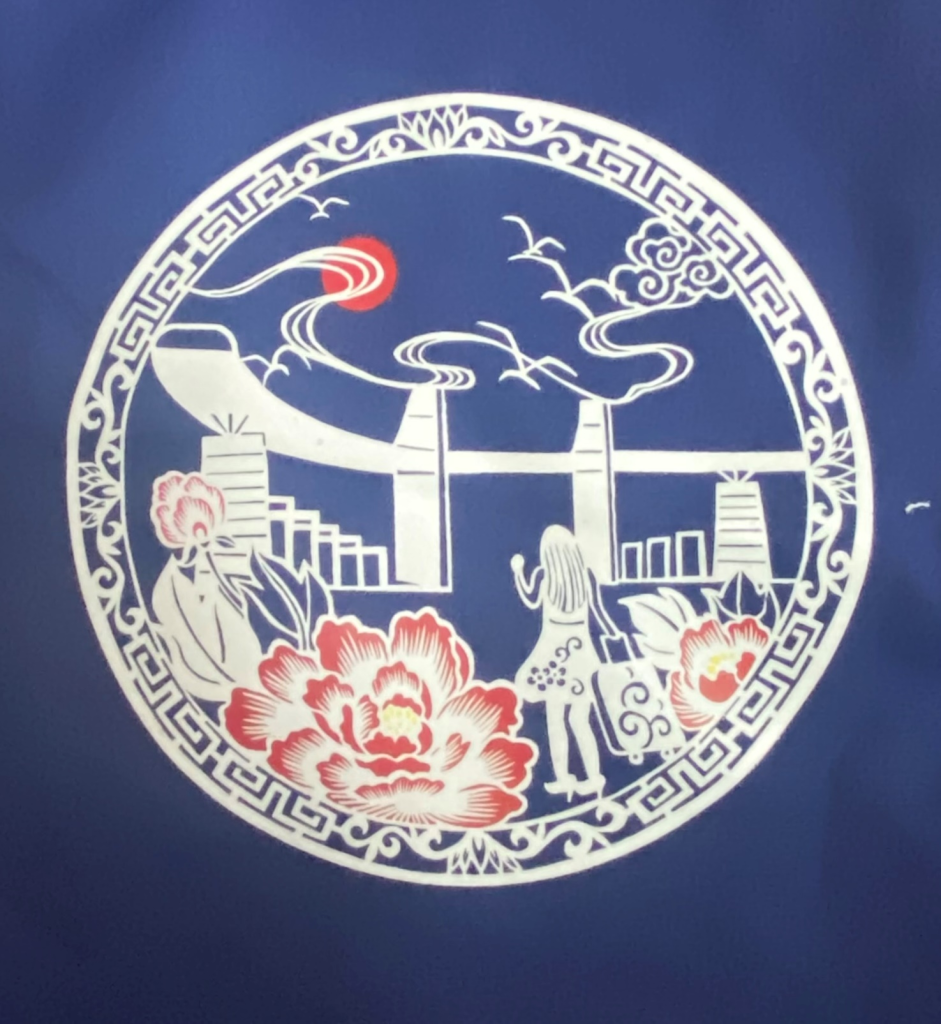
And we conclude full circle – where we began this articulated journey: this is a detail of the printed design on Wenzhou University’s tote bag.