30 May, 2025
The enhancement of the local history (Part Two)
The enhancement of migratory experience: museums and the rediscovery of local culture’s contribution to “high” culture
In many places, there are also “museums” of varying sizes, sometimes even private ones, dedicated to the theme of emigration and often supported by local and provincial authorities. The largest is located in Qingtian (青田); there now exist many studies on emigration from Qingtian, particularly a “History of Qingtian’s Overseas Chinese” (青田华侨史); Wenzhou University specializes in the study of migration phenomena, in addition to organizing many initiatives, including online Chinese language instruction for immigrants’ children, offering them study and stay opportunities, including summer camps, and maintaining strong ties with “heritage schools” – institutions abroad for preserving the native language, more or less formally established and often called “associations” rather than “schools.” They obviously do not replace the compulsory education required in the countries of emigration.
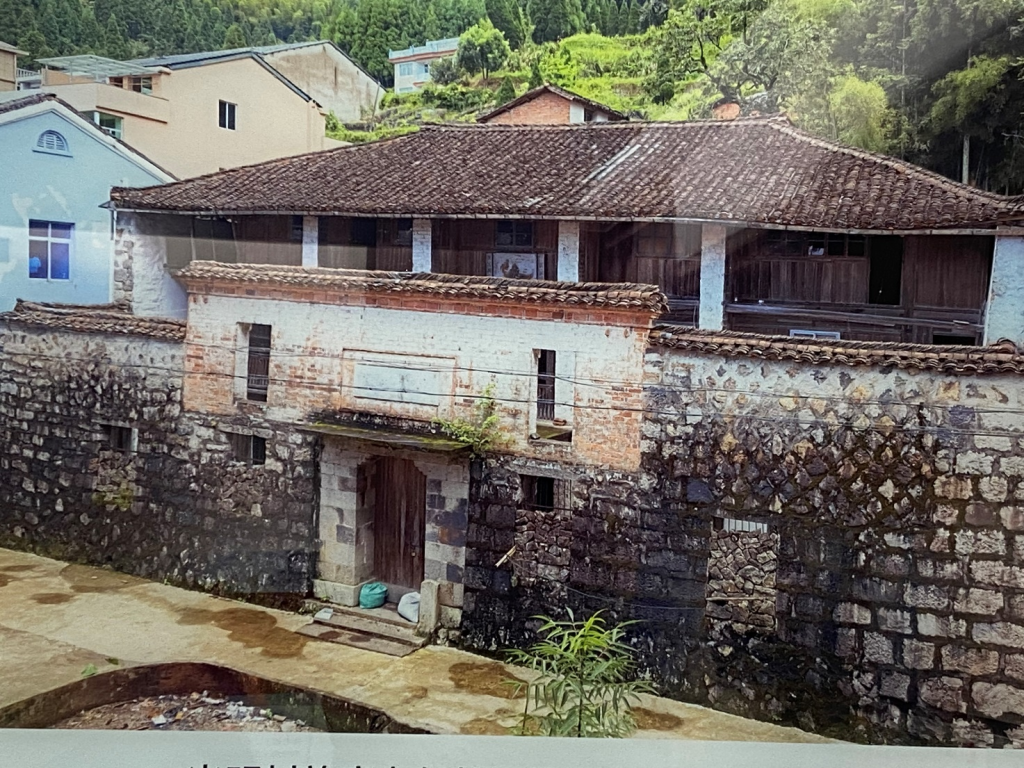
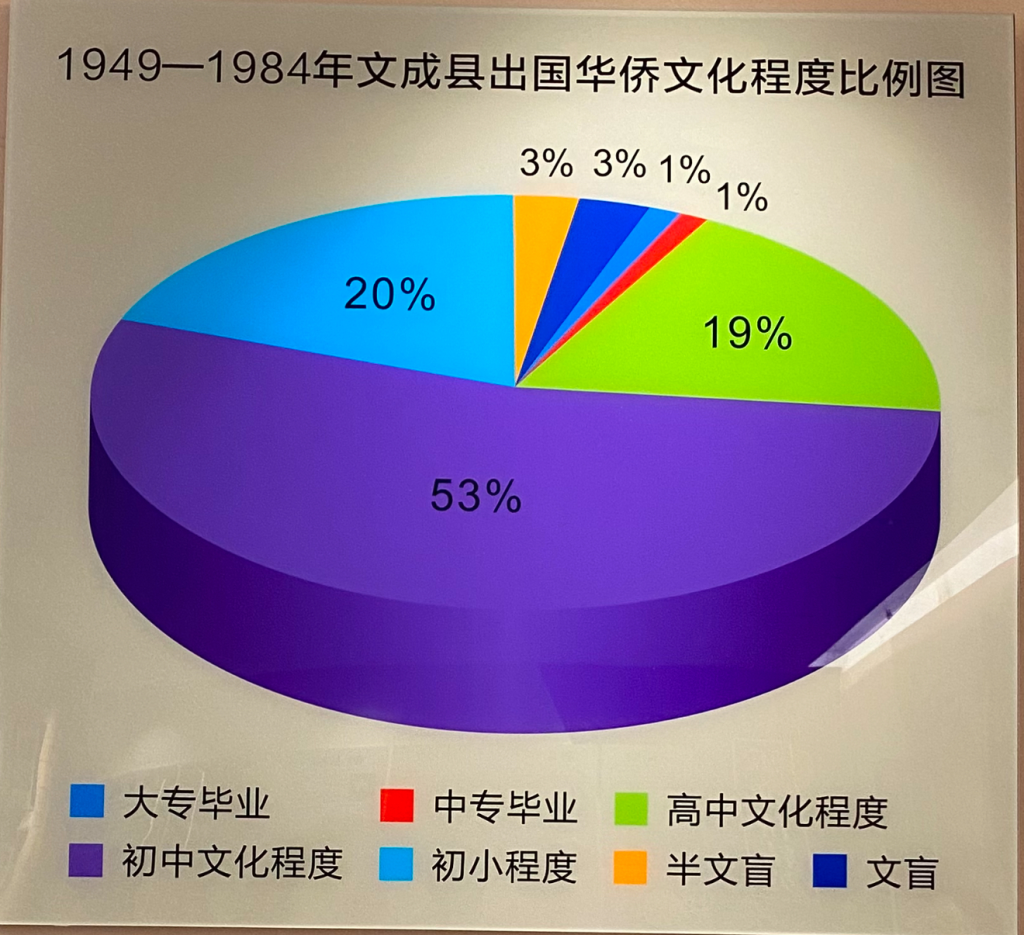
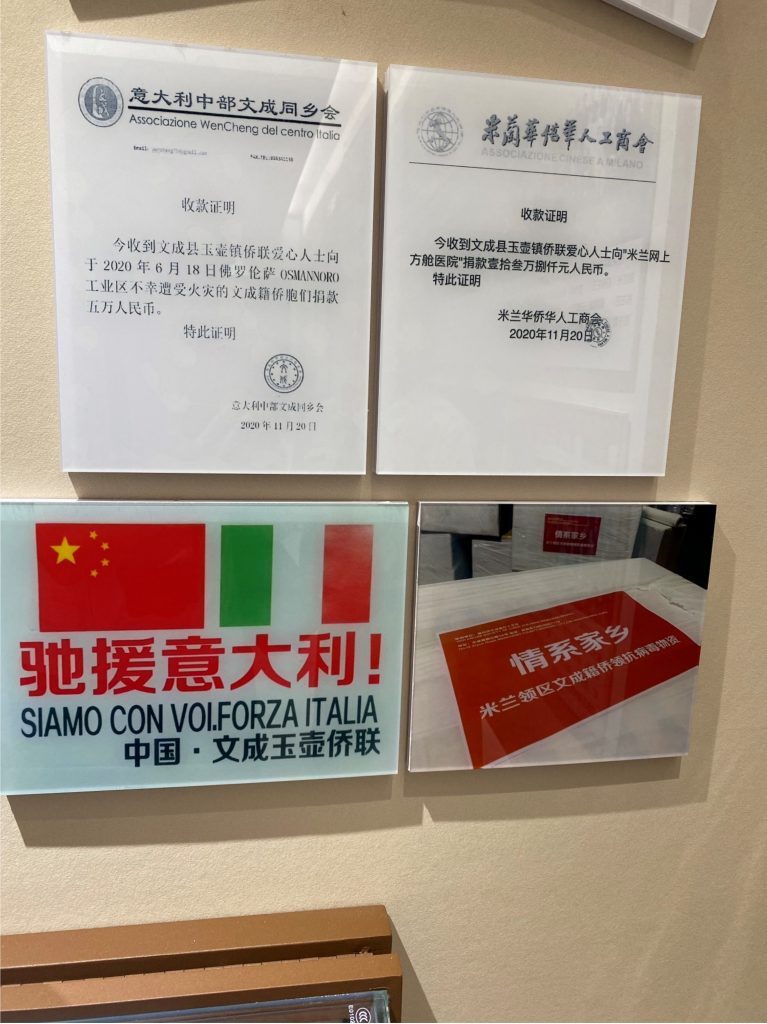
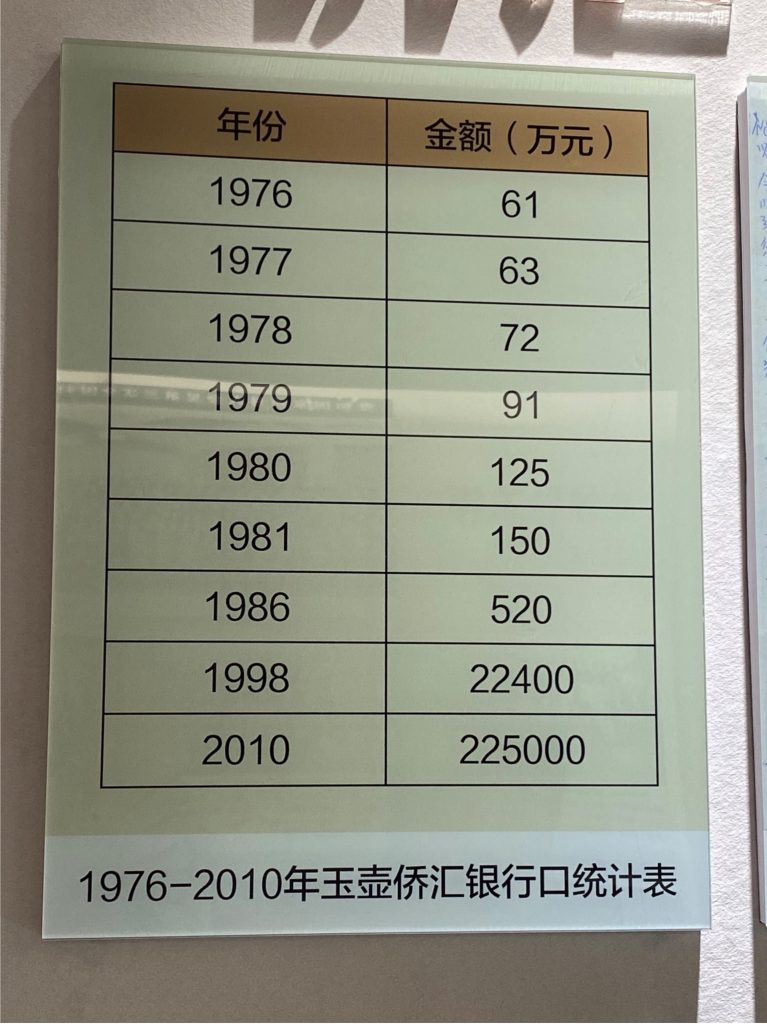
The contribution of emigrants to the local economy is also evident in the development of certain cities, particularly Qingtian. As we’ve seen in Yuhu, one emigrant funded the construction of a bridge in memory of his father. In Qingtian, overseas remittances have been used not only for the restoration of the city’s ancient walls but have also spurred significant urban development. Below are some images…
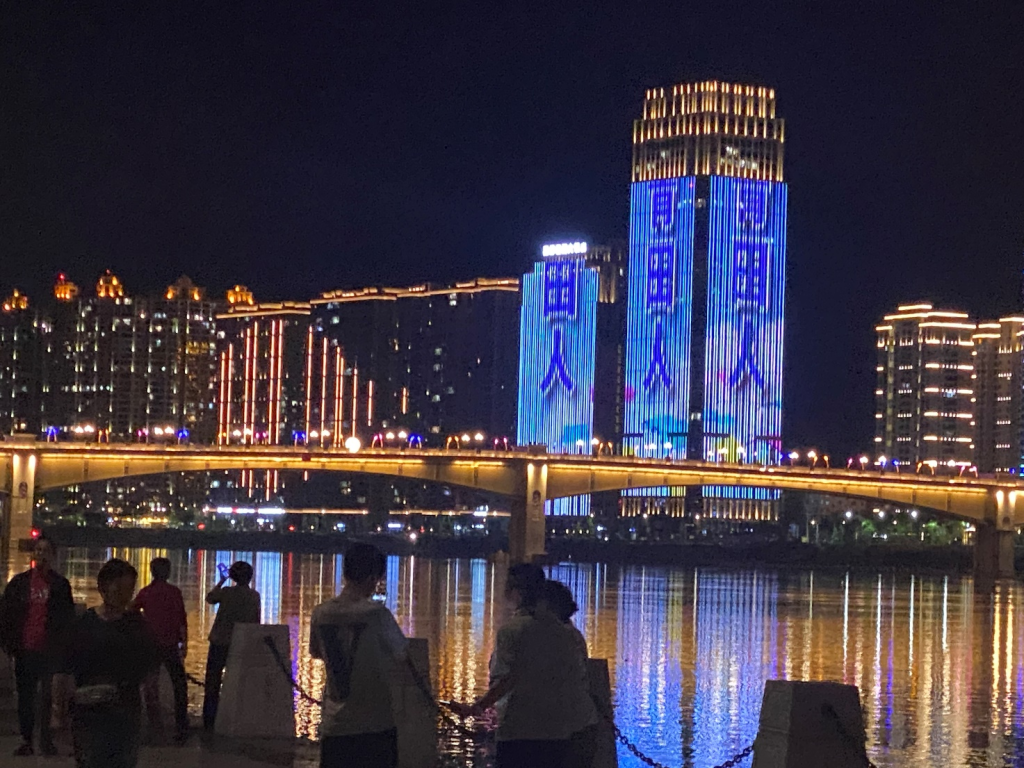
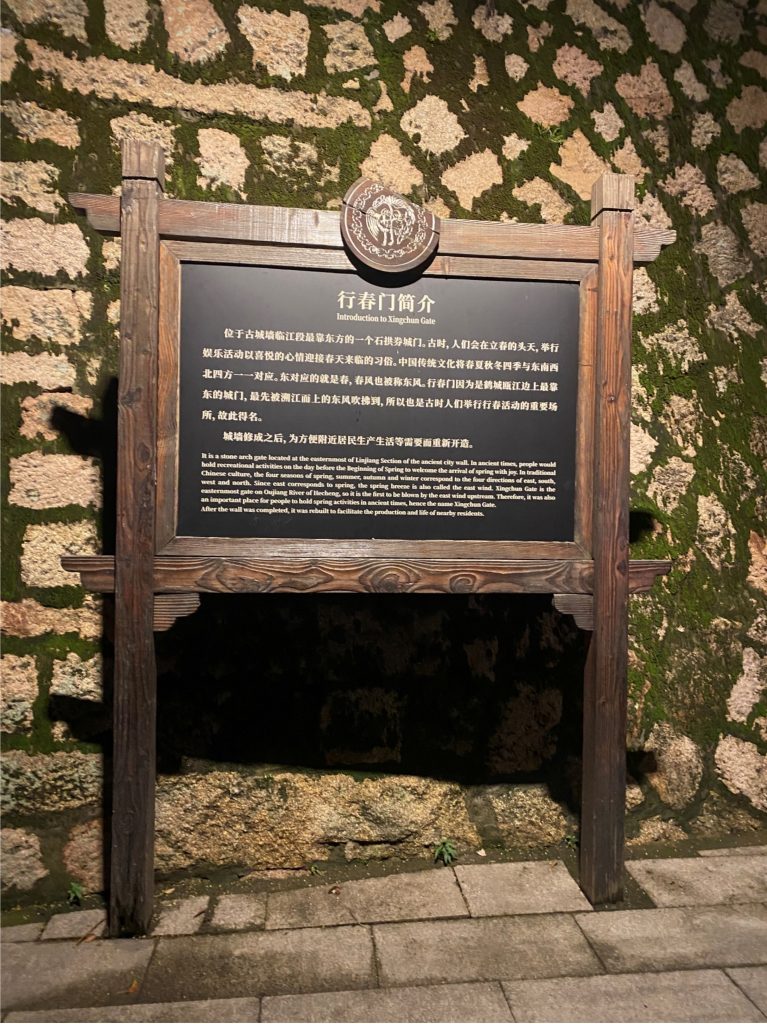
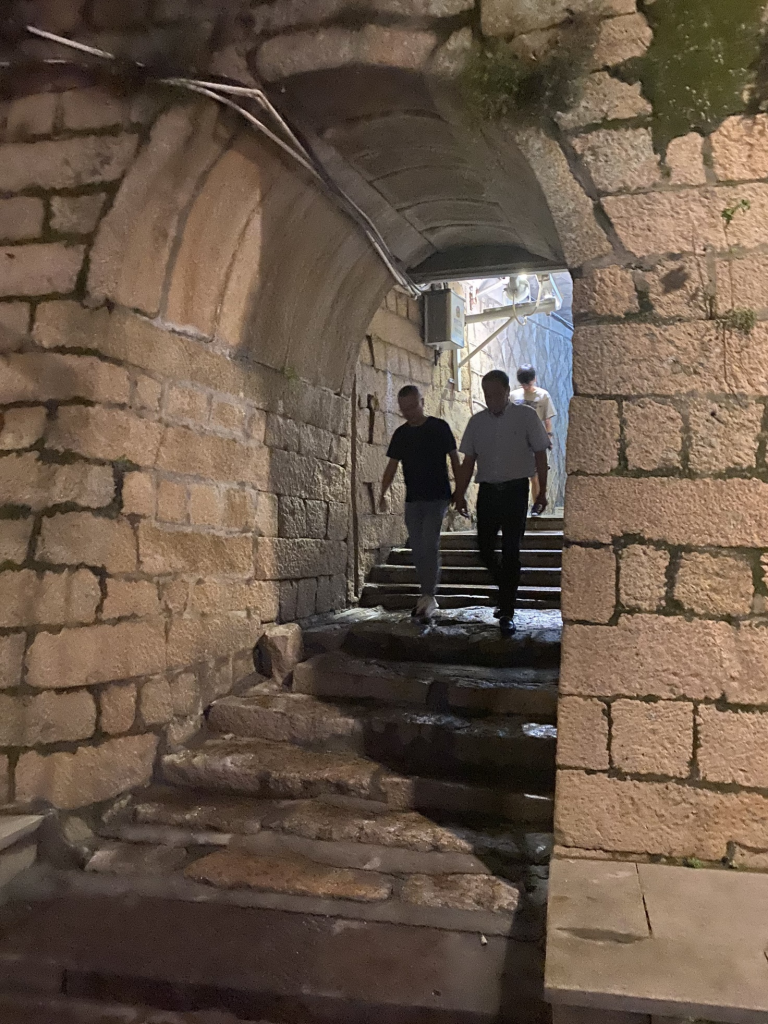
Image of the old city walls of Qingtian.
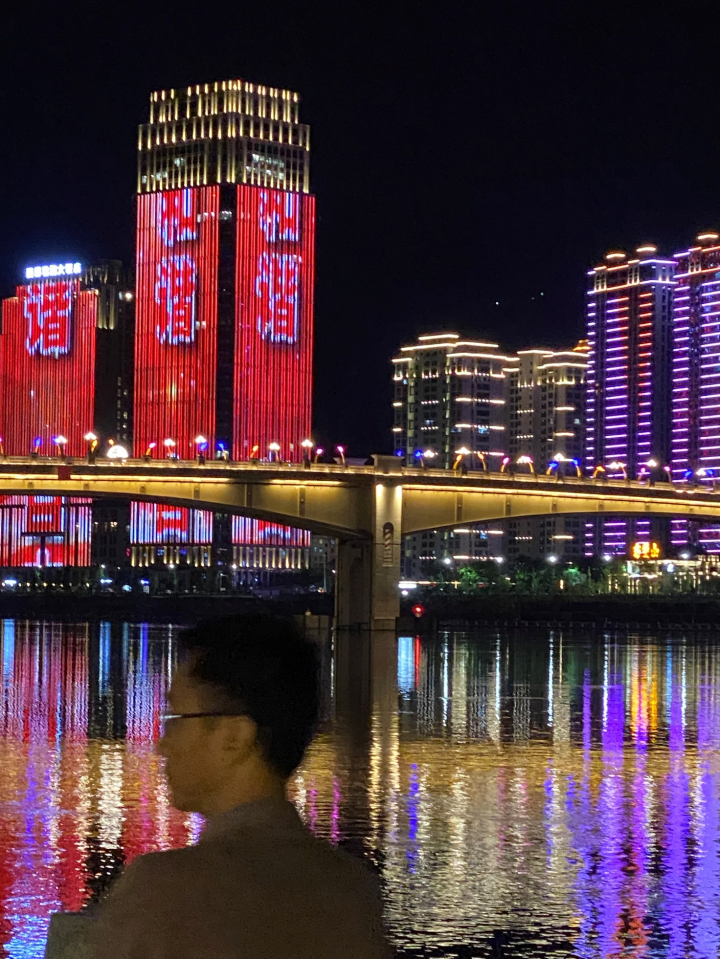
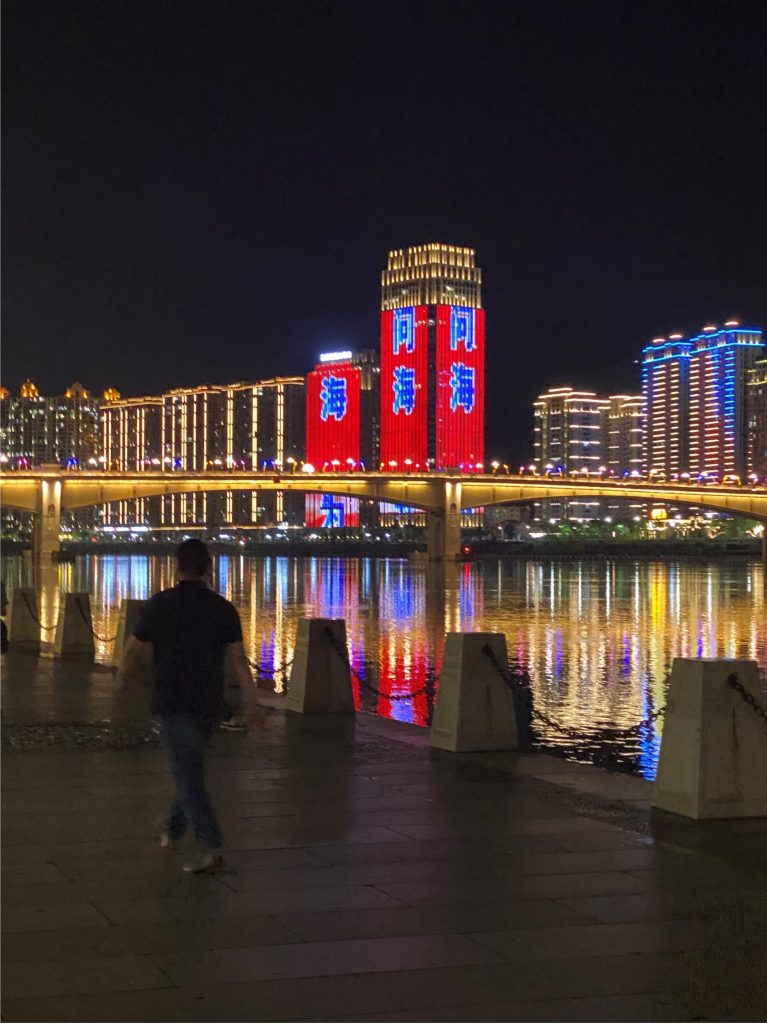
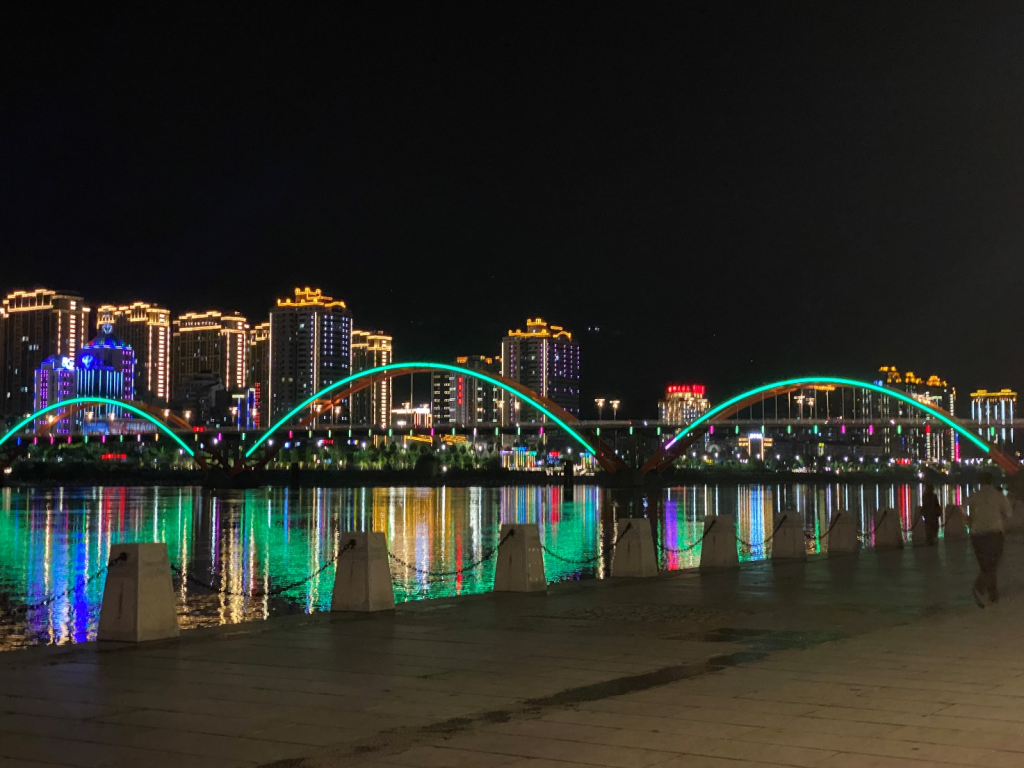
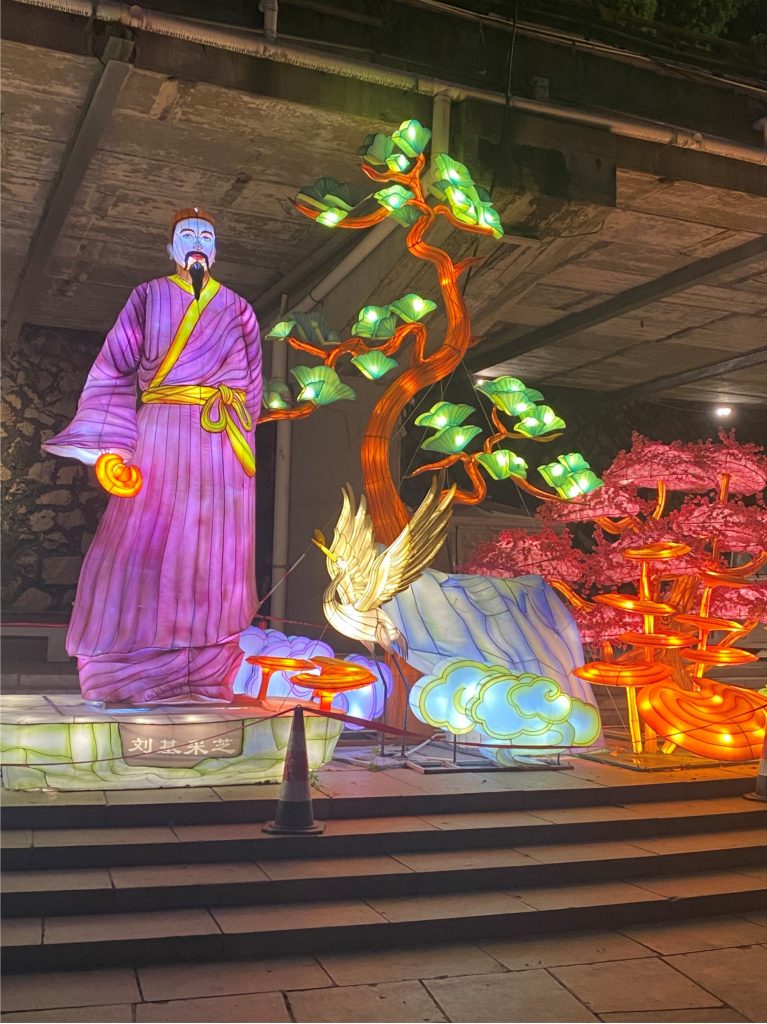
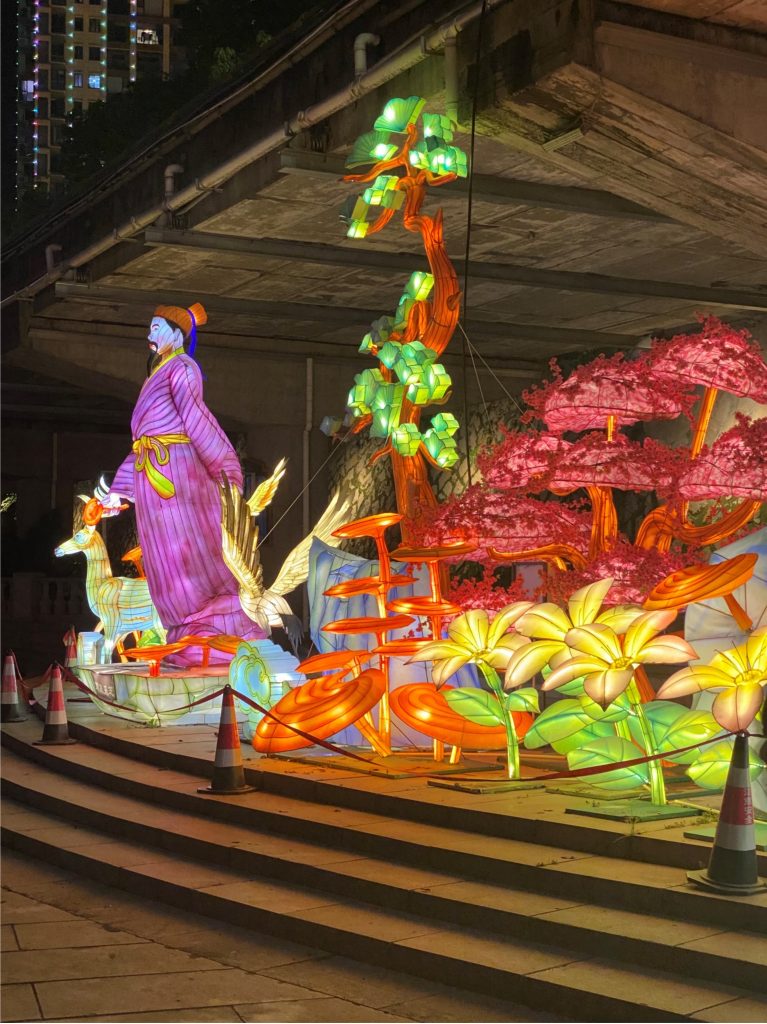
The enhancement of the territory also involves the restoration and “touristification” of traditional cultural elements, including the rediscovery of illustrious historical figures native to the area. While this phenomenon carries the risk of cultural “Disneyfication,” it undoubtedly boosts tourism. In this region, however, such development is still in its early stages.
Here, a light installation unveiled for the 2024 New Year celebrations honors the legacy of Liu Ji 刘基 (1311–1375), publicly known by his courtesy name Bowen 伯温 and also called Liu Qingtian after his homeland. A pivotal figure in restoring Han Chinese rule during the Ming dynasty after the Mongol interregnum, Liu was also a gifted scholar who championed poetry’s essential role in education. He advocated for a return to austere, unadorned verse—free from ornamental excess that masked shallow substance. His former residence has been identified near Wuyang, where, as we’ve seen, an agritourism complex is now taking shape.
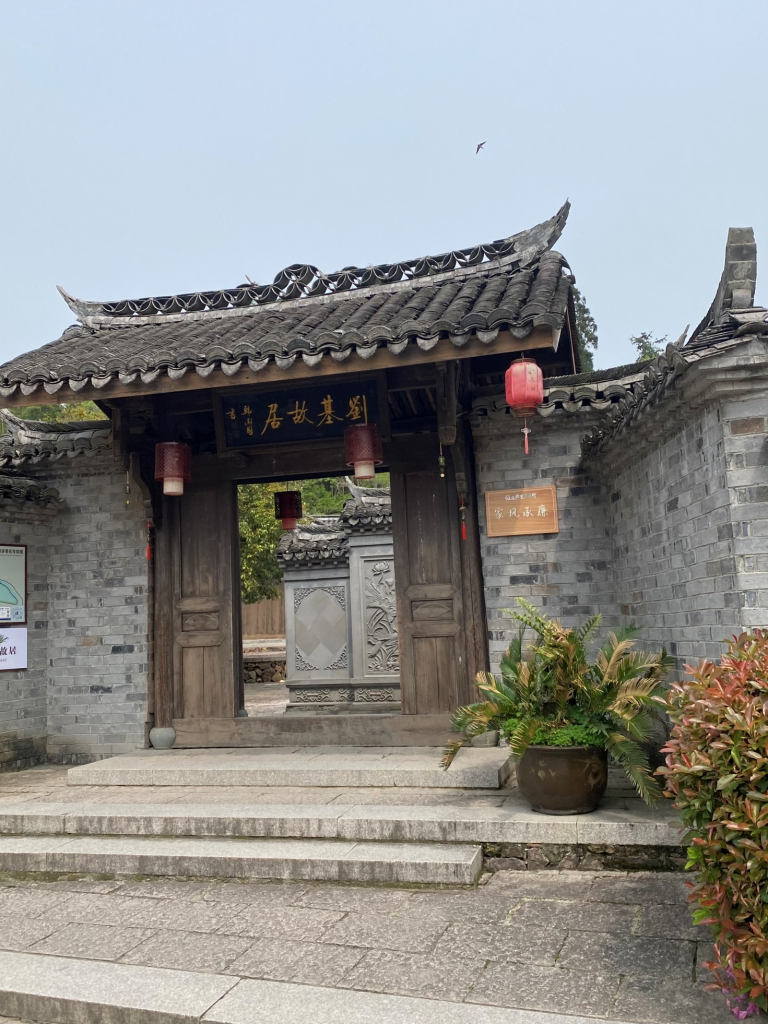
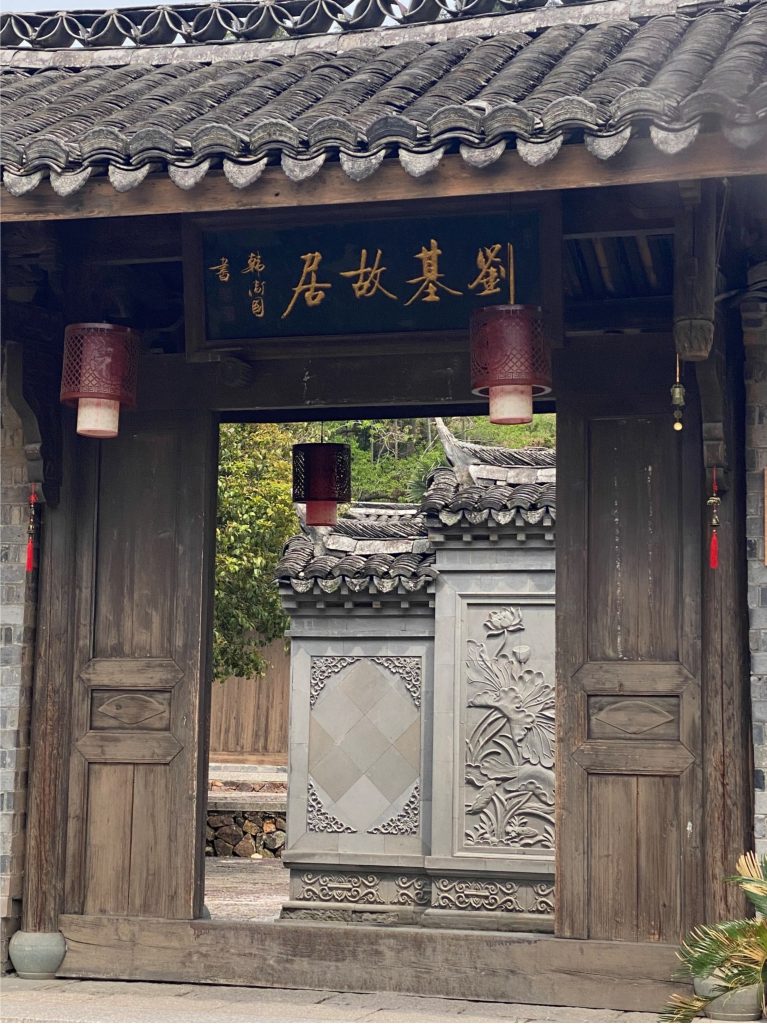
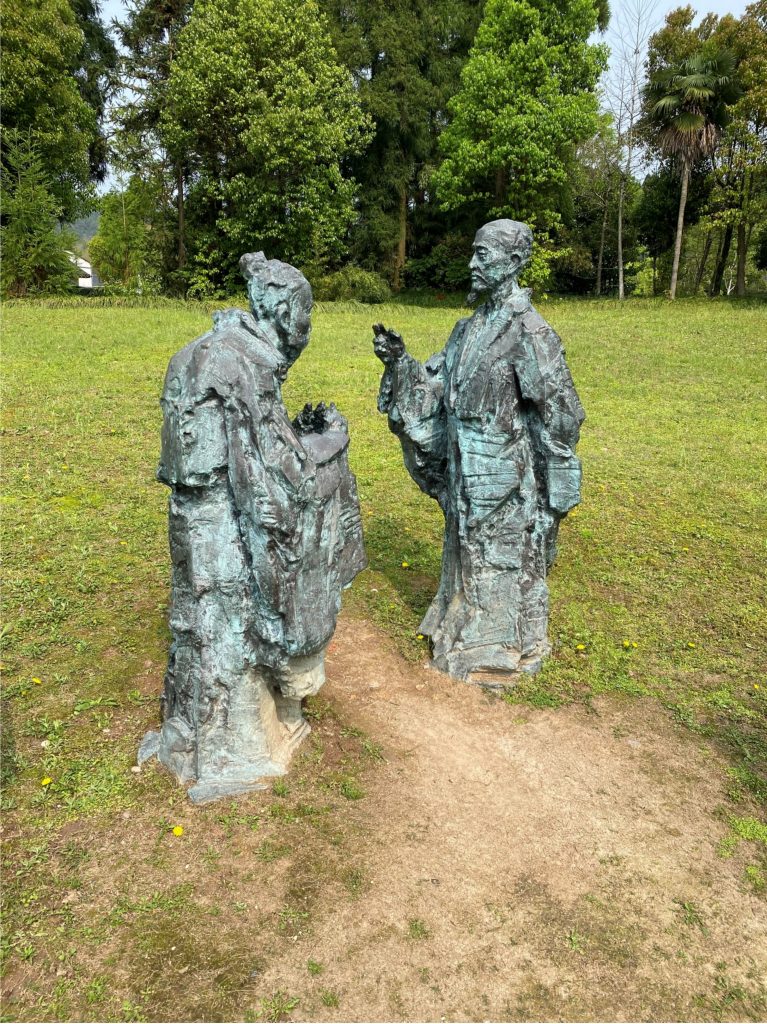
PEOPLE EMIGRATE ABOVE ALL… OUT OF NEED
The Qingtian area was famous throughout the country for a precious and renowned stone, whose quarries have now been exhausted, and where the local population combined agricultural work with quarrying and stone carving.
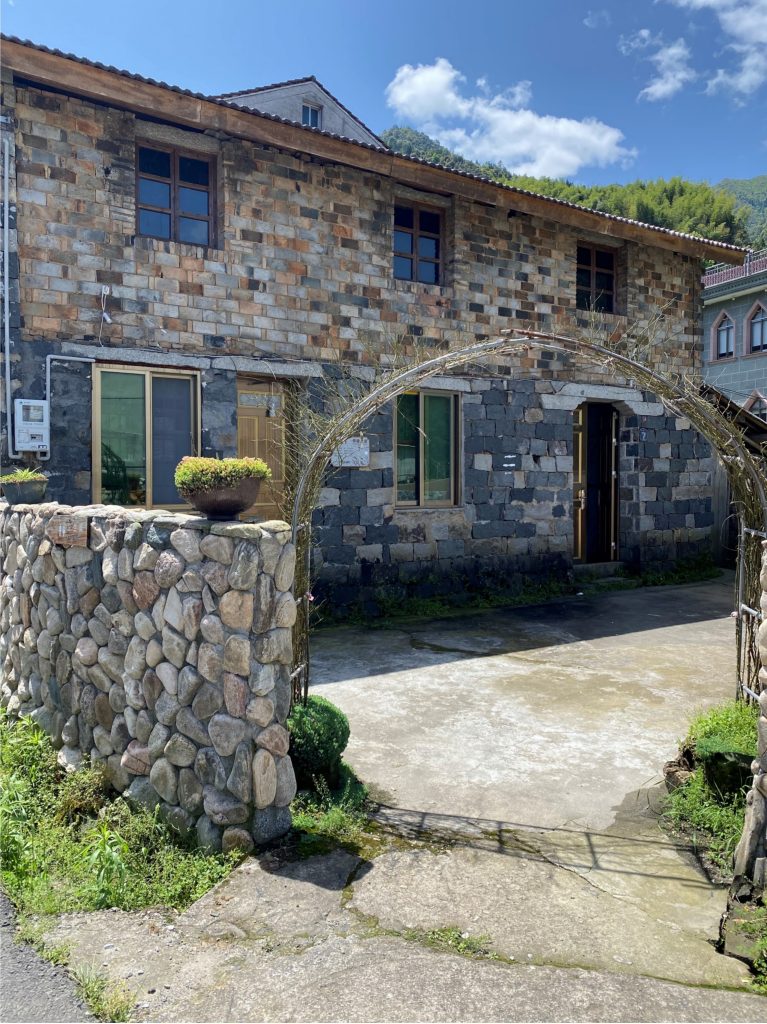
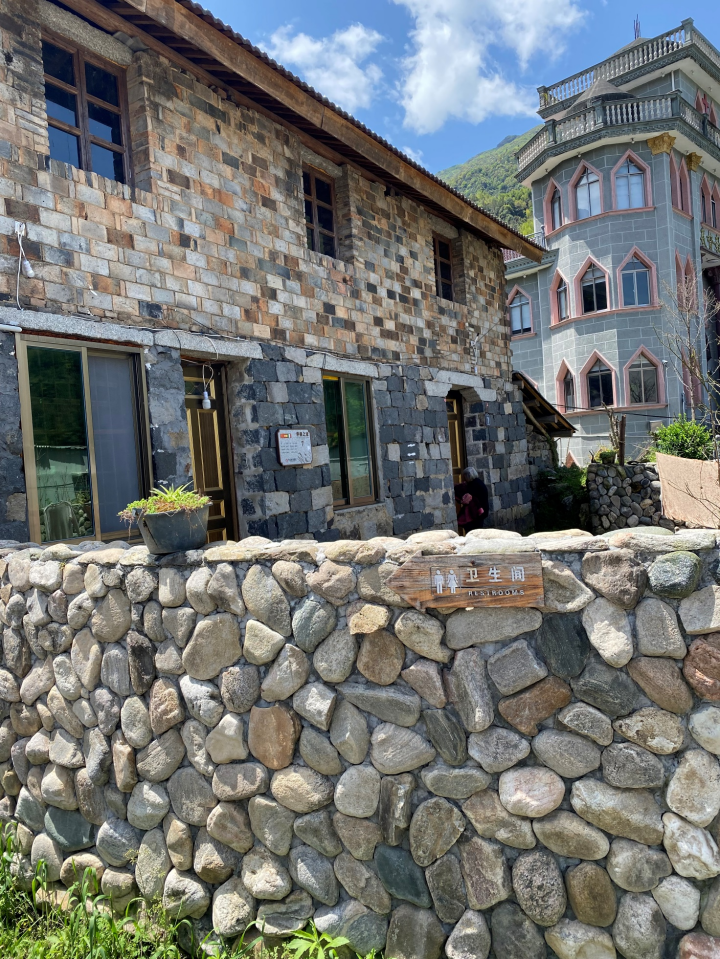
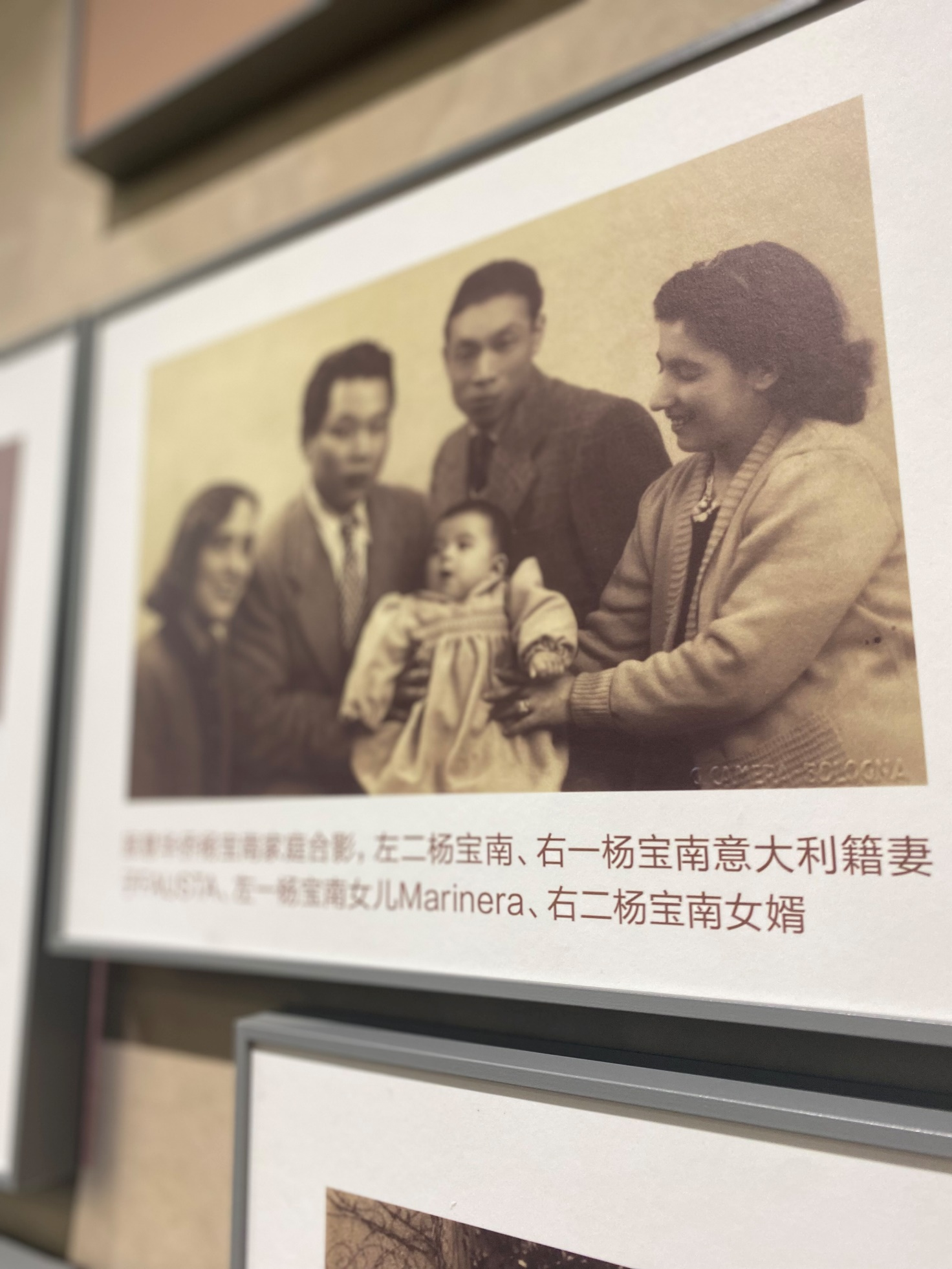
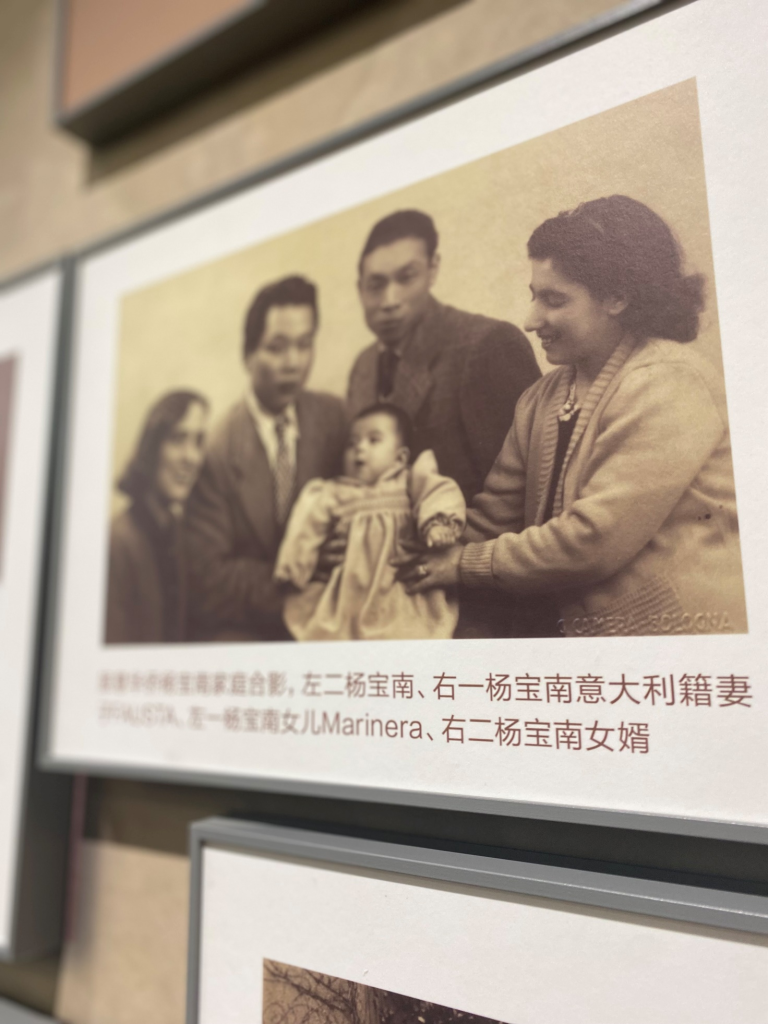
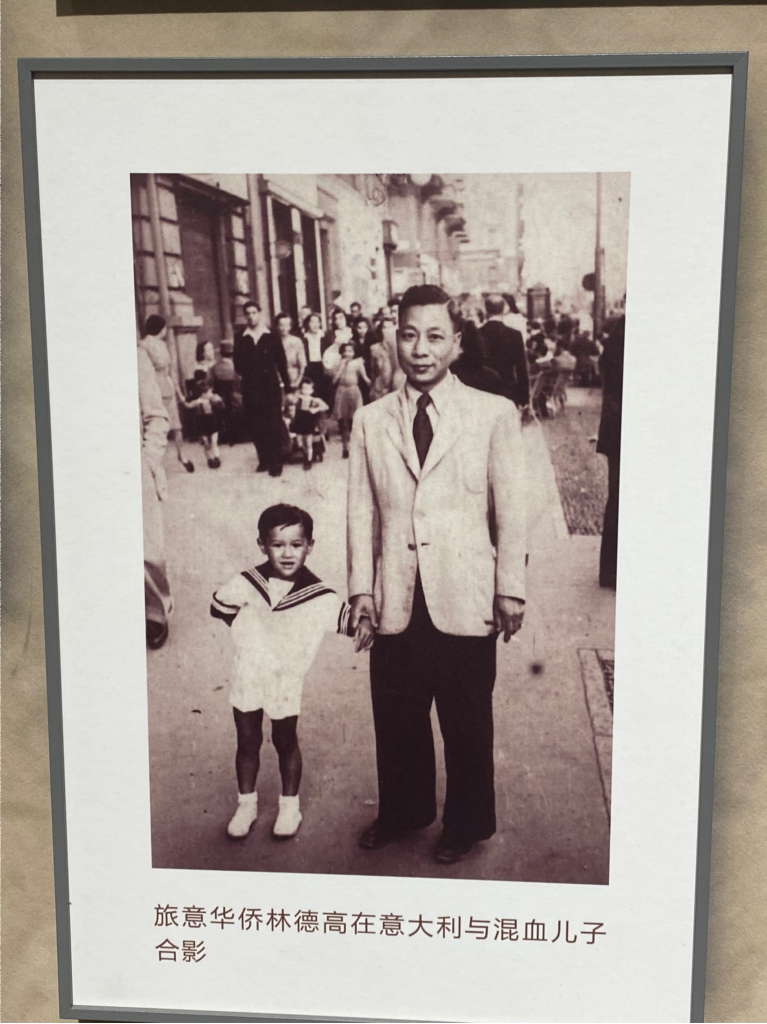
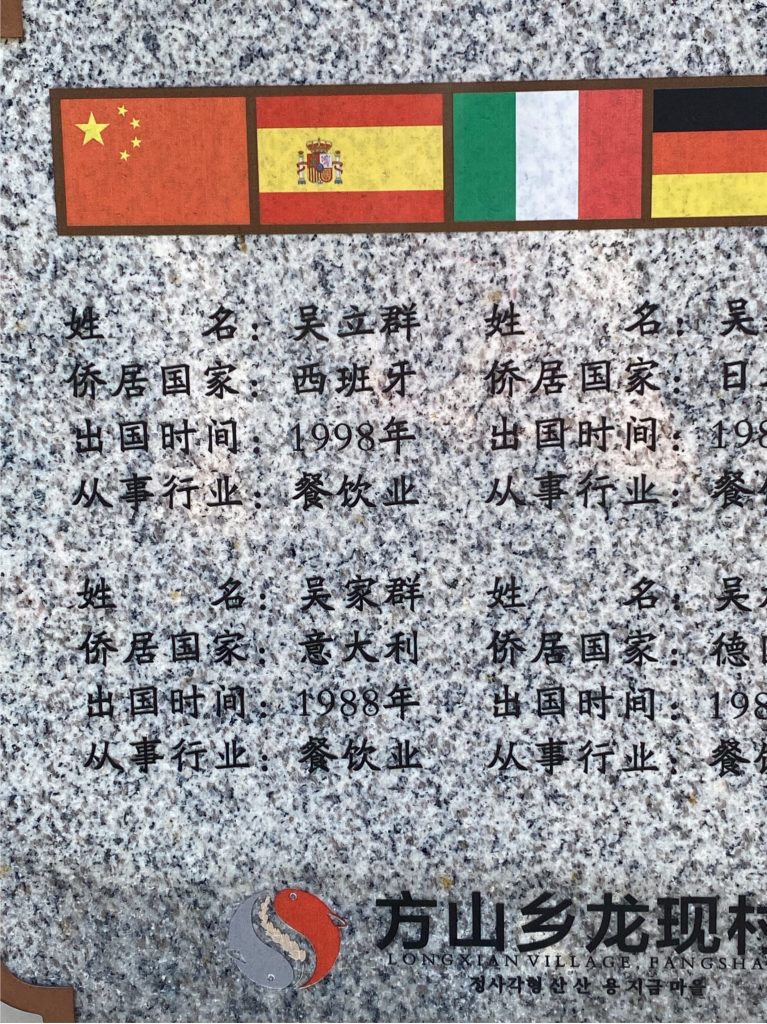
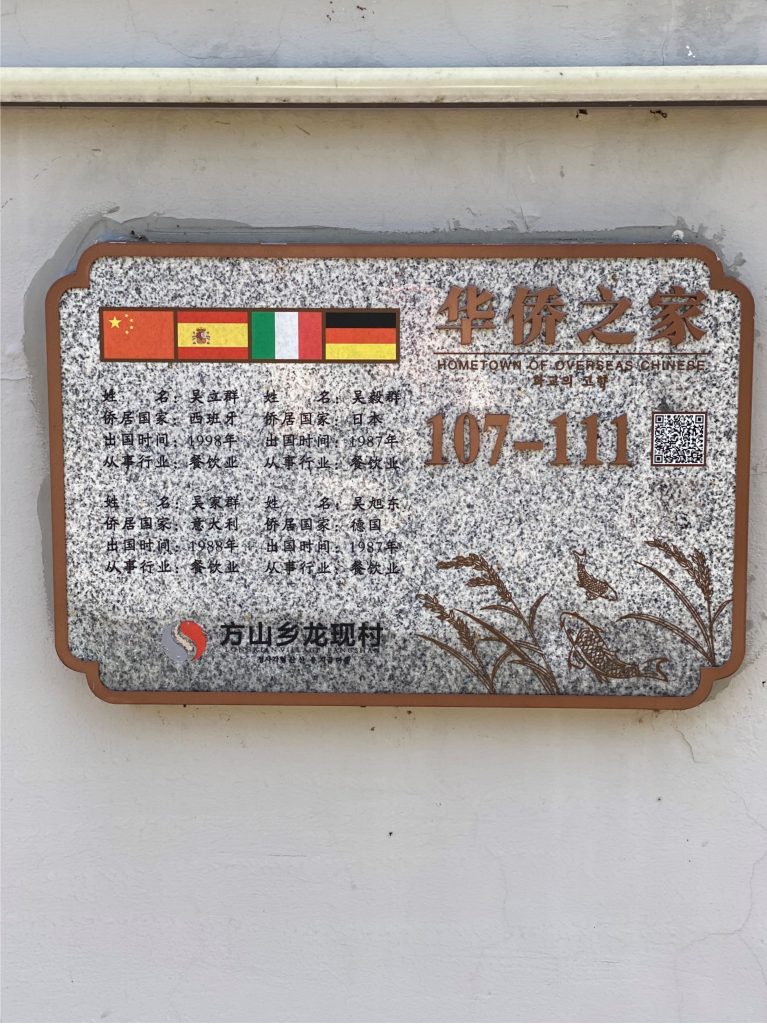
It was hard work with very limited earnings. The poverty is evidenced by reproductions of some photos taken at the small Longxian Village Museum in Fangshan County (龙现,方山县), ranging from images of daily life to those of dwellings, some of which have now been repurposed for tourism. Indeed, even this small village is trying to reinvent itself as a place of historical memory for emigrants. In this now virtually empty village, we find distilled the profound essence of nearly all migration paths: the flight from poverty, the hope for a better life, the nostalgia. Today there are some “Western-style” houses built by emigrants who made some fortune and wanted to build homes in their native place, planning to return in old age to their homeland. These houses, however, are mostly empty. Local people say the owners don’t want to sell or rent them, precisely because – especially among the first generations of emigrants – the dream of return persists. Here, on many of the now-restored houses, plaques have been placed highlighting the families’ migration journeys. These are among the photographs you’ll find below:
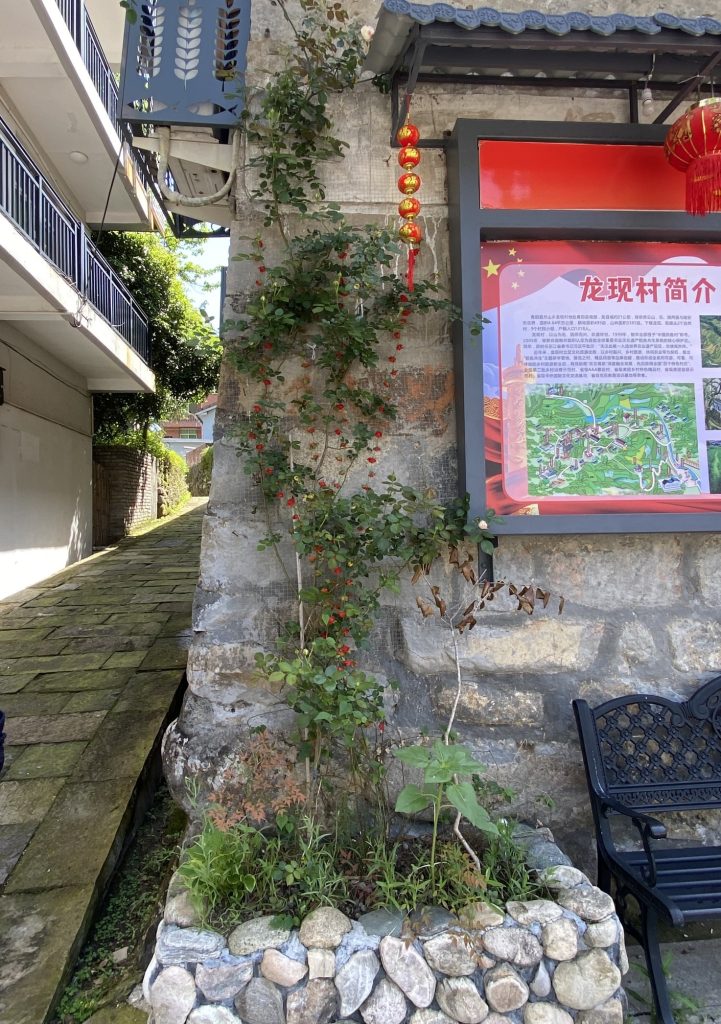
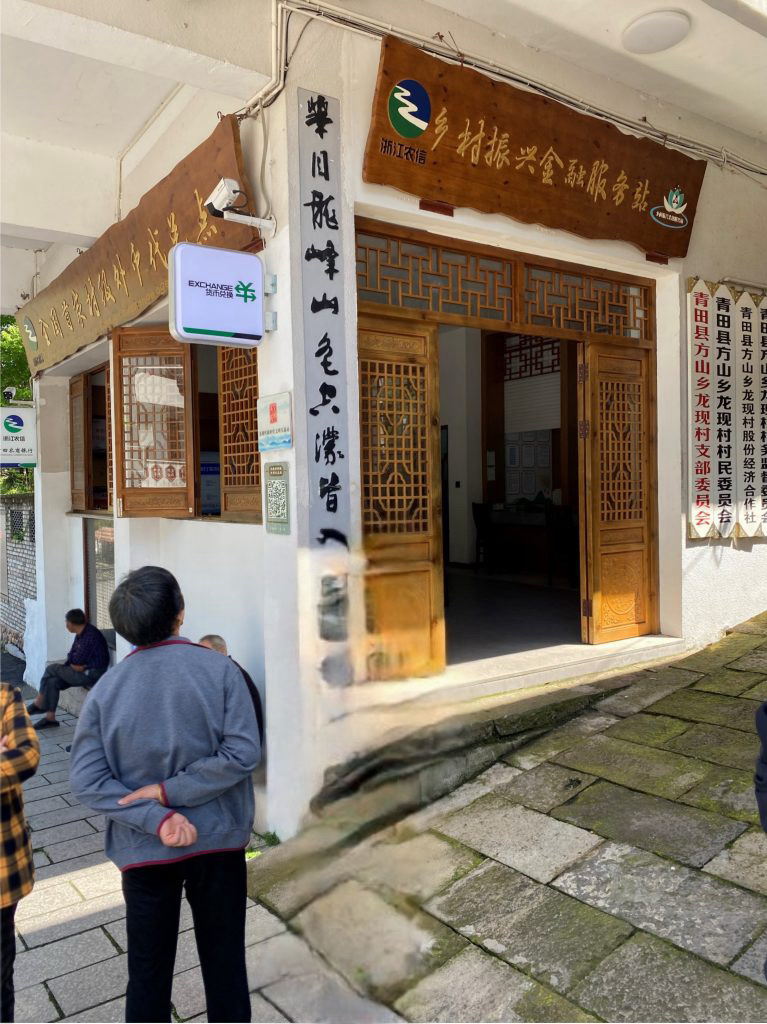
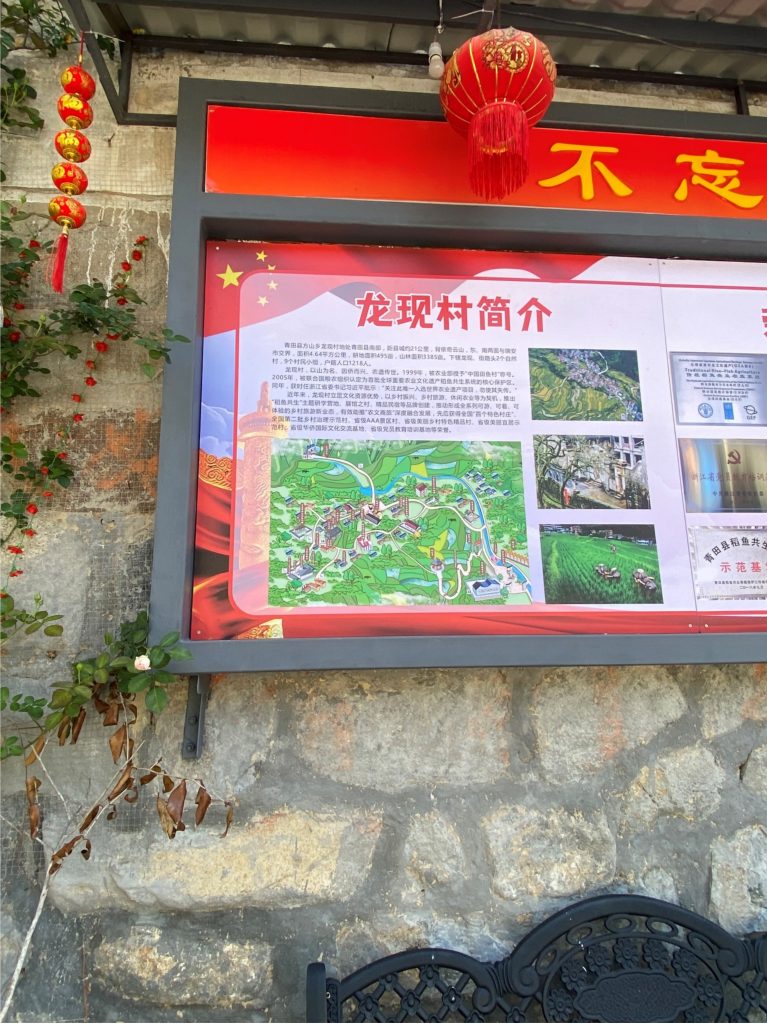
The families spread around the world and the plaques on the houses:
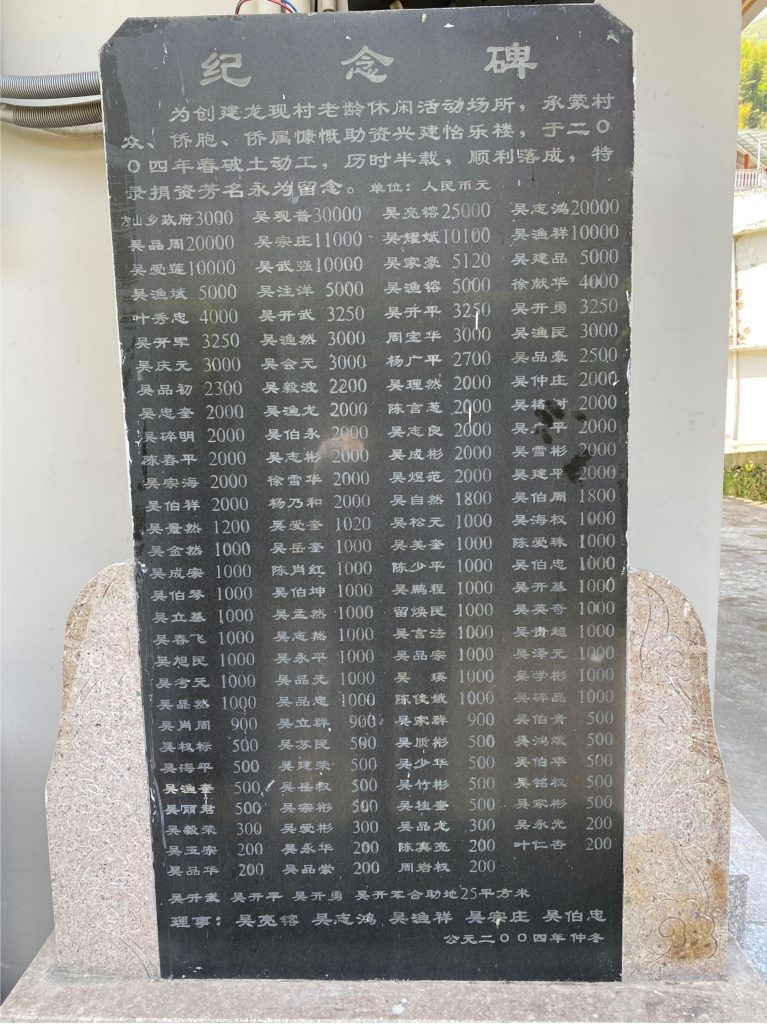
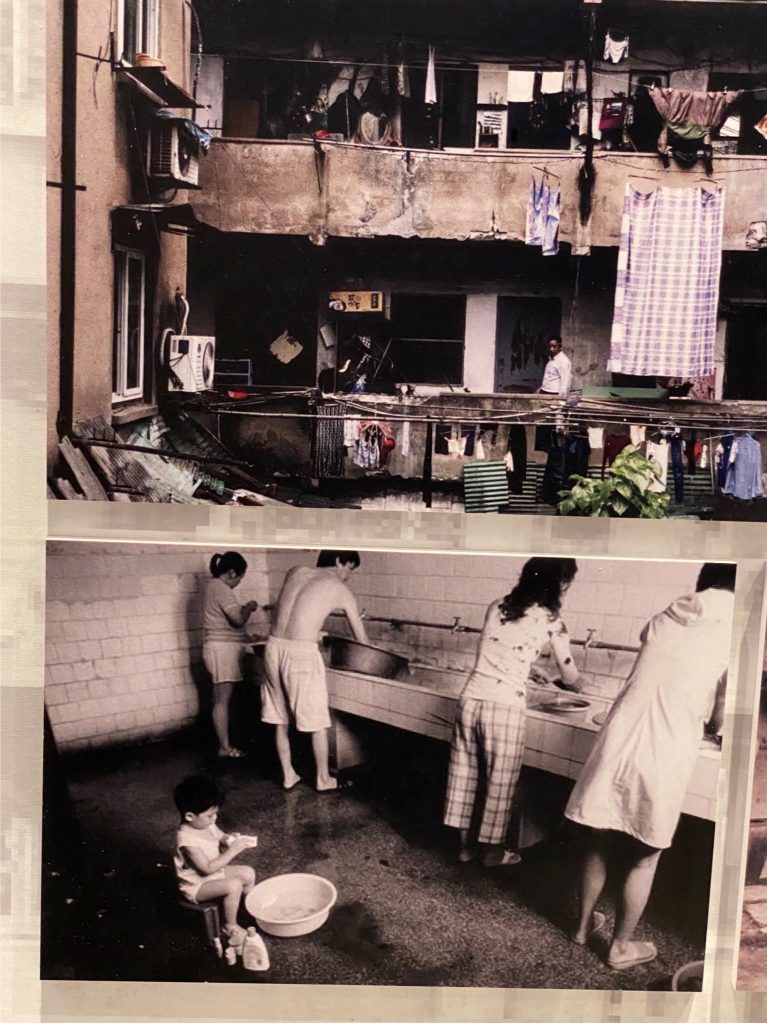
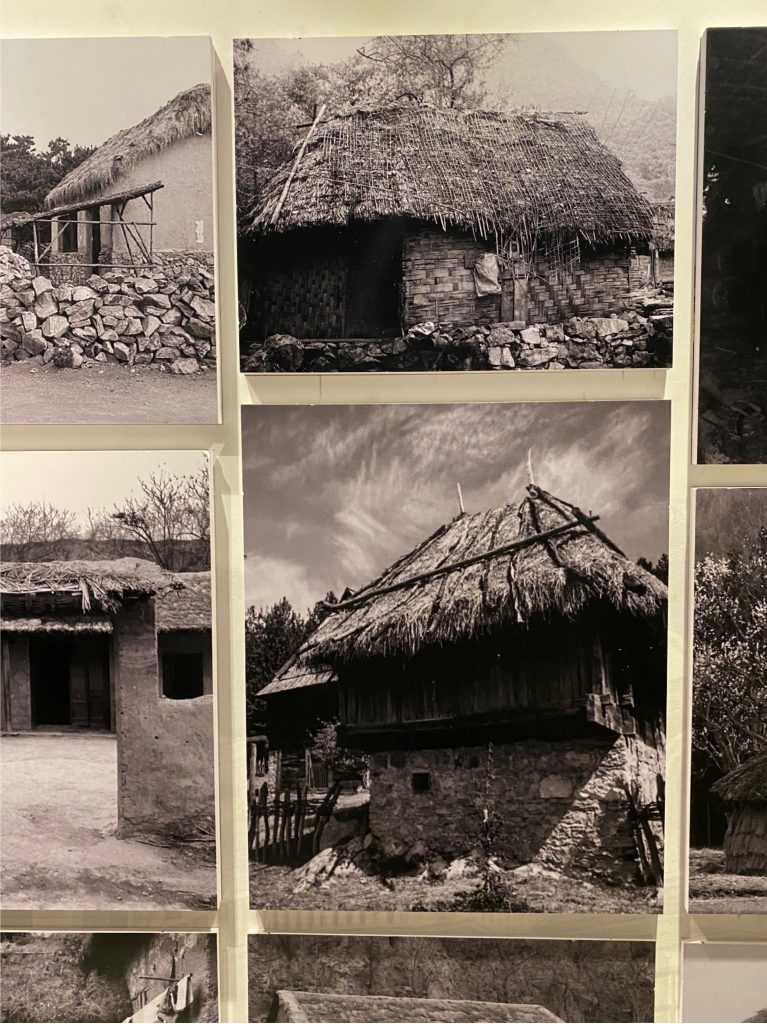
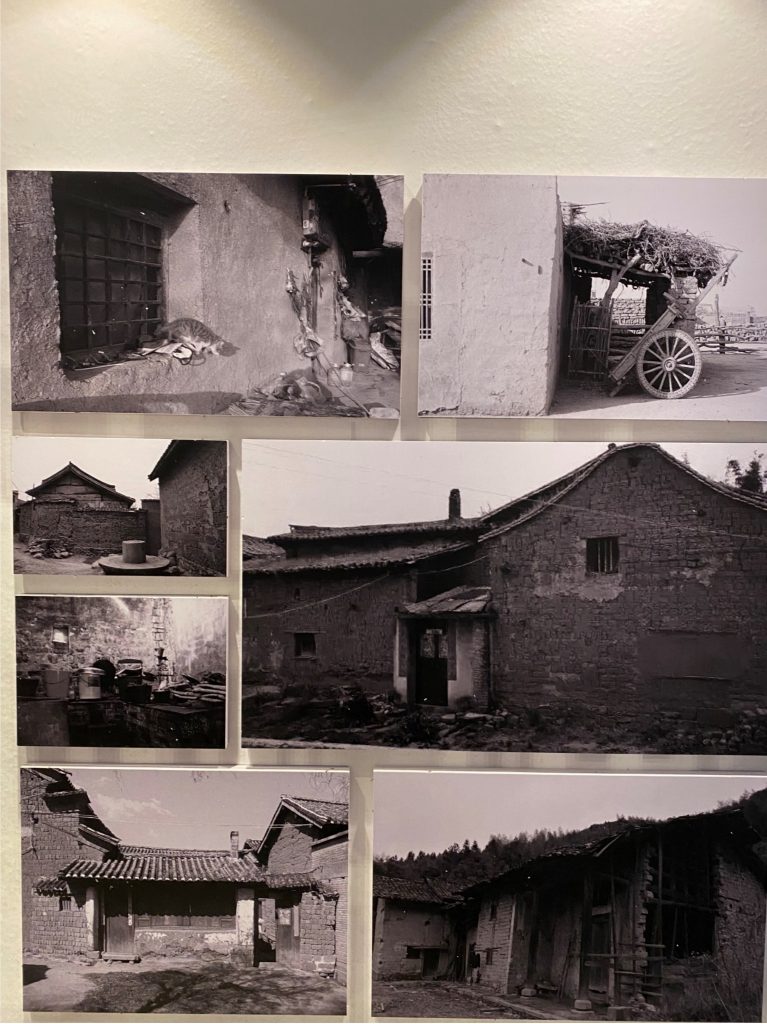
Peasant life in the 1970s, from kitchens and washbasins for hygiene to children’s toys, decorative objects, and posters that decorated the walls (here, the poster is from the Cultural Revolution period 1966-1976 and refers to the voluntary migration of youth to the countryside in the early seventies): these are images from a small museum in Longxian. Perhaps the houses were smaller and less comfortable, and hygienic conditions were more precarious…
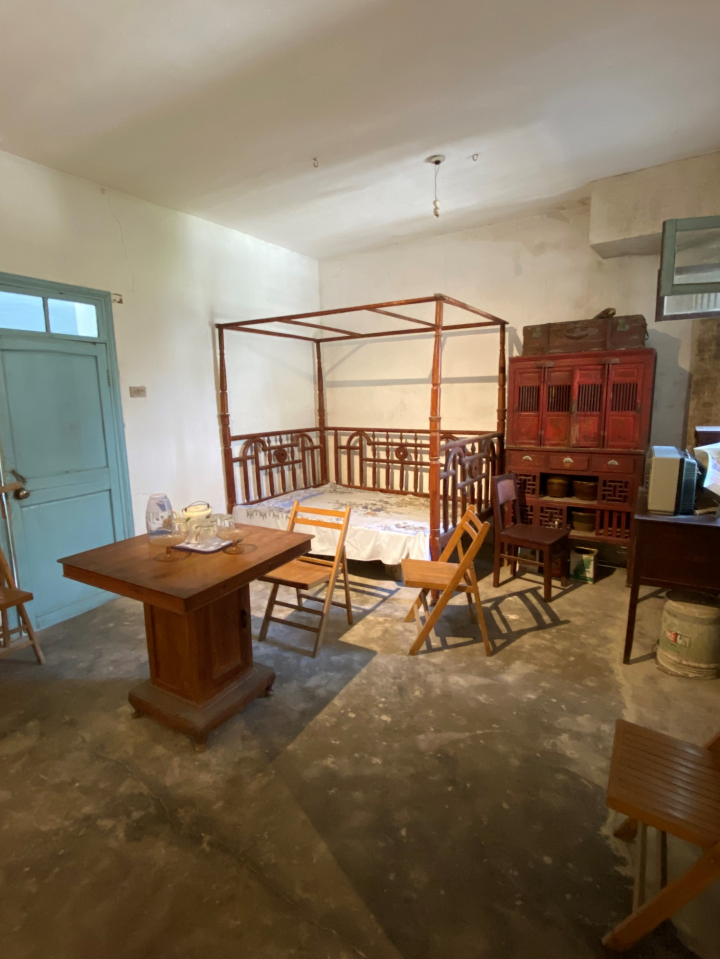
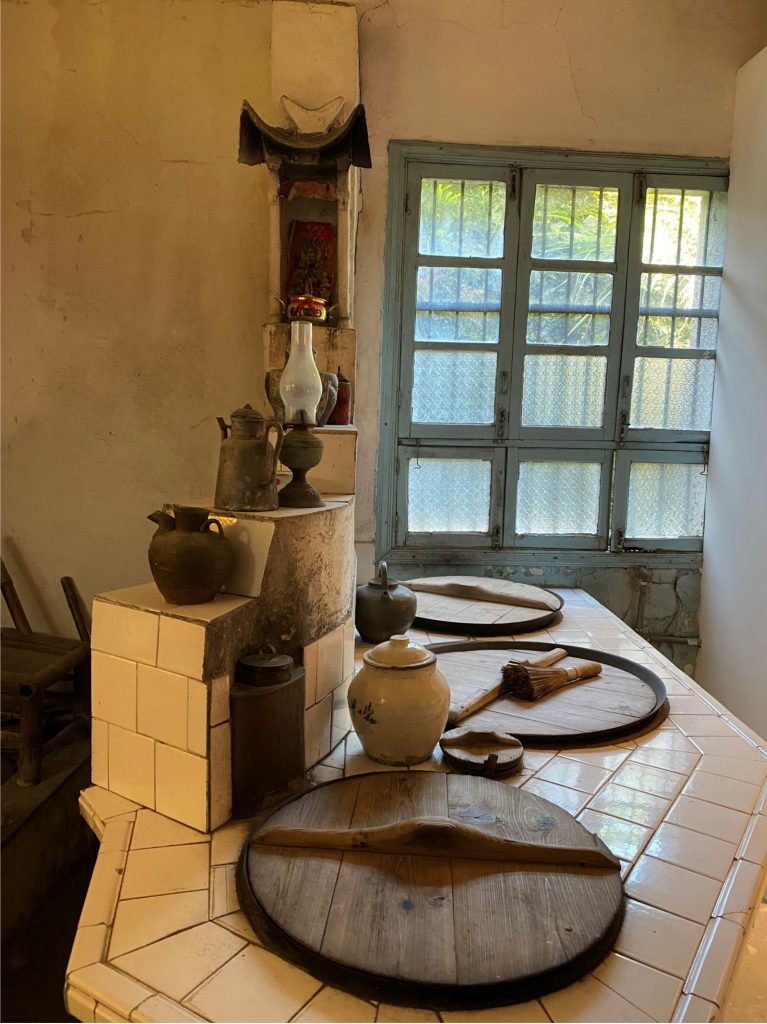
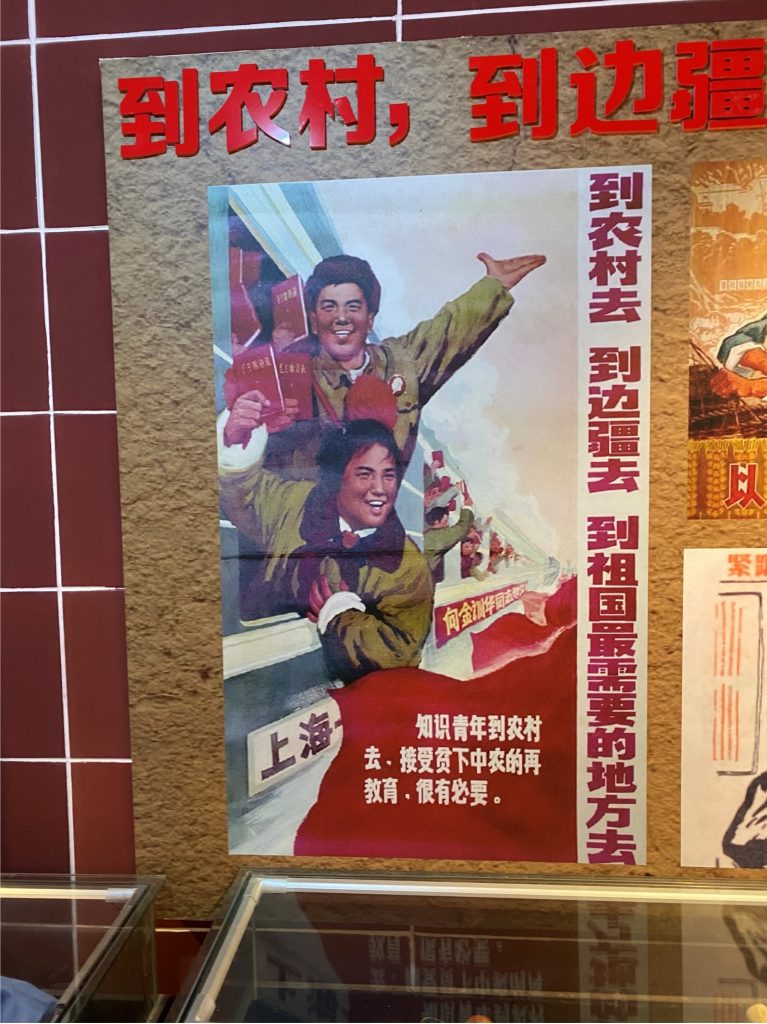
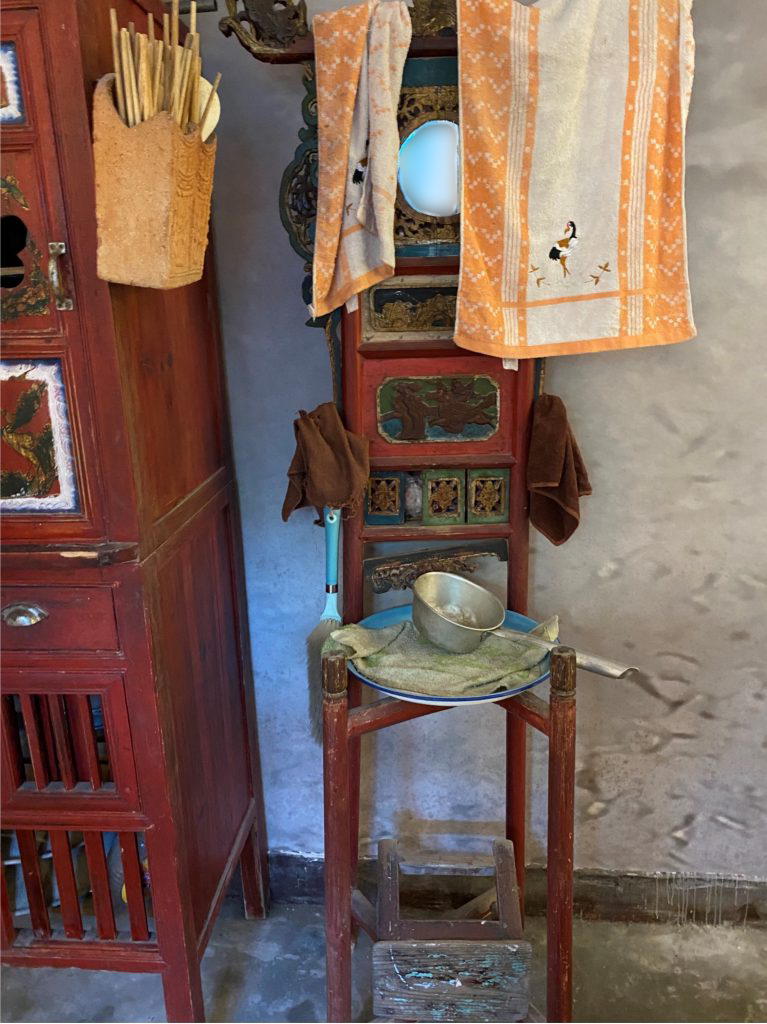
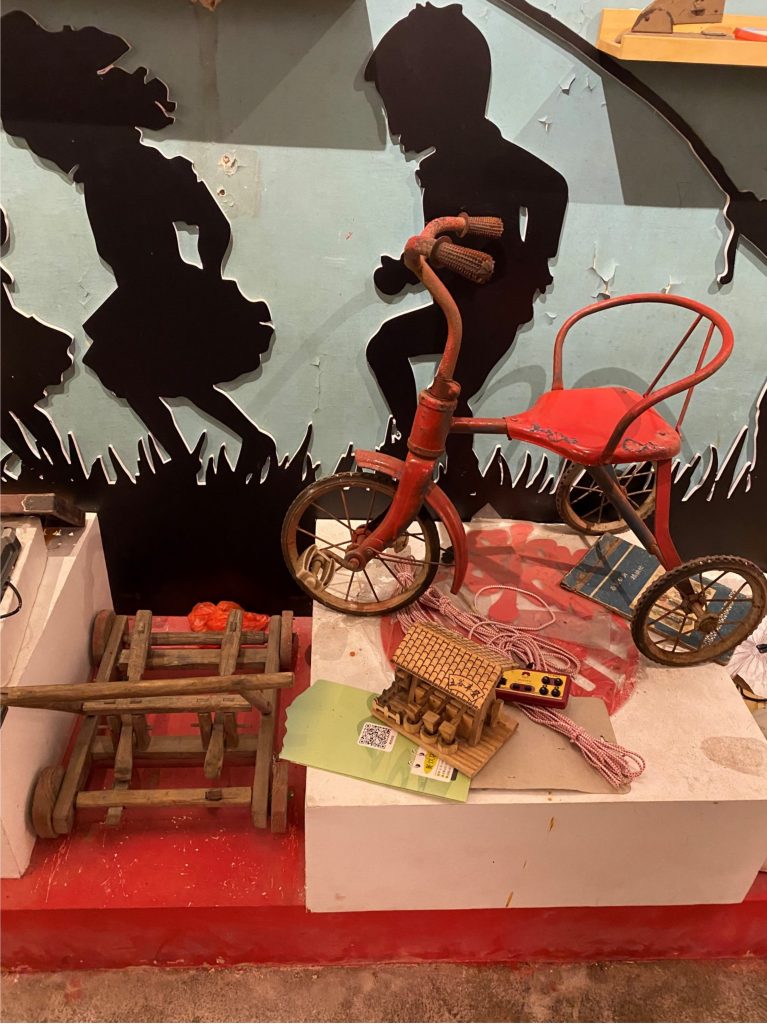
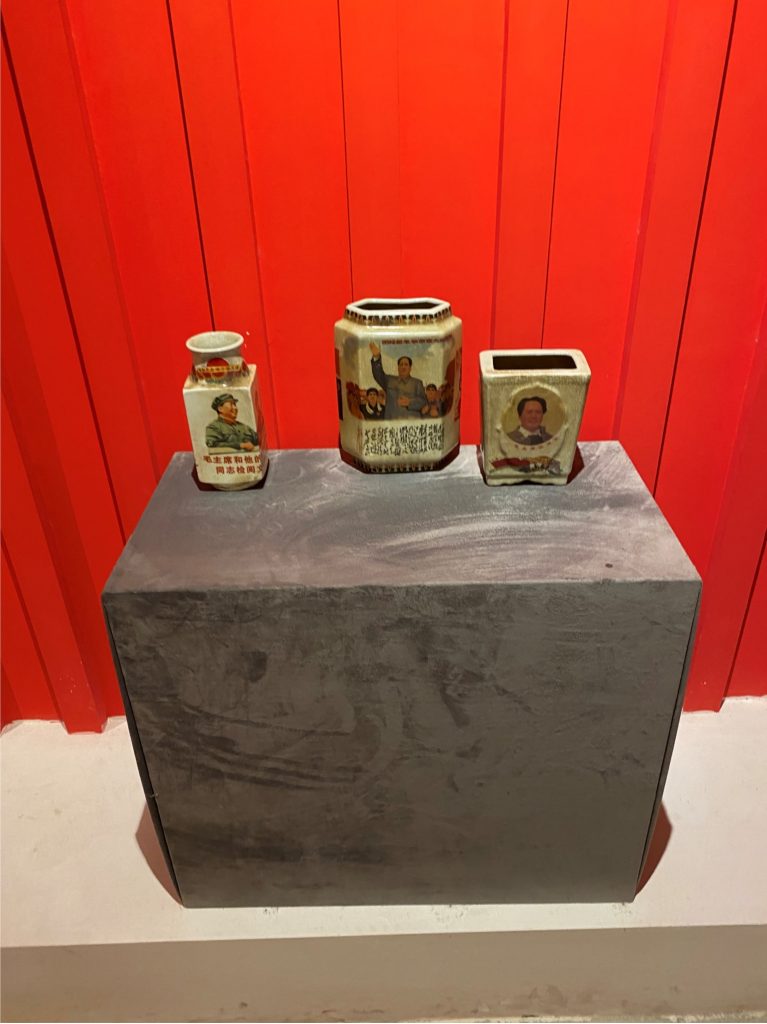
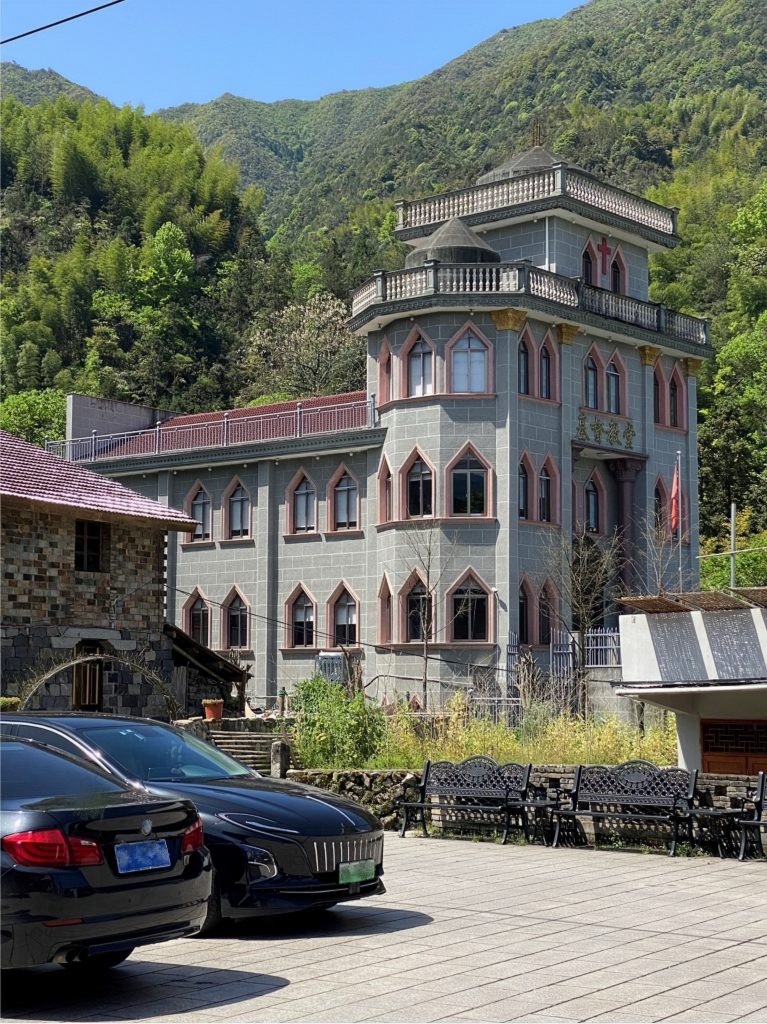
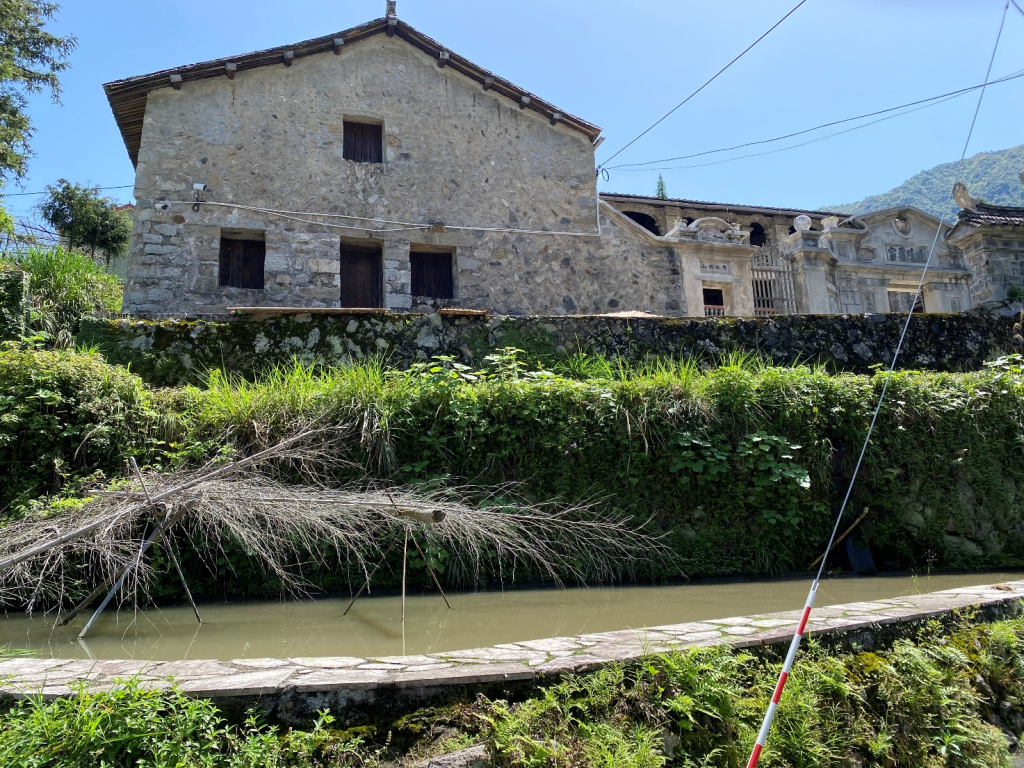
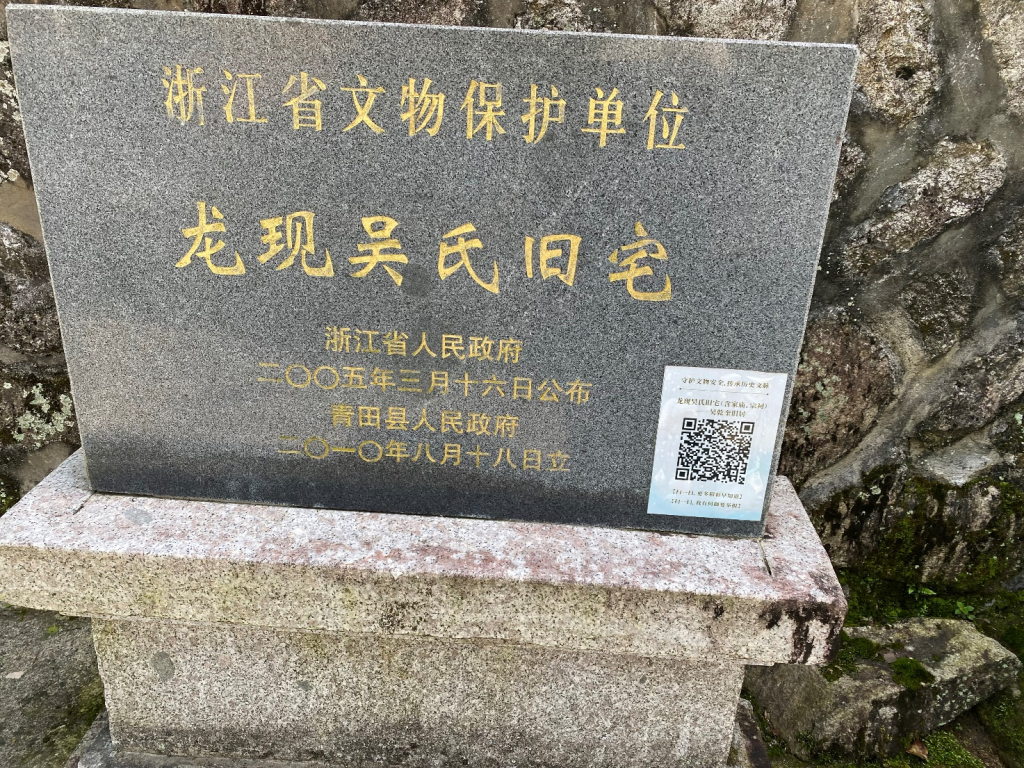
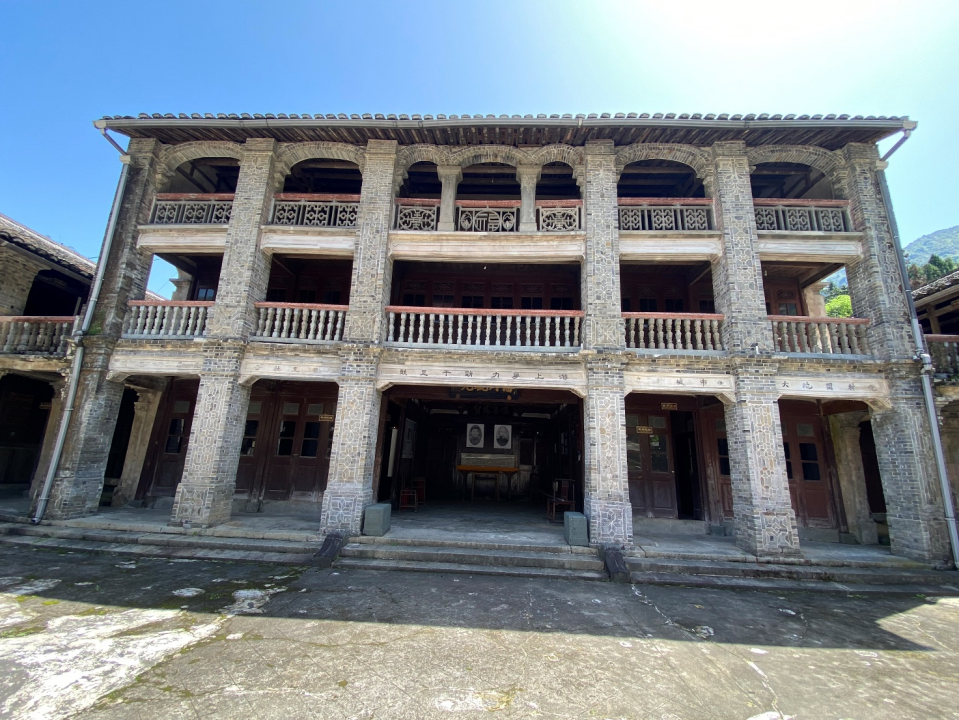
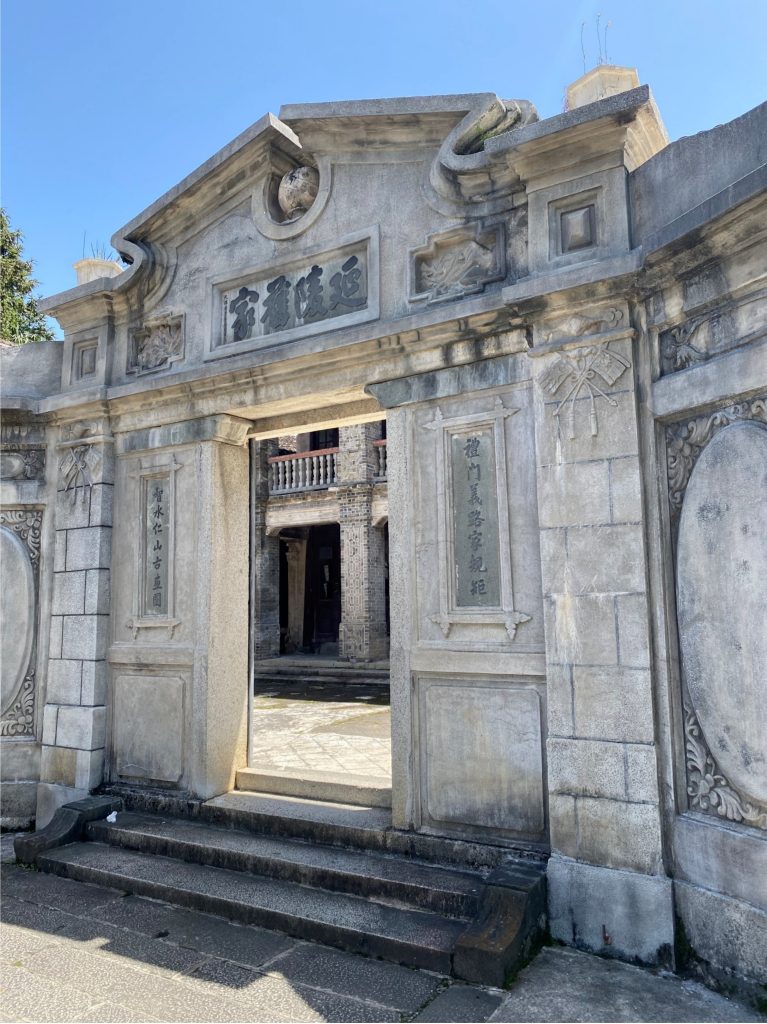
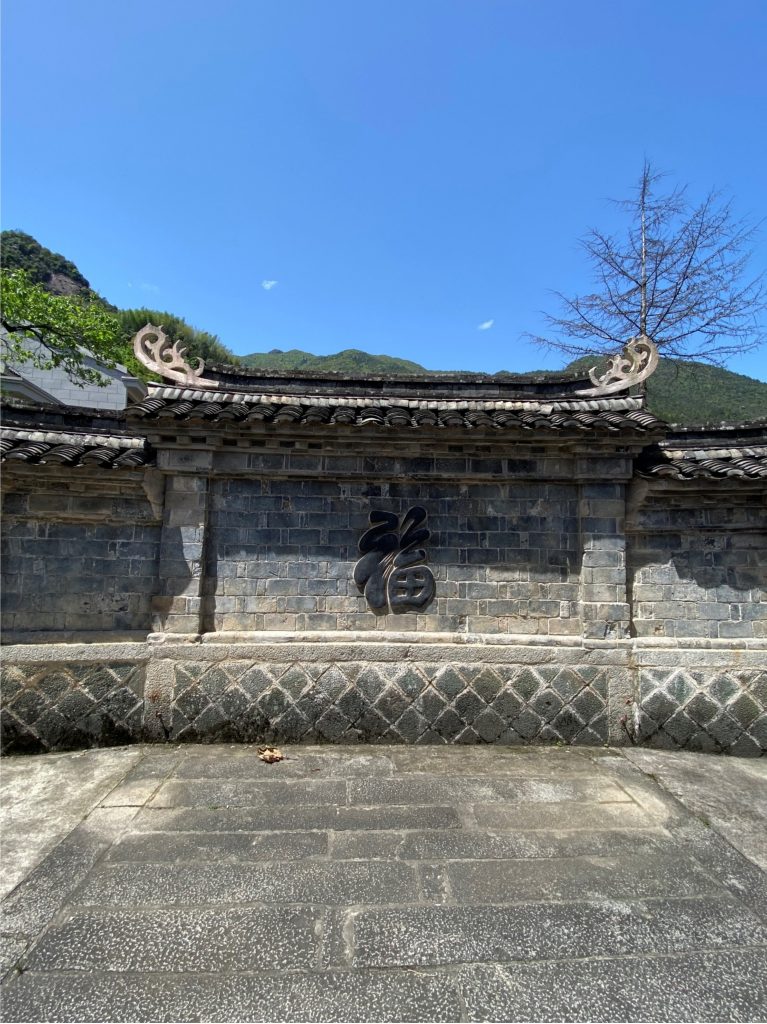
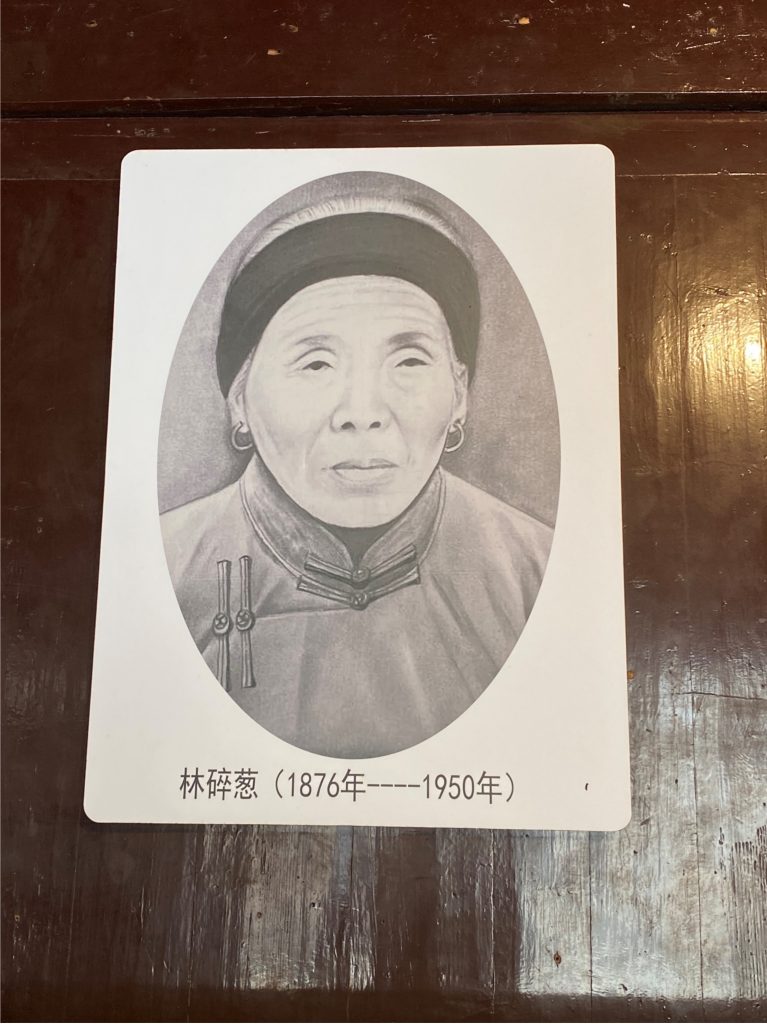
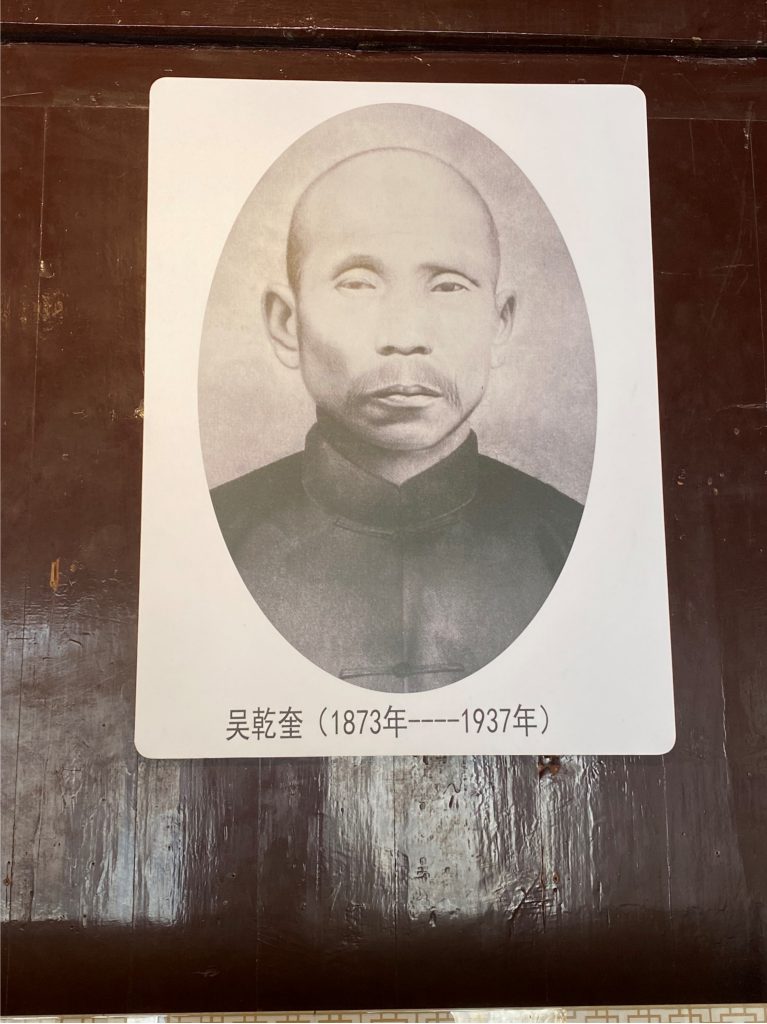
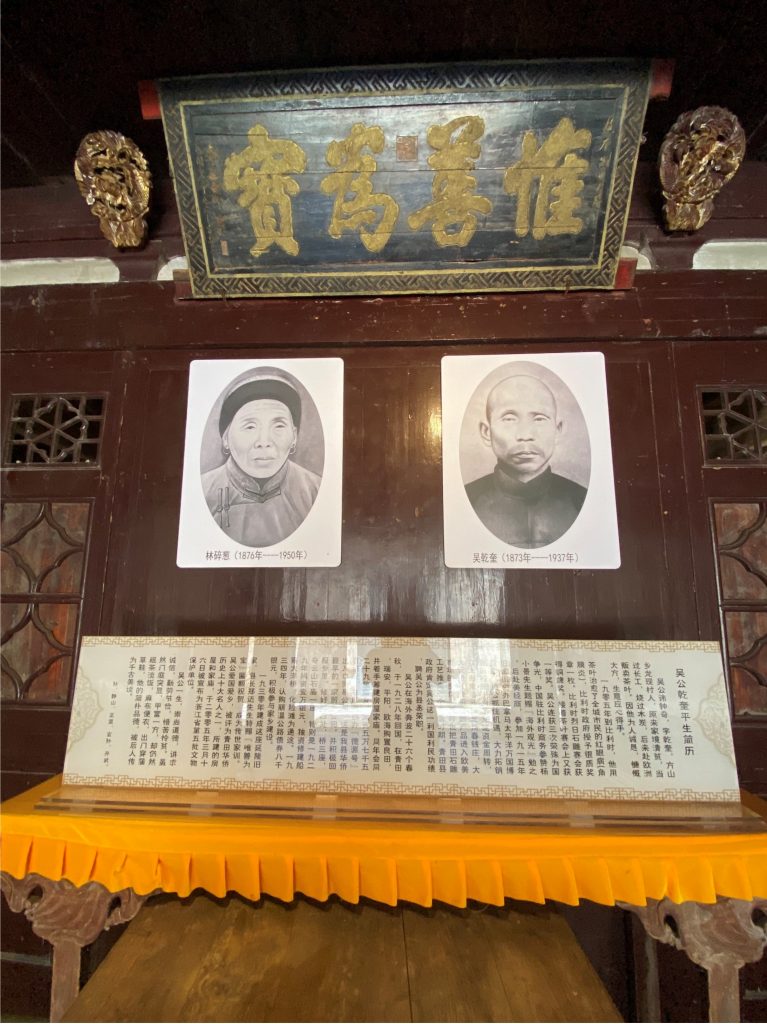
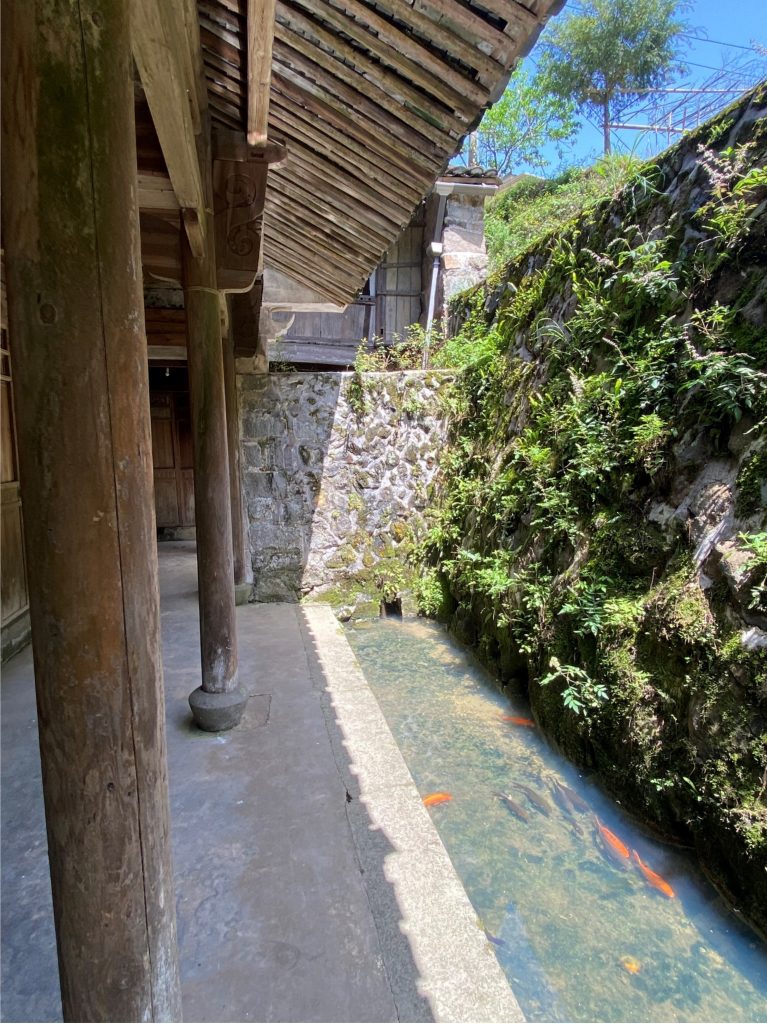
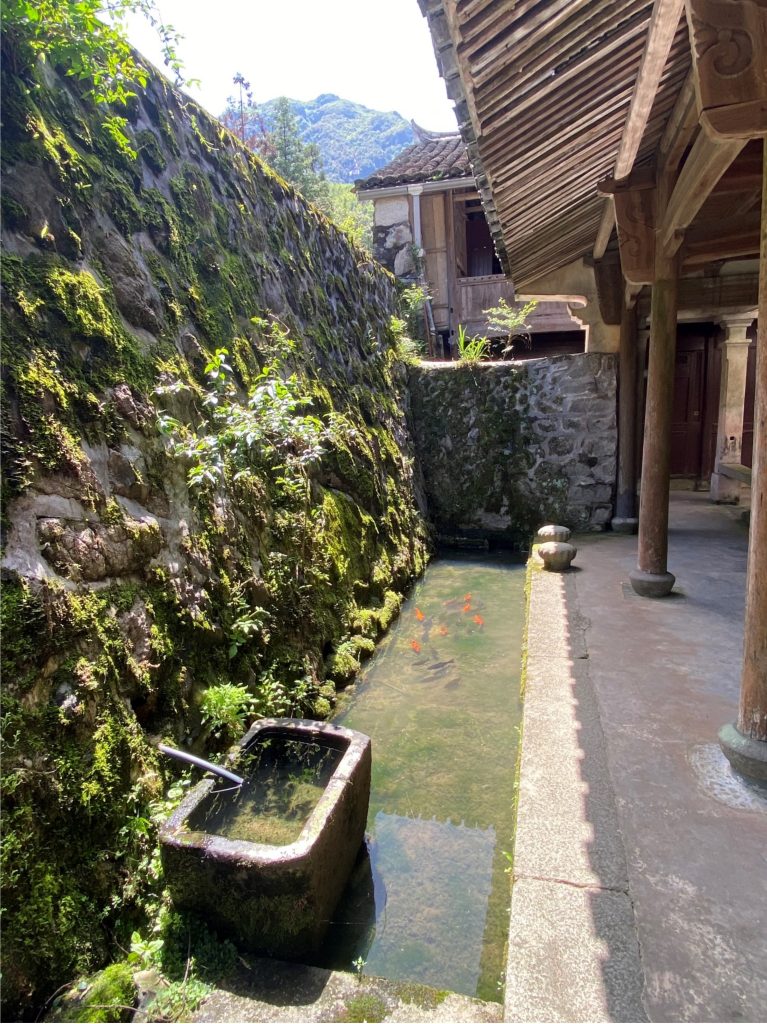
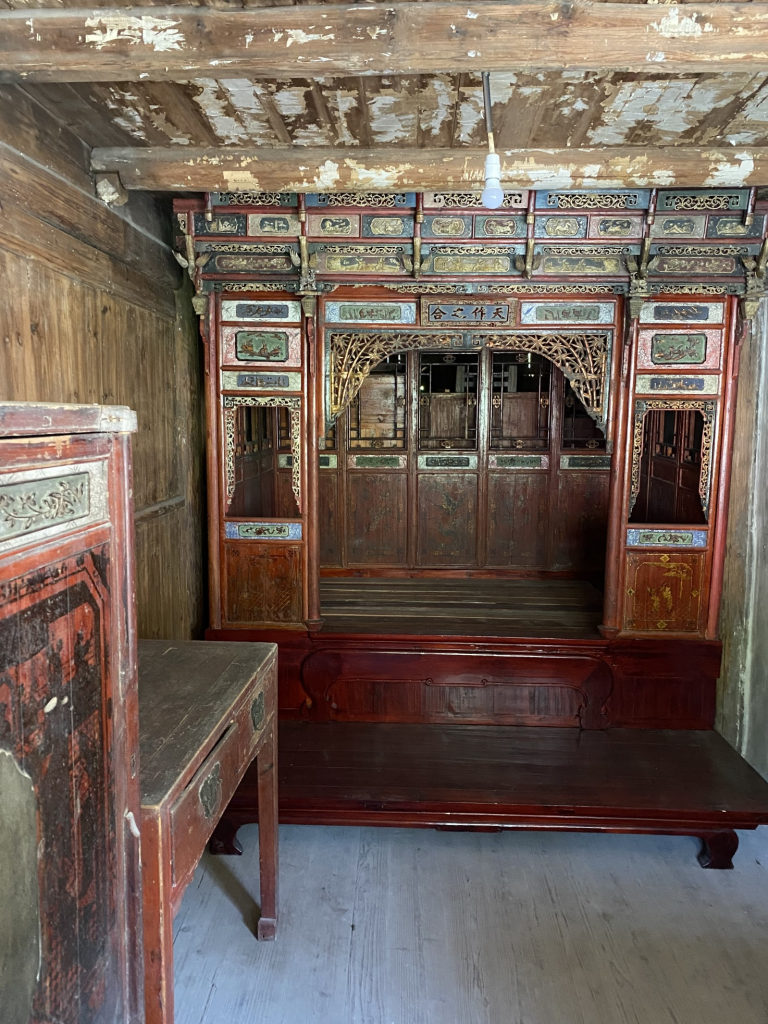
Details of the residence…
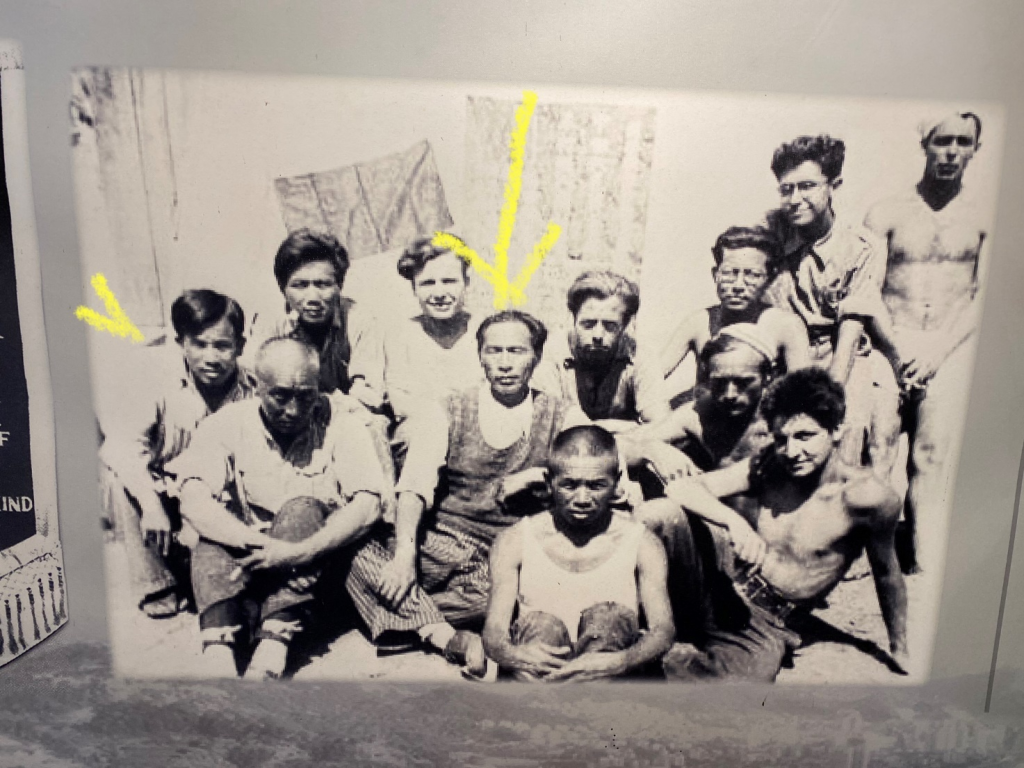
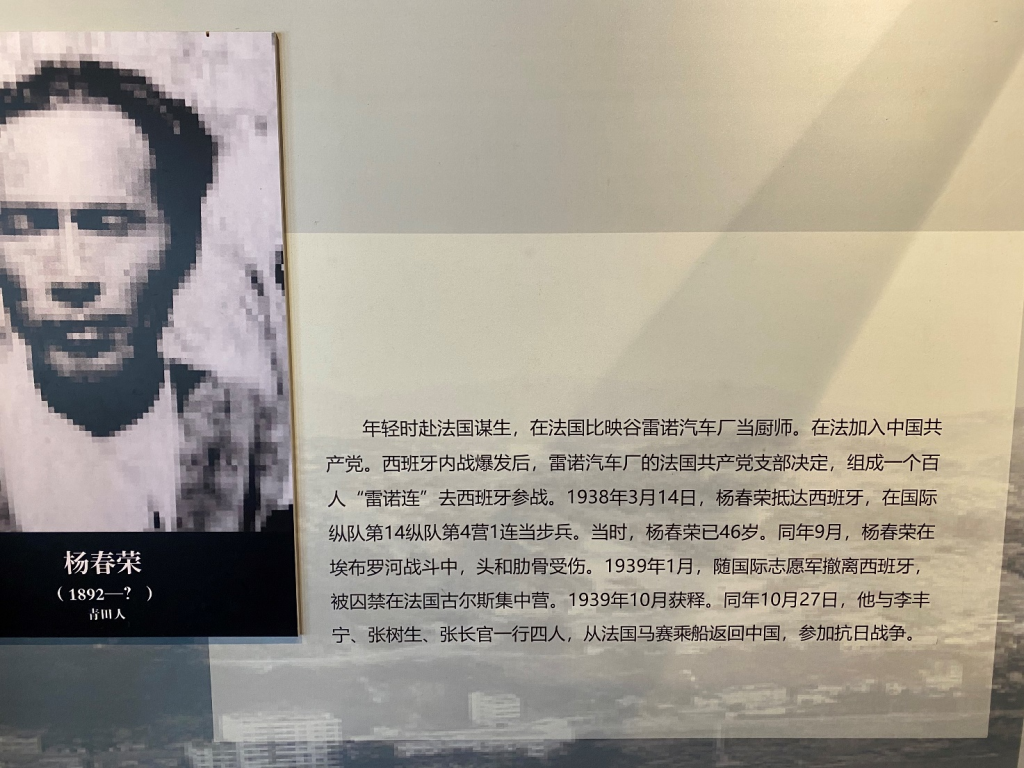
Inside the Wu family museum house are also displayed photographs of certain emigrants who, having moved from France to Spain in 1938, served as volunteers in the International Brigades during the Civil War against Franco’s forces. This gentleman, Yang Chunrong, would later return to France with three comrades and sail from Marseille back to China, where he joined the resistance war against Japan.
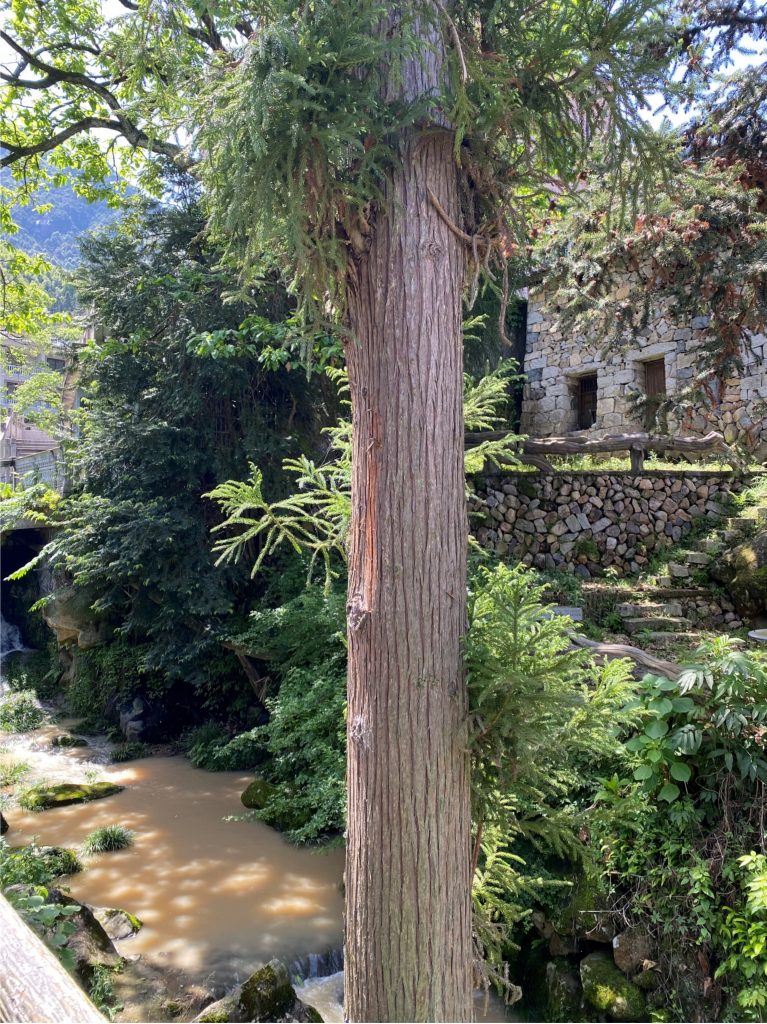
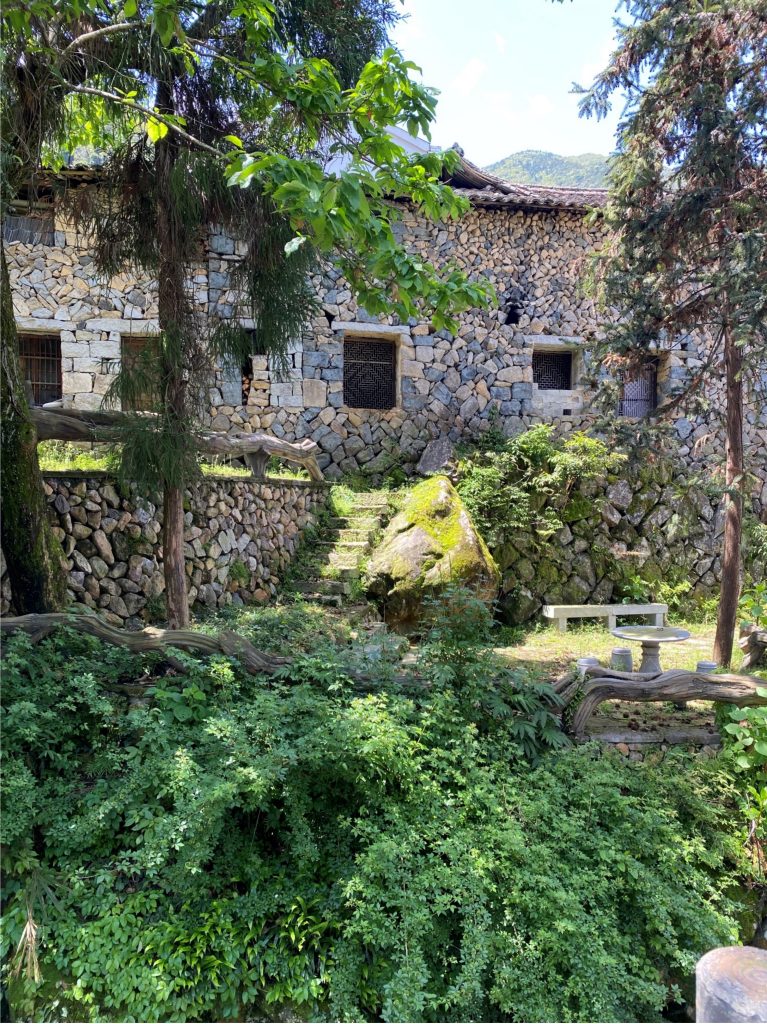
Below, a restored house intended for tourism. Today, it hosts a restaurant…