Chinese Geographies
Proposals for Innovative Teaching of Chinese Language and Culture
The project
Regarding point a), the project draws on the experience that photographer and scholar Yan Wang Preston gained through her Mother River project, in which she “read” China through photography by deconstructing a “rhetorical” image of reality, as is often presented in China when describing landscapes. Mother River Project The methodology used by Yan Wang Preston serves as the starting point for leading students on an exploration of the reality of the Chinese diaspora in the cities of focus: Turin and Zaragoza. Under the guidance of Professor Yan Wang Preston, students create a photographic depiction of the world of emigration and the Chinese diaspora, focusing on how and where it manifests in the urban geography of Turin and Zaragoza. This depiction goes beyond physical locations to explore a universe of symbols and images often derived from Chinese culture, or shared with it by our own culture, which, as part of the “usual” landscape, often goes unrecognized. The materials produced during the exercise are showcased through publication on this website, with the aim of using them in future educational activities, potentially in collaboration with the community and possibly with high schools where Chinese is taught. By constructing a “photographic itinerary,” the students are also encouraged to reflect on utilizing photography as an educational tool useful for understanding and studying the Chinese language and culture.
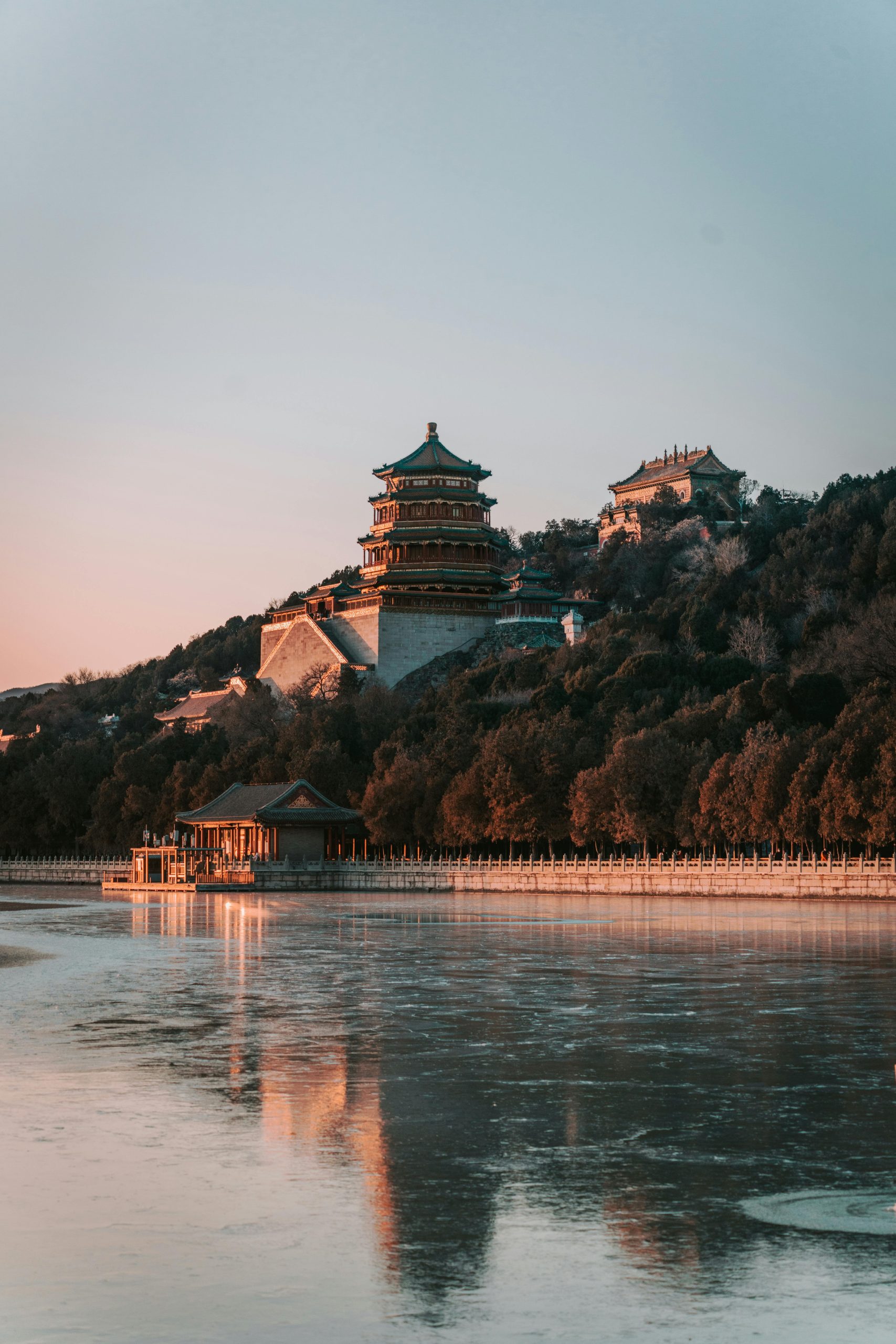
For the development of this aspect of the research, the project also leverages the expertise of colleagues from the University of Zaragoza, who are already active on these themes through the Horizon 2020 MATILDE project (Migration Impact Assessment to Enhance Integration and Local Development). The creation of the “itinerary” involves students from each of the two universities in the UniTa consortium participating in the project, asking them to document the presence of Chinese communities in their respective areas through photography, focusing on specific aspects and potentially integrating this documentary action by administering questionnaires.
There are planned engagements for sharing work between the students of the two groups through digital platforms for distance learning. The results produced are intended to be used for educational purposes with the following aims:
- Lead a reflection on methodologies capable of making students aware of how much of the world they study is present in “their” world; this awareness should be directed toward fostering their interaction with the communities, making them agents of a process of inter-acculturation. In this way, the project also becomes an exercise useful for improving community integration dynamics in the area.
- Encourage students to identify moments of contact and/or contradiction between what is learned through traditional teaching or from various sources on the Chinese cultural world and what is experienced through the “geography through images” they have created.
- Guide students in comparing their perception of China with the “memory” preserved within the community through photographic memories and written works stimulated by these memories.
- Reflect on the difference in approach between students with a linguistic-literary focus on Chinese and students from other predominant fields, in order to evaluate possible useful intersections within different educational paths.
- Engage with the community in a project of “preserving and enhancing the memory of Chinese immigration” that can grow and be enriched over time.
To develop the theme in point c) of the project, collaboration with colleagues from East China Normal University in Shanghai will be sought, and the Chinese community will be asked to collaborate in the research, also involving second-generation Chinese students present in our study programs. The selected sample will be asked to share some photographic memories related to their country of origin (suggesting some thematic preferences) and to produce texts in relation to the emotions evoked by the images.
This site gathers all textual and photographic materials with the aim not only to describe the project in its various stages but also to share the research outcomes and provide a permanent repository that can be enriched over time with contributions from students, teachers, members of the Chinese diaspora, and citizens of the communities of Turin and Zaragoza.
Turin
Associate professor, University of Turin
Full professor, University of Turin
Full professor, University of Turin
Zaragoza
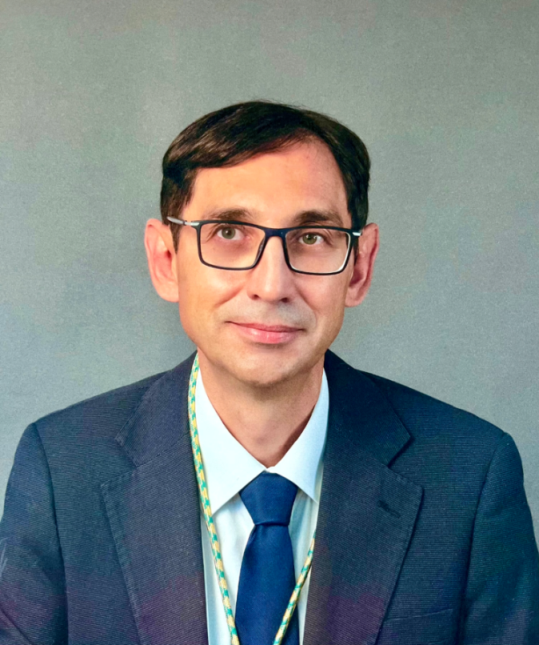
Associate Dean, Full Professor, University of Zaragoza, Angel Pueyo Campos (University of Zaragoza)
Shanghai
Associate professor, East China Normal University – Shanghai
Partners