29 May, 2025
Emigration... from the Other Shore – A Journey to the Places of Origin of Chinese Immigrants in Turin (April 2024)
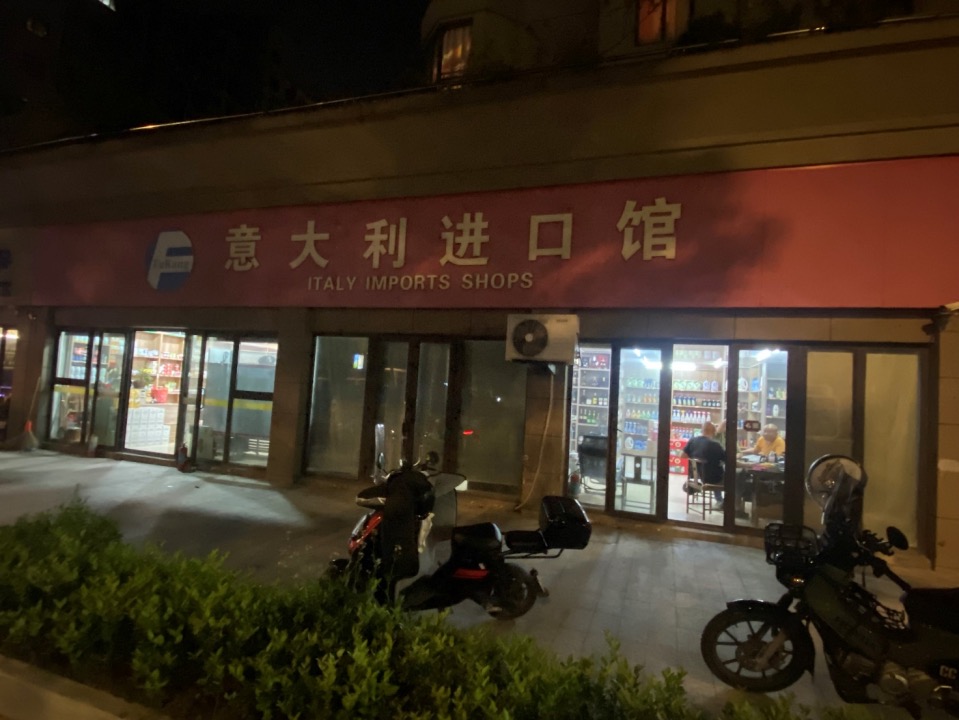
We are accustomed to thinking of immigrants only from the perspective of the “destination country.” We know that many Chinese immigrants in Italy—and certainly the vast majority of those in our region—come from the Wenzhou/Wencheng/Qingtian area in Zhejiang Province. This is a relatively wealthy part of China, but these mountainous and somewhat remote regions were still untouched by the country’s economic boom in the 1980s and 1990s.
Today, remittances from immigrants have undoubtedly improved local economic conditions. We are also witnessing a phenomenon of return migration, particularly among the first generation, though not exclusively. Over time, as they returned, these emigrants felt the need to preserve and celebrate their migration experience, even “importing” elements of the culture from the places where they spent a significant part of their lives back to their homeland.
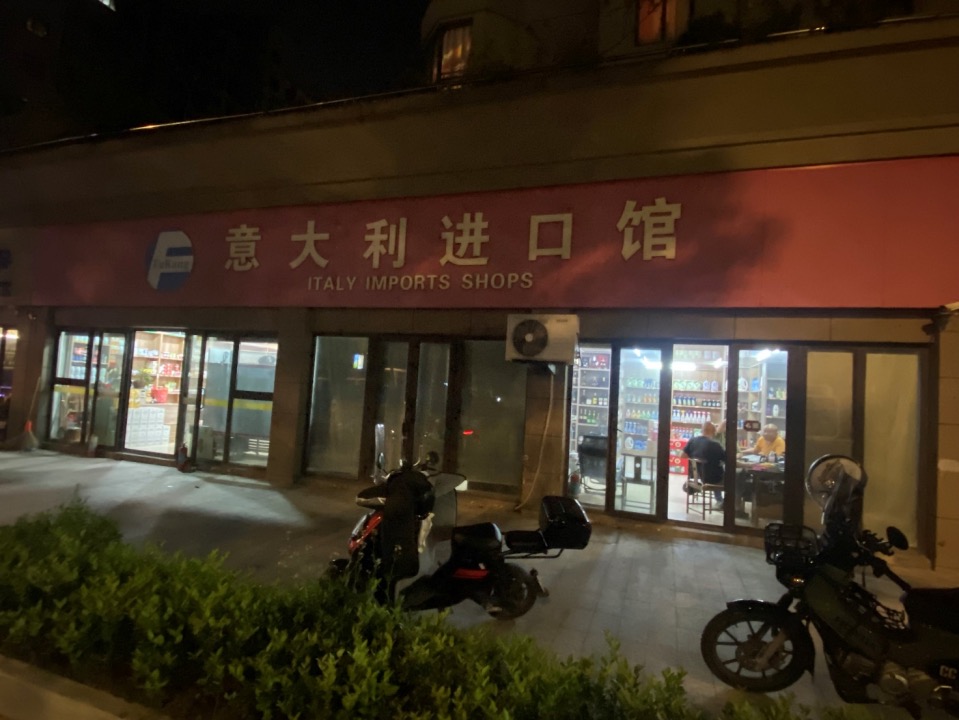
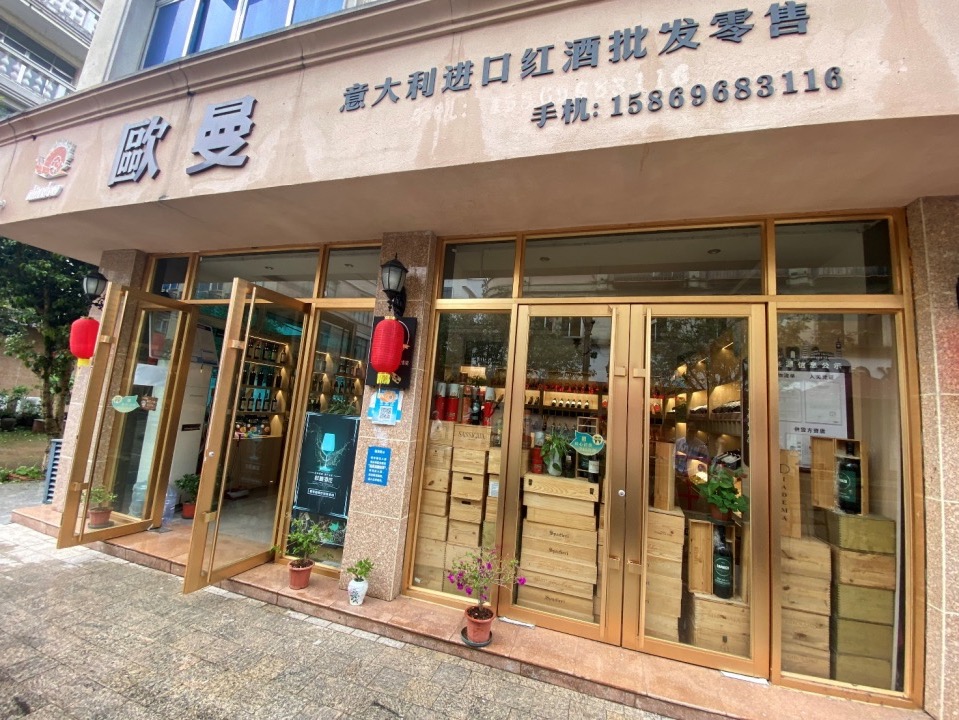
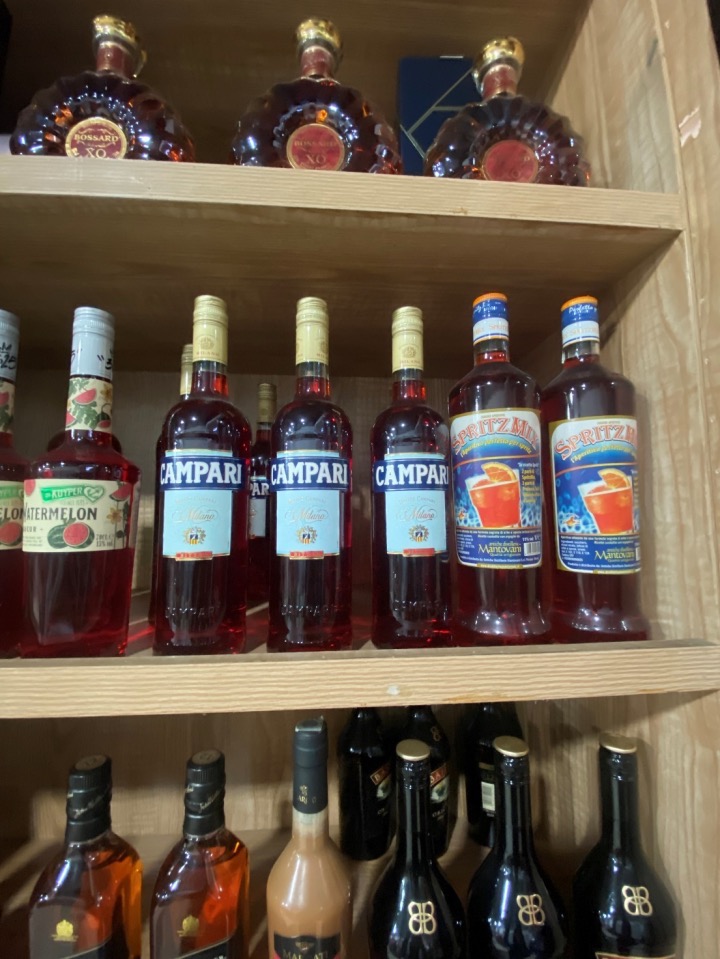
In Wenzhou and nearby cities like Yuhu and Qingtian, shops and bazaars selling Italian goods are not uncommon. These stores typically stock items such as wine, pasta, baby food, personal care products, and even some goods that appear specially tailored for the Chinese market.
The products…

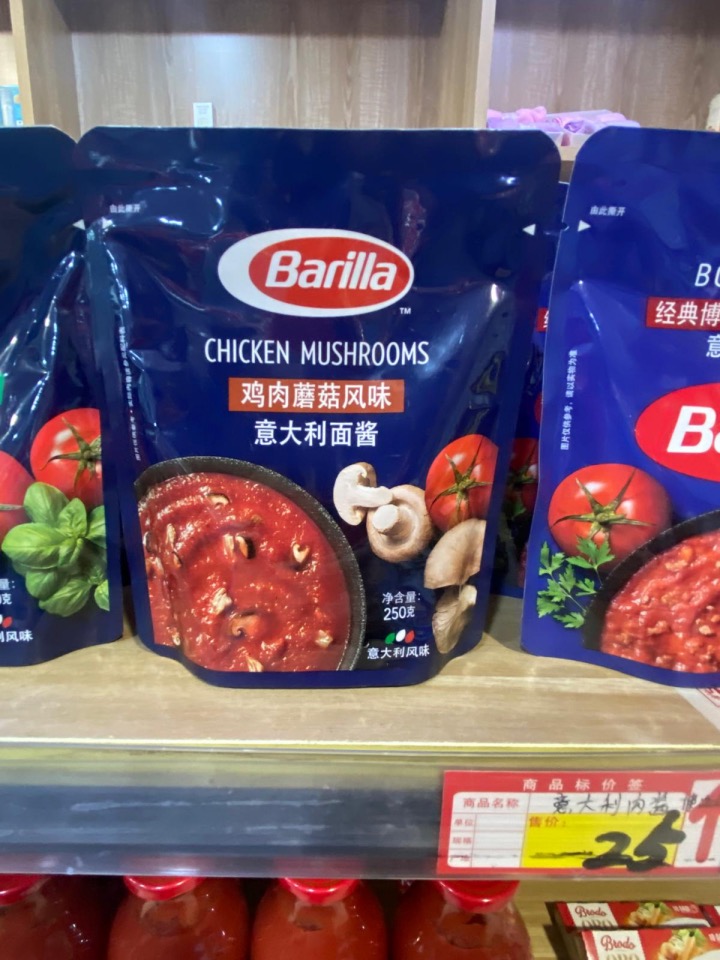
Regarding the pre-cooked pasta shown here, I’m sharing below the link to the website featuring the interview with Paolo Barilla, who, indeed, IN DECEMBER 2014, launched a pasta with sauce ‘built into’ the packaging – tailor-made for the Chinese market, with four different seasonings: spicy tomato mushroom, vegetables, and… cheese! https://www.foodweb.it/2014/12/barilla-la-pasta-e-pronta-per-la-sfida-cinese/
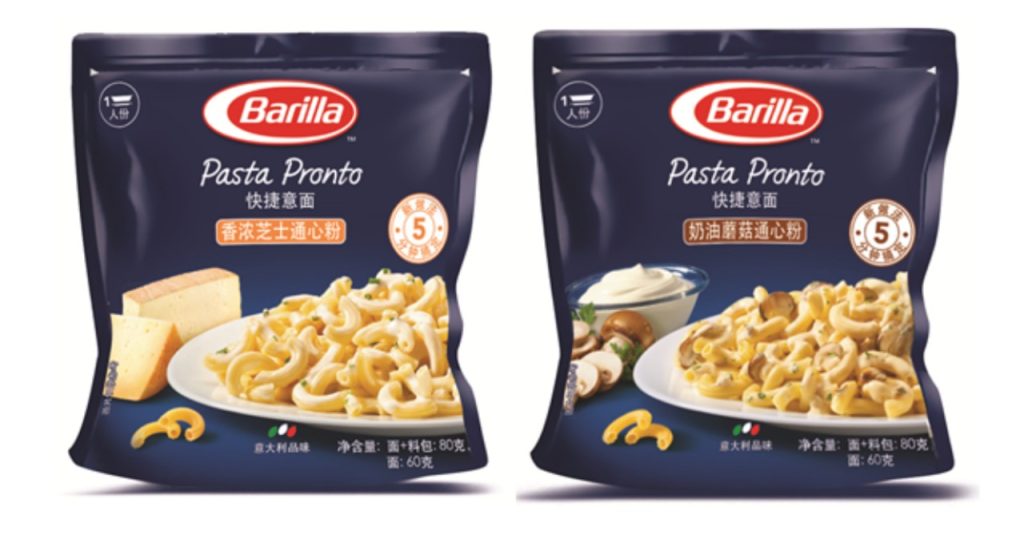
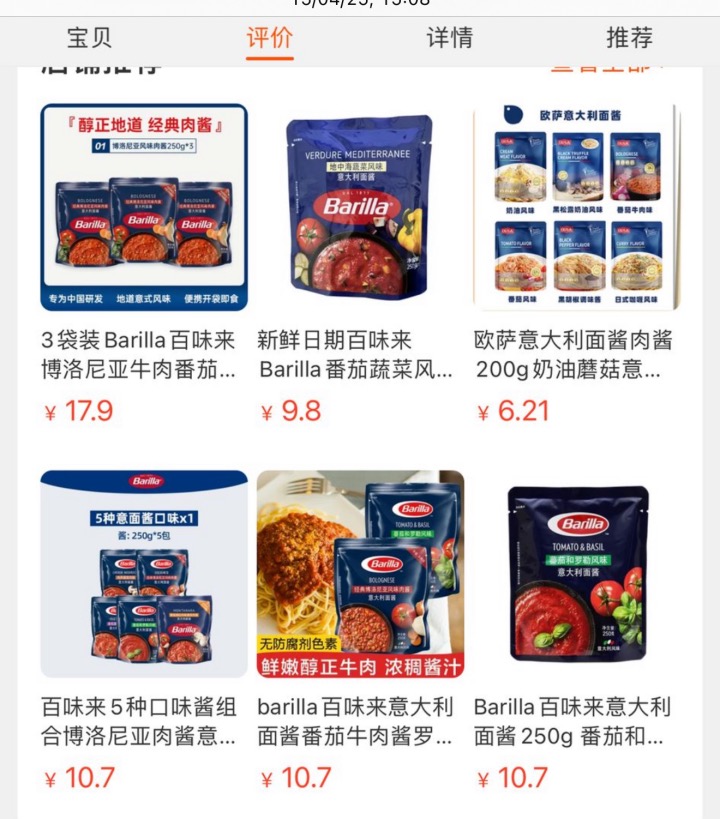
On the e-commerce platform Taobao, the ready-to-eat pasta is now available for purchase, and a ragù-flavored variety has been added to the lineup.
Italian sounding
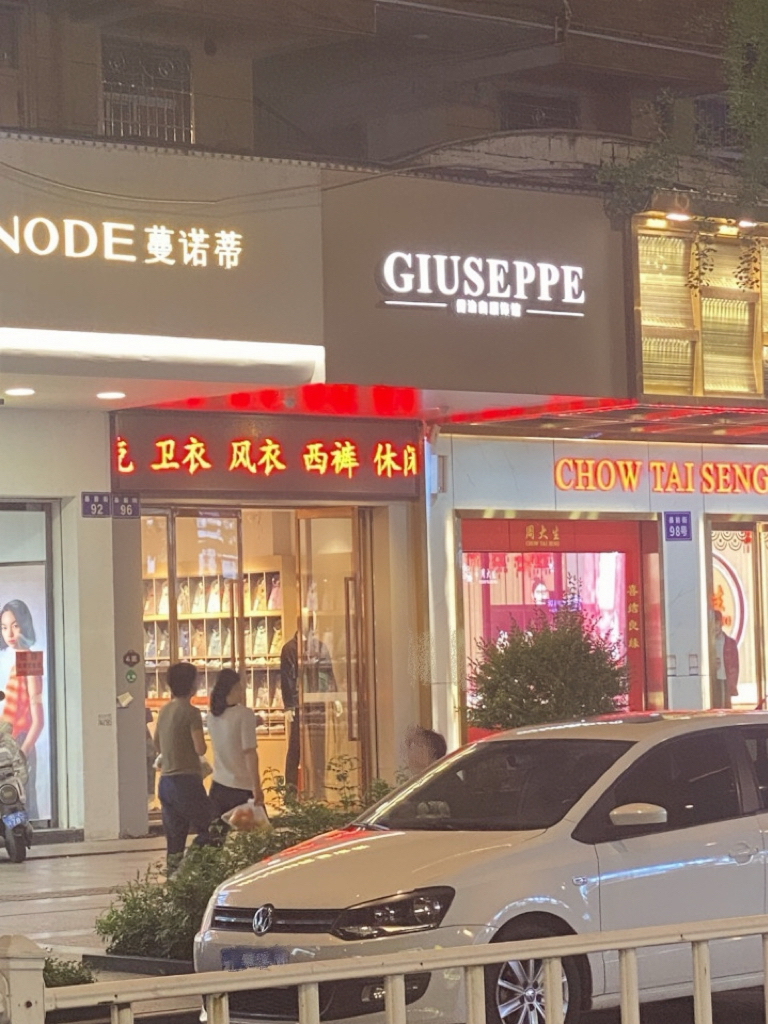
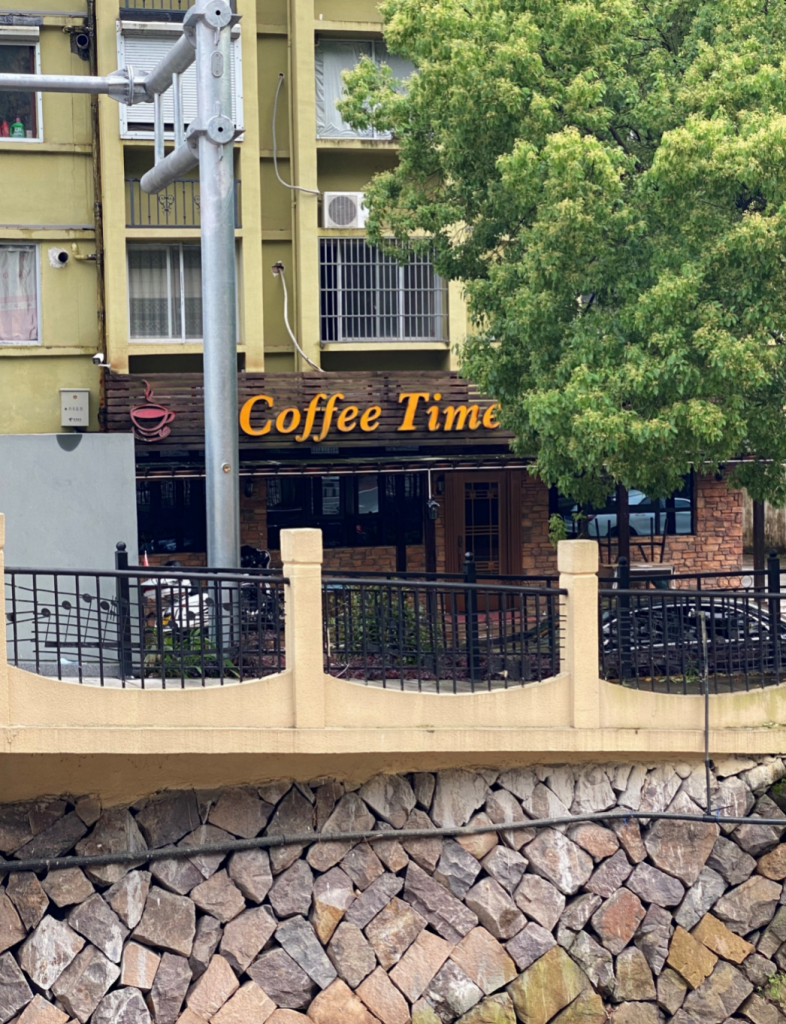
“Italian sounding”, or the “stratagem” of using elements that recall Italian culture (or even an Italian product), when in reality what we’re looking at isn’t Italian, is an improper practice when it refers to brand counterfeiting, but in the cases captured in these photos, it instead points to a “widespread perception”: the clothing store is called “Giuseppe” because Giuseppe is an Italian name and Italy evokes the idea of “fashion capital”. The same goes for the coffee shop sign. Certainly the image “stolen” from a car dashboard evokes a tender nostalgia…
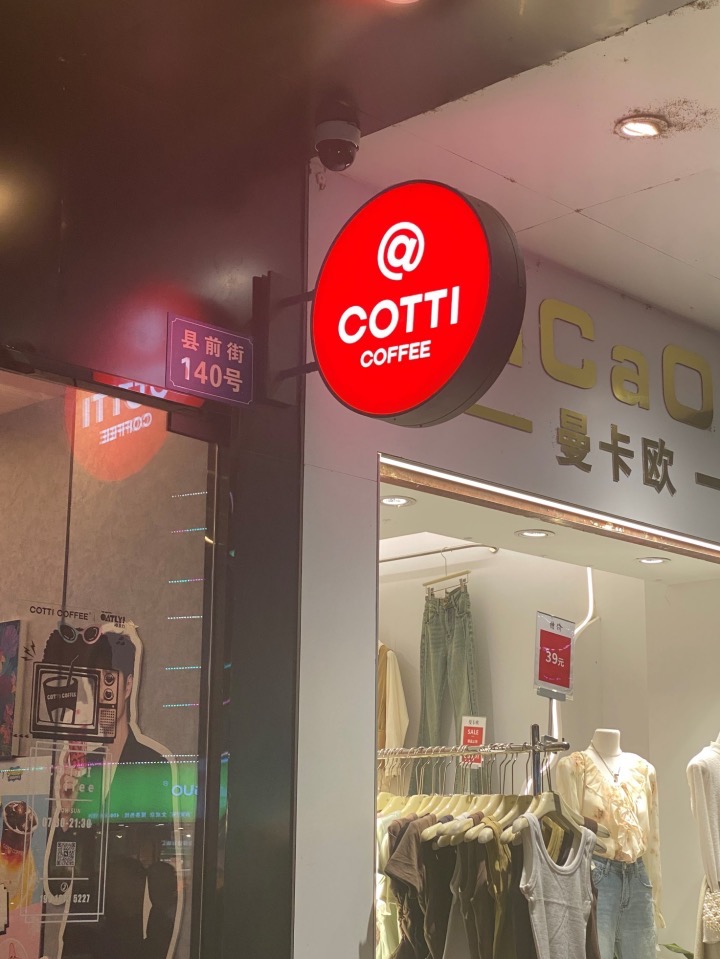
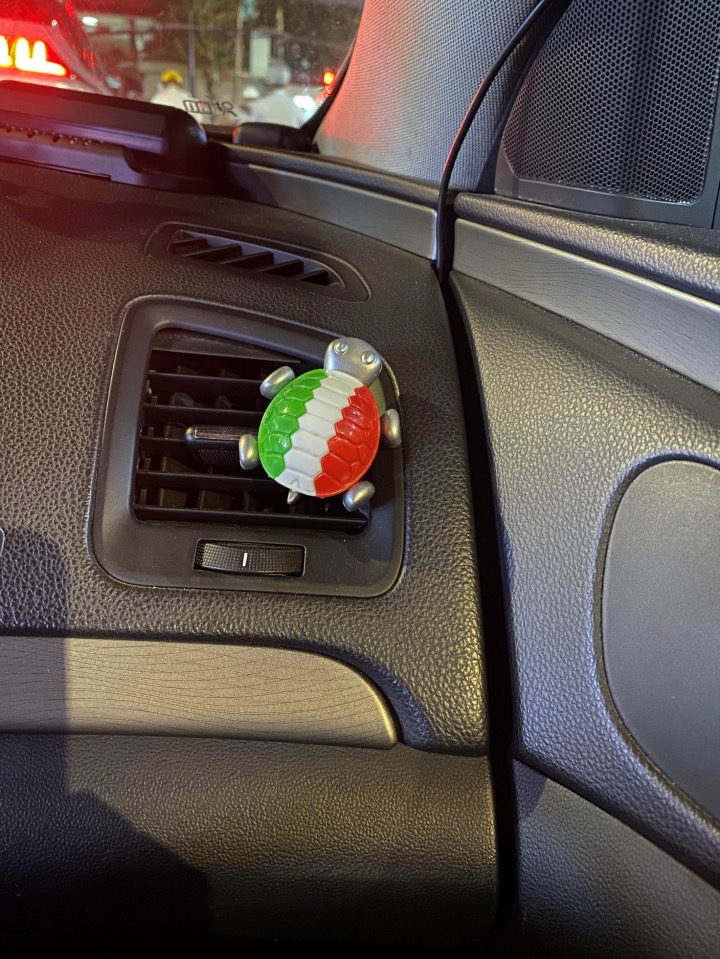
Coffee culture... and not only!
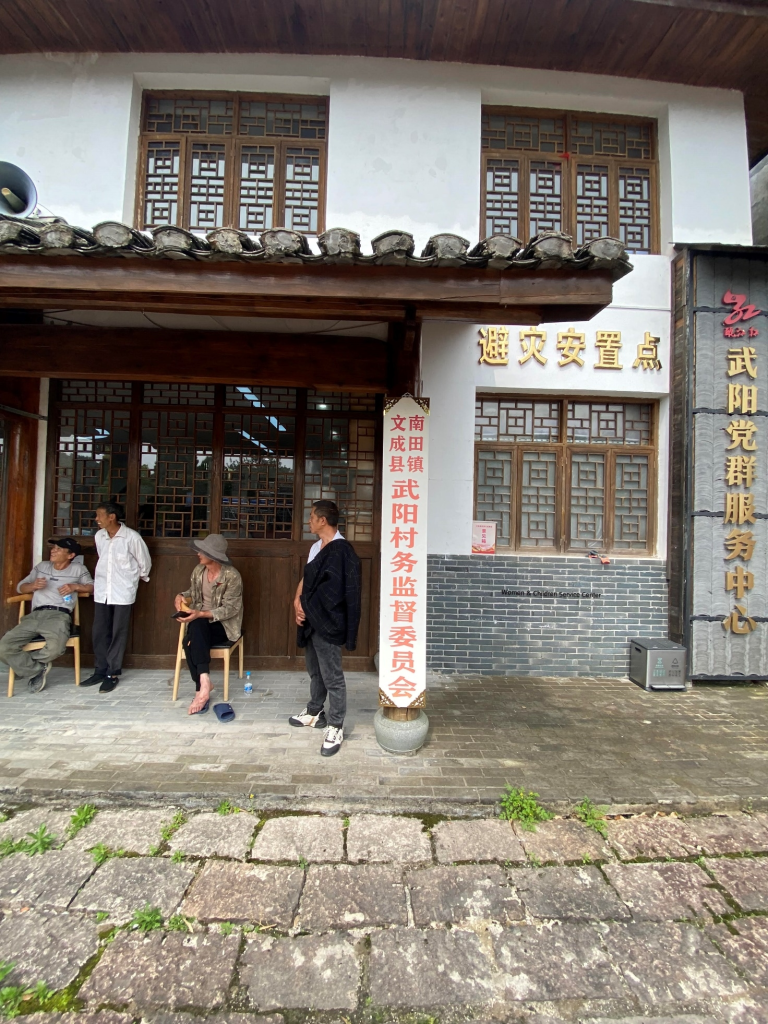
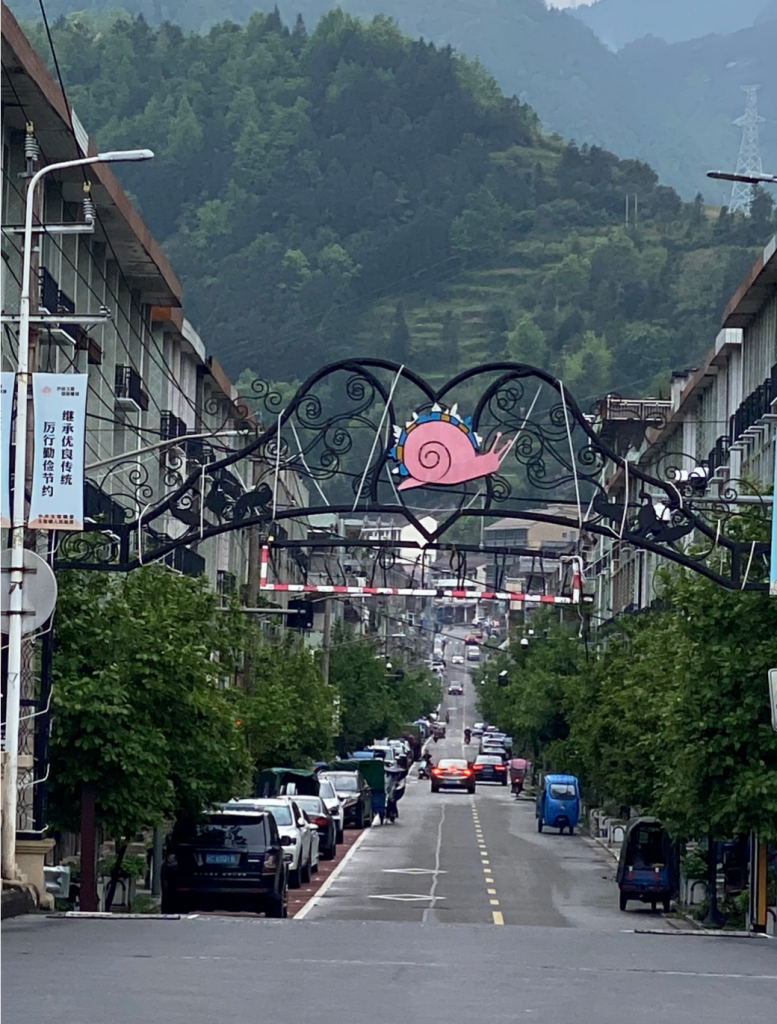
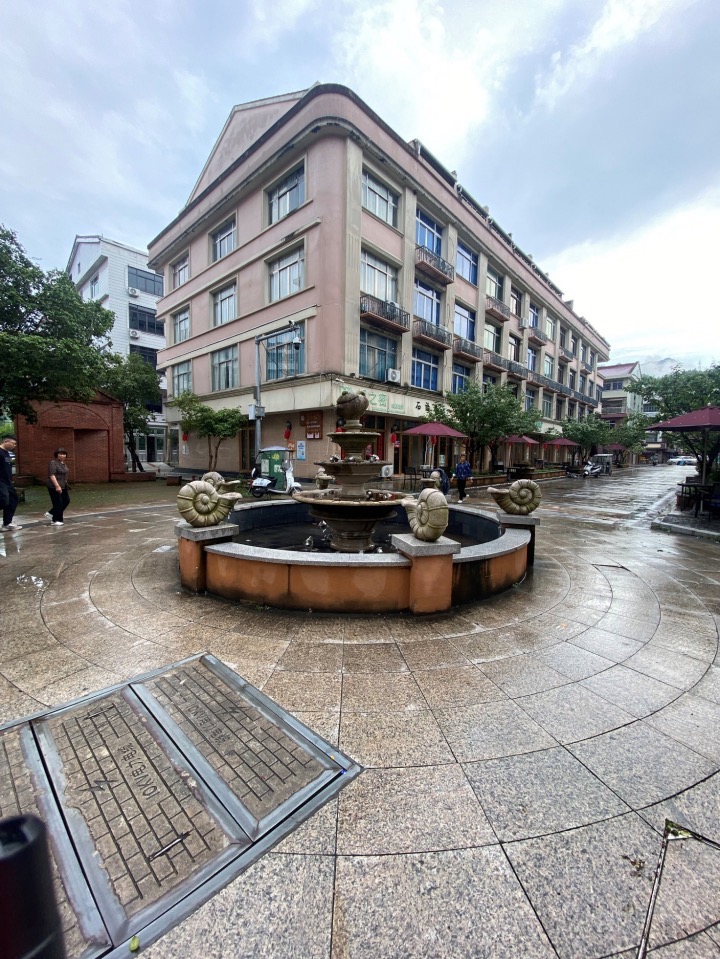
This café is located in Wuyang Village (武阳村), an area not far from Wencheng (in the northwest of Wencheng County 文成县西北部) where they aim to promote agritourism entrepreneurship. The influence of European and Italian culture in this regard is evident. Coffee culture has become present in establishments and dining venues throughout all these towns.
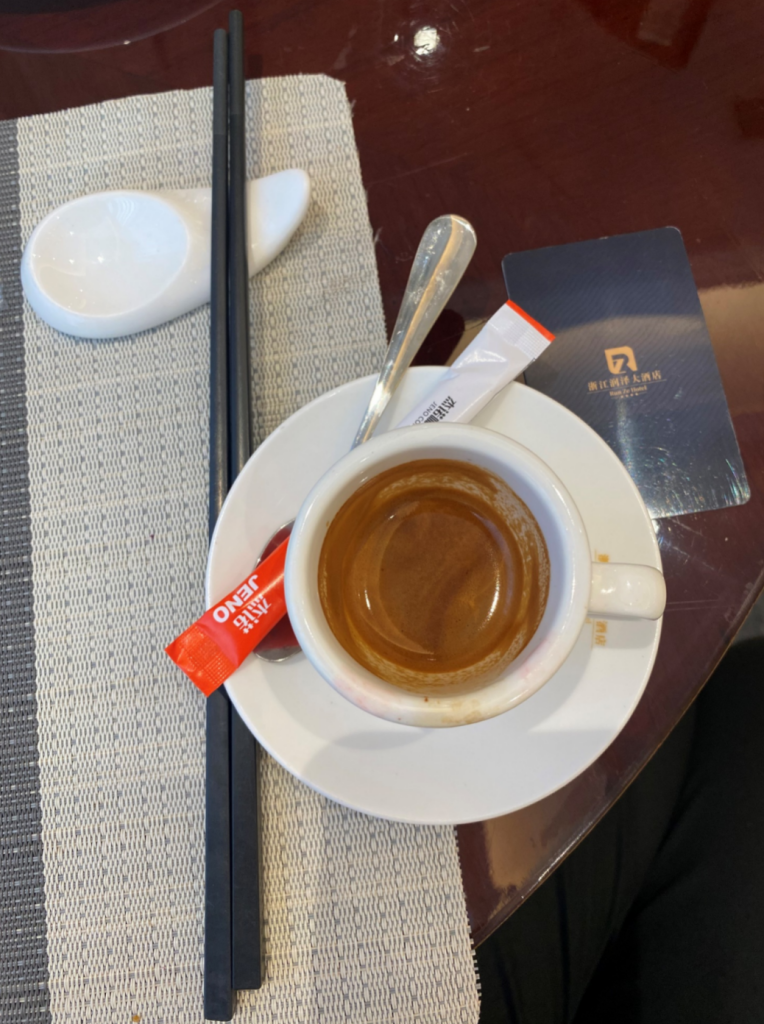
Coffee hasn’t replaced tea—it has simply joined it, alongside cappuccinos and caffè lattes.
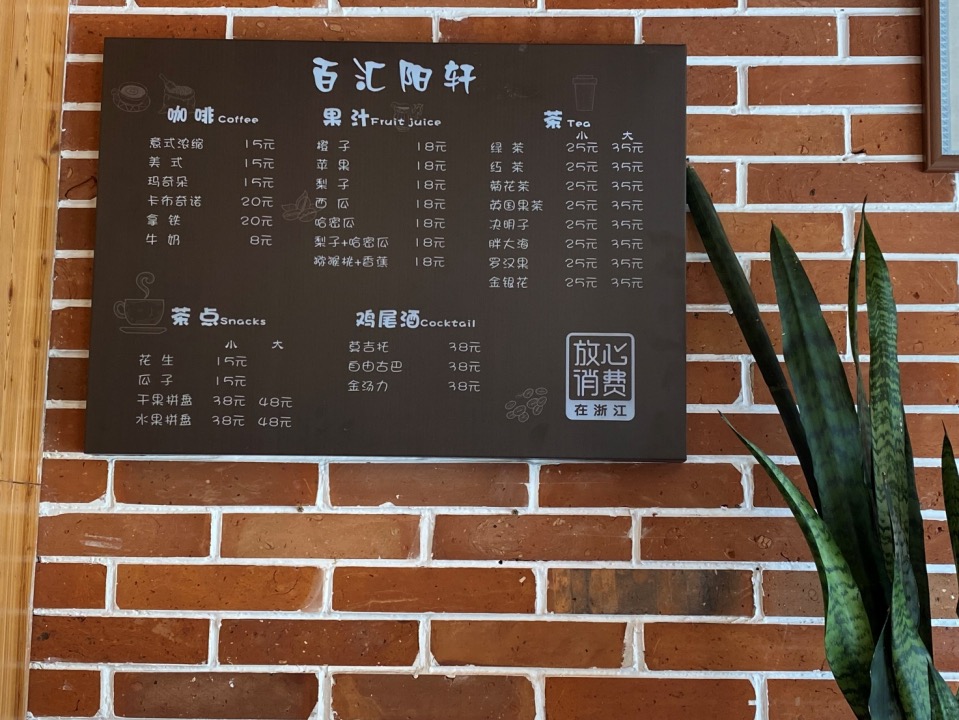
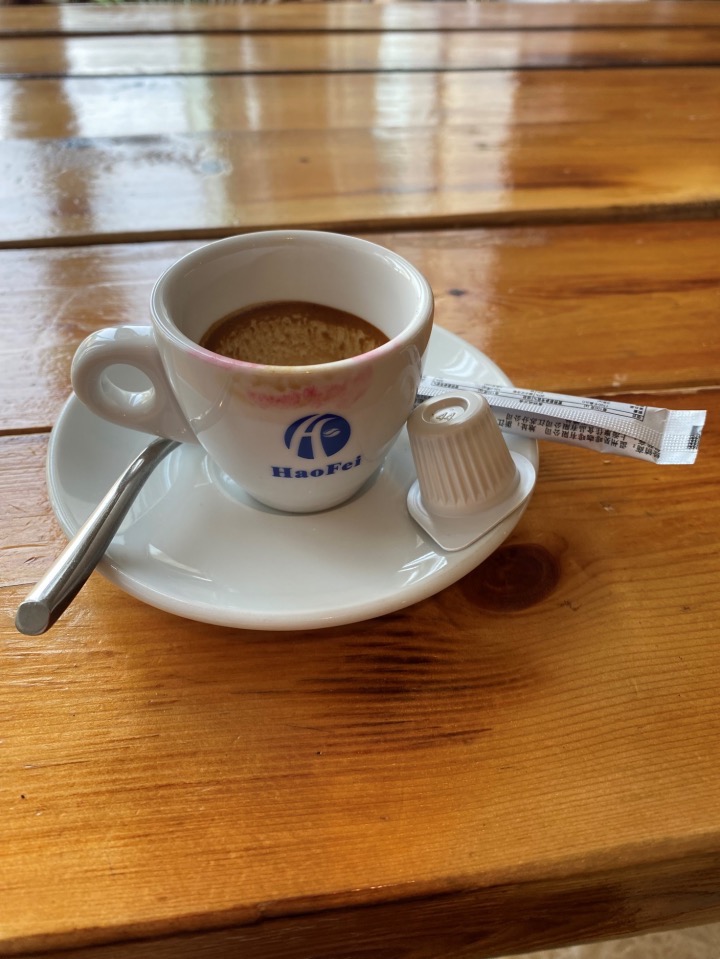
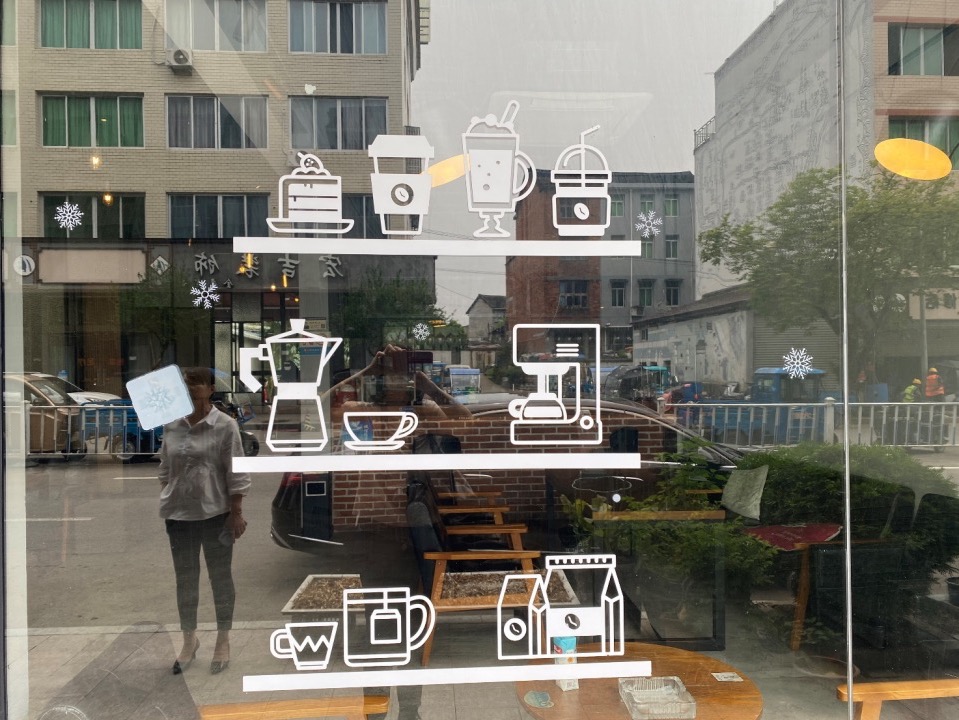
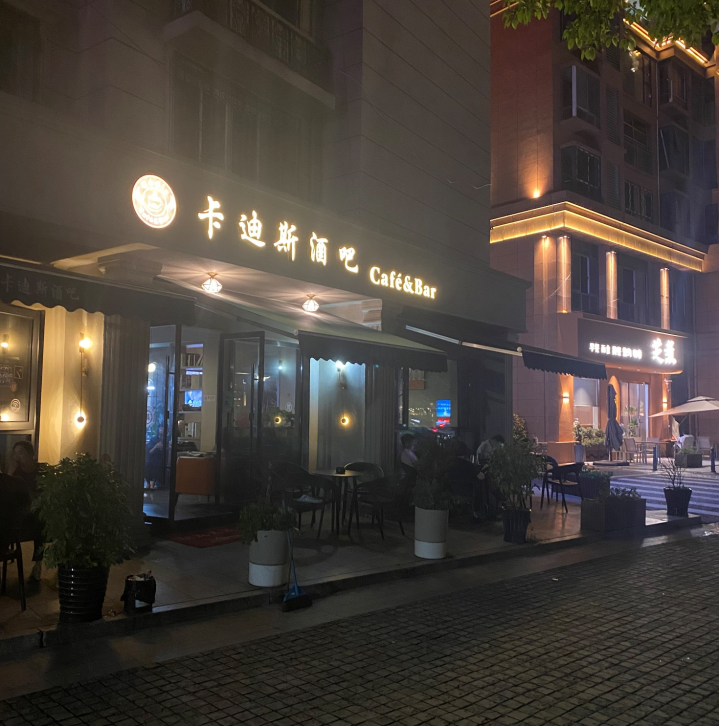
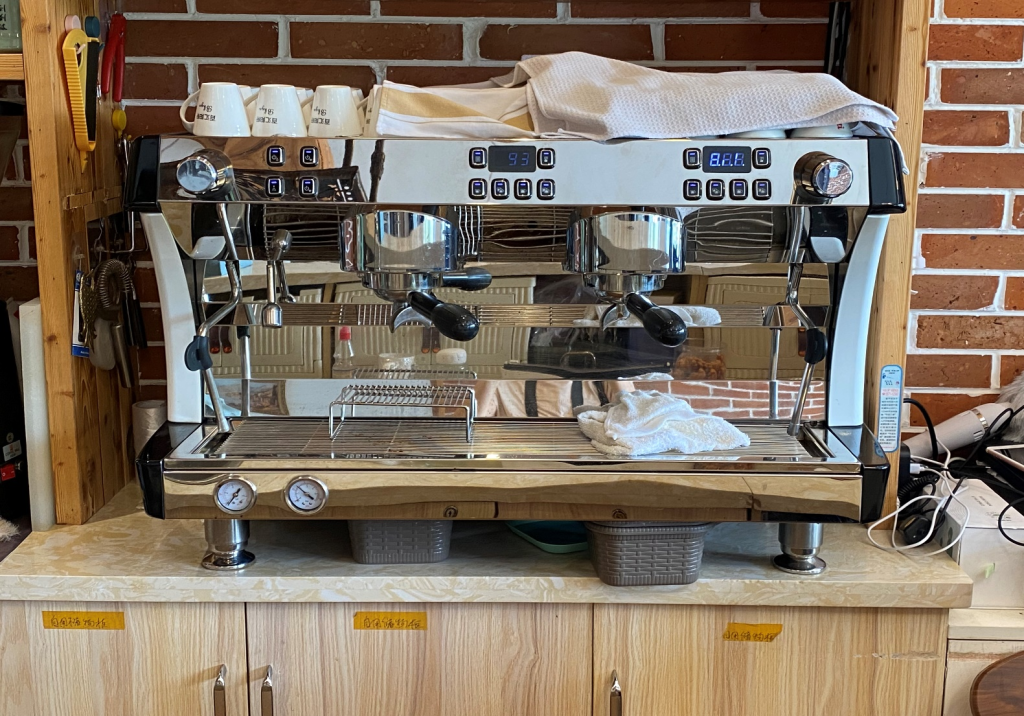
Certainly, coffee culture has taken root among returning emigrants in Wenzhou, Wencheng, Qingtian and Yuhu. These photos bear clear witness to this phenomenon. The coffee machine pictured above the caption is located in an establishment in Wuyang, where efforts are underway to develop agritourism facilities.
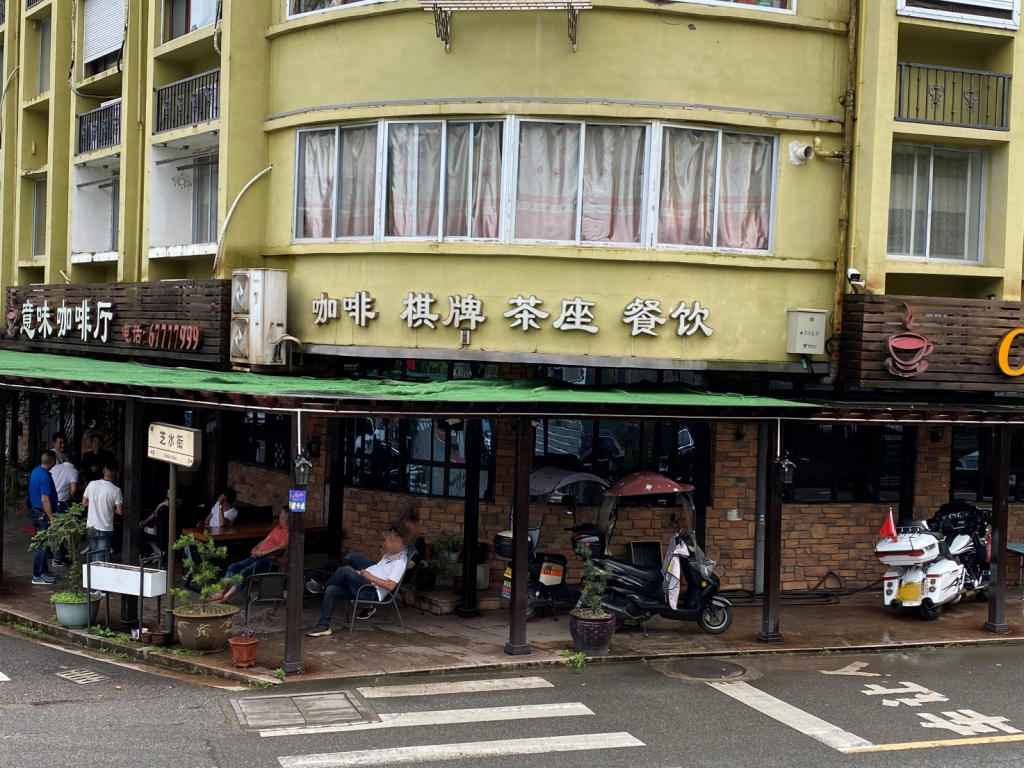
In this establishment in Yuhu (玉壶), the sign on the upper left reads “Italian-style Coffee,” and the following image also refers to Yuhu…
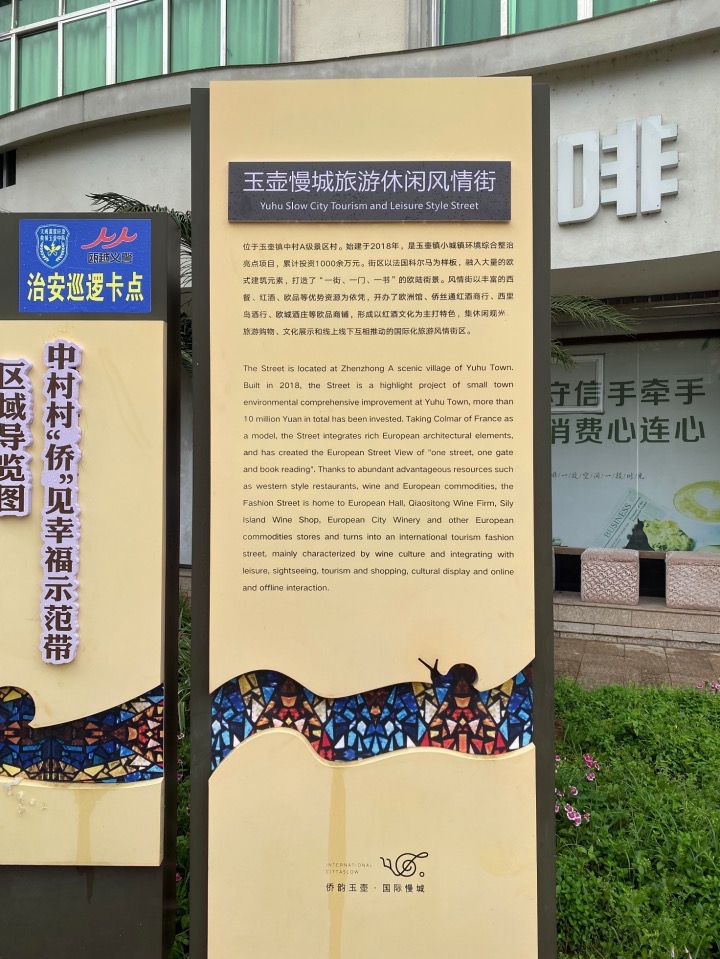
FROM COFFEE… TO WINE
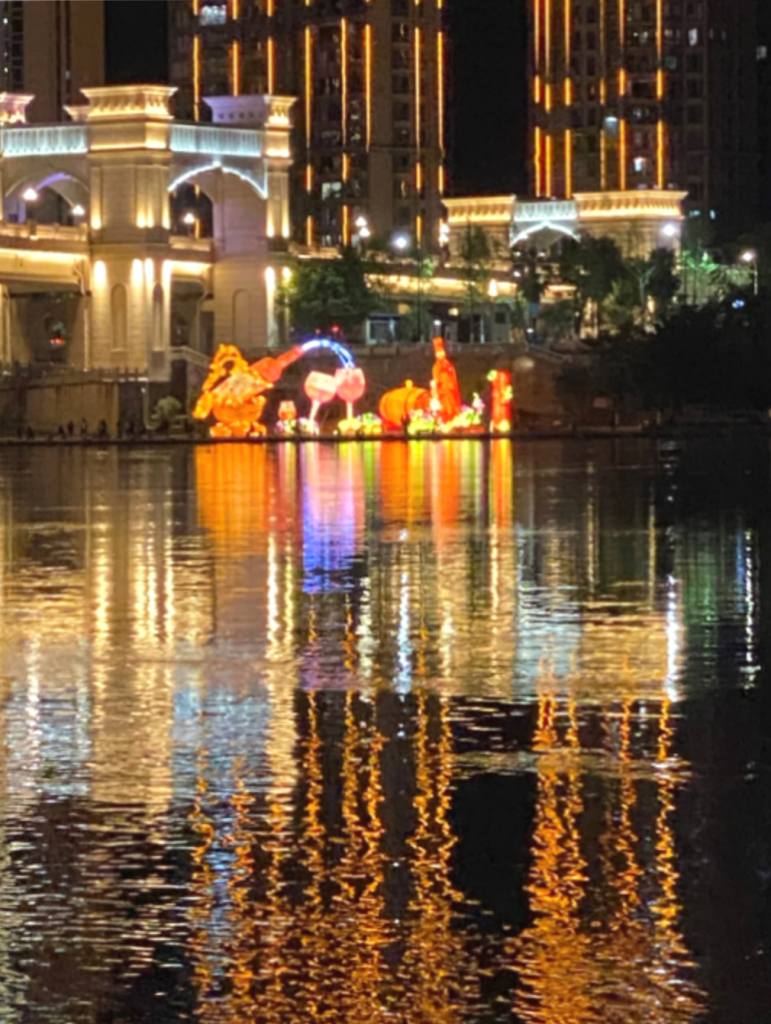
Wine culture has indeed become part of the local traditions: For the 2024 New Year celebrations, light installations were set up along the Ou River (瓯江) that flows through Qingtian (青田), which remained in place for months afterward. One of these installations clearly references wine toasting rituals.
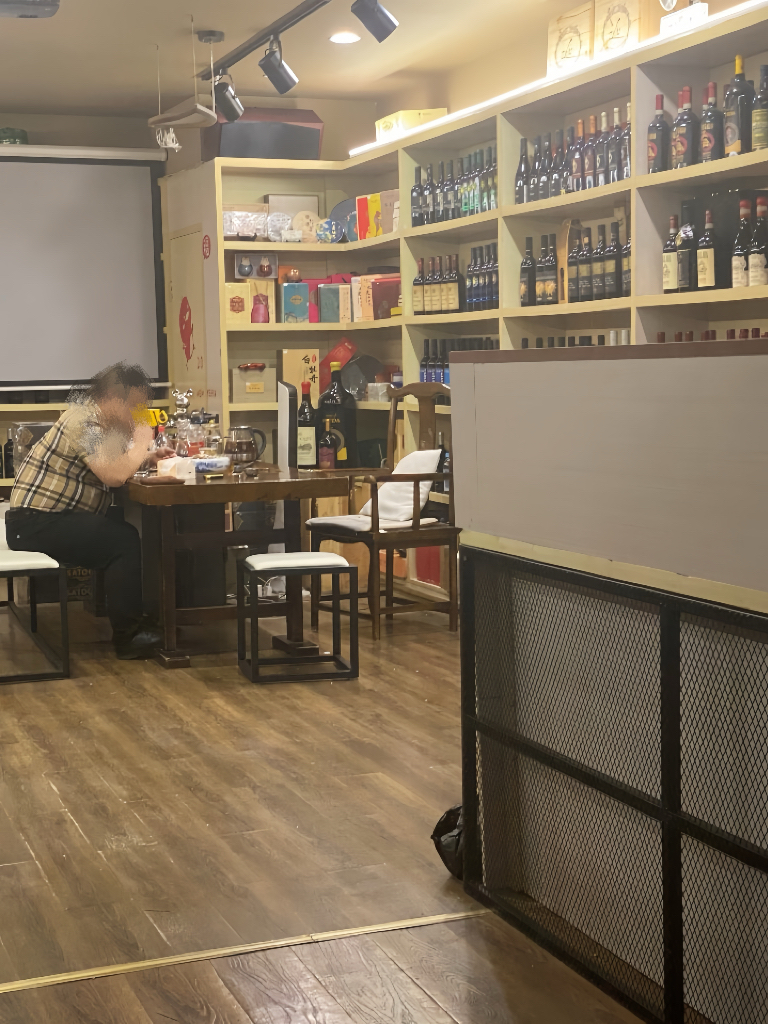
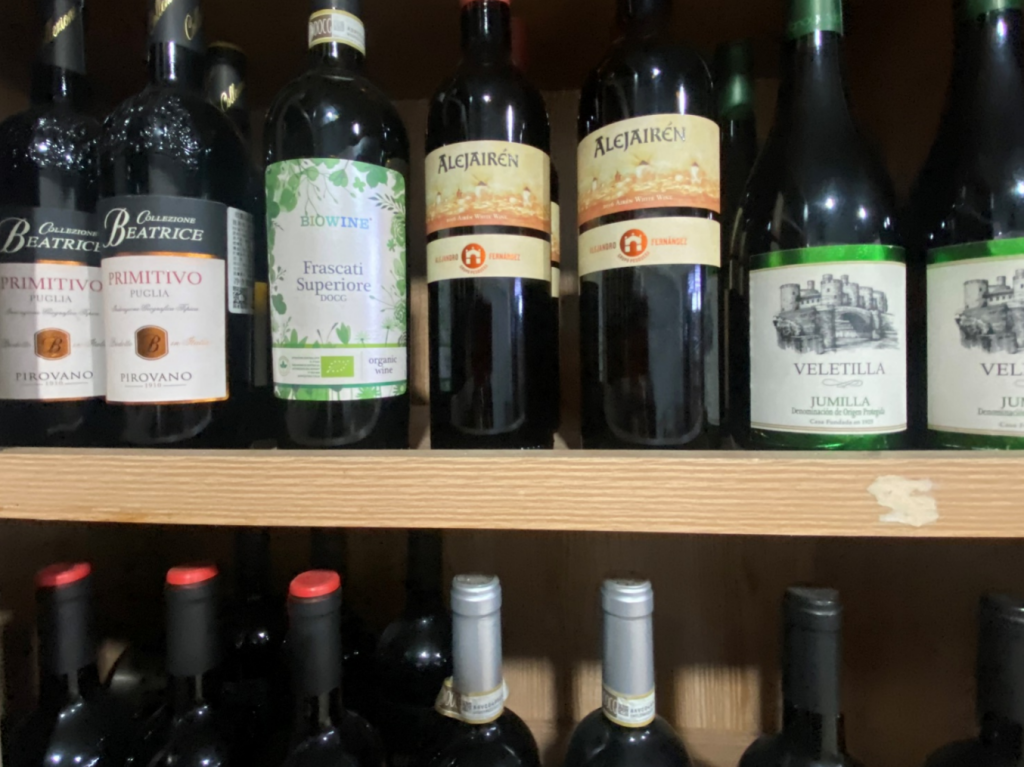
And from wine... to agritourism!
The enhancement of rural life is also a characteristic of “postmodern” societies and certainly not of societies that still maintain strong ties to the peasant world. This different way of viewing the agricultural world is undoubtedly a result of immigrants’ exposure to different social models. The countryside is beginning to become… a place of leisure, far from the frenzy of big cities.
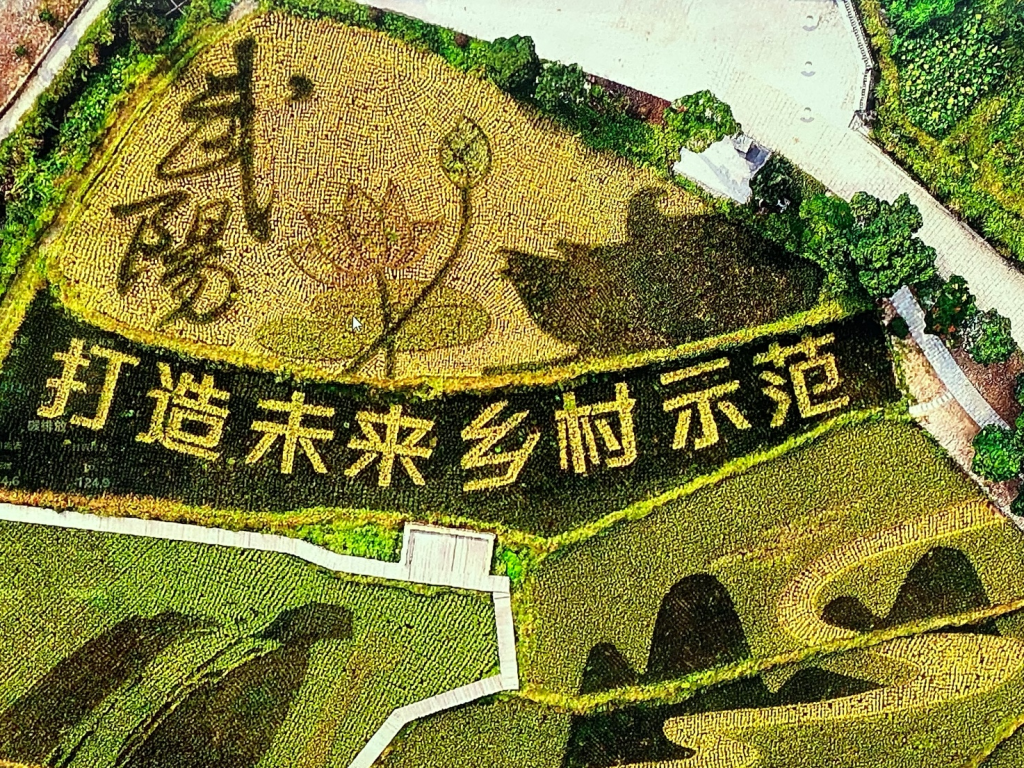
Some images of the emerging “agritourism”:
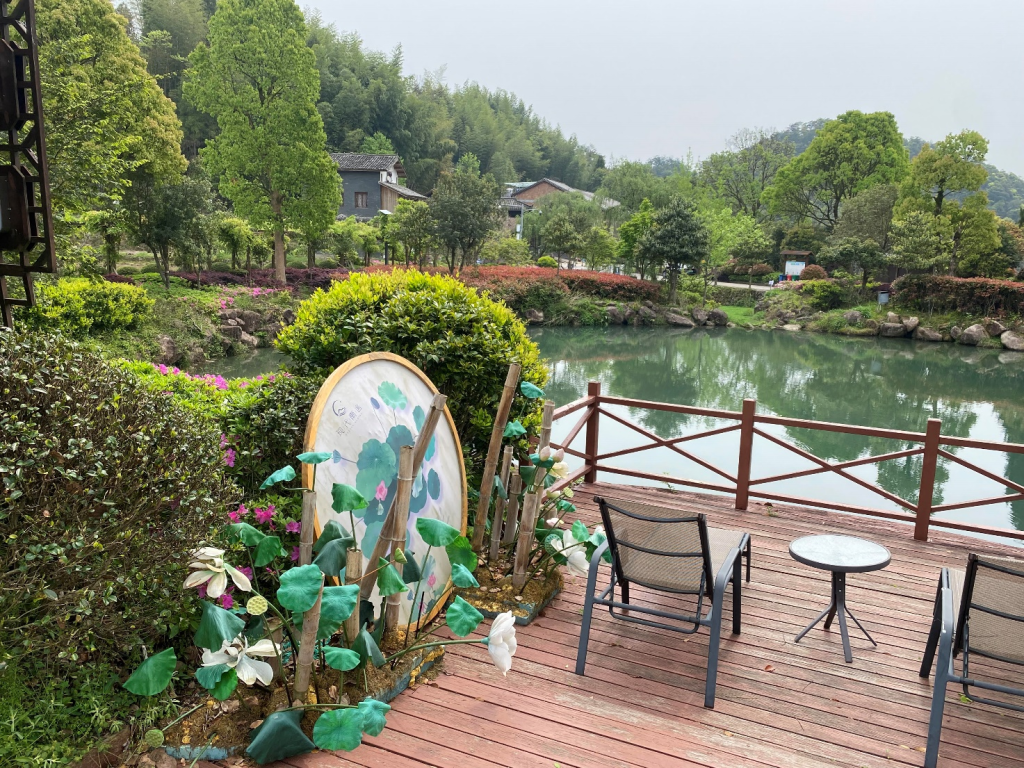
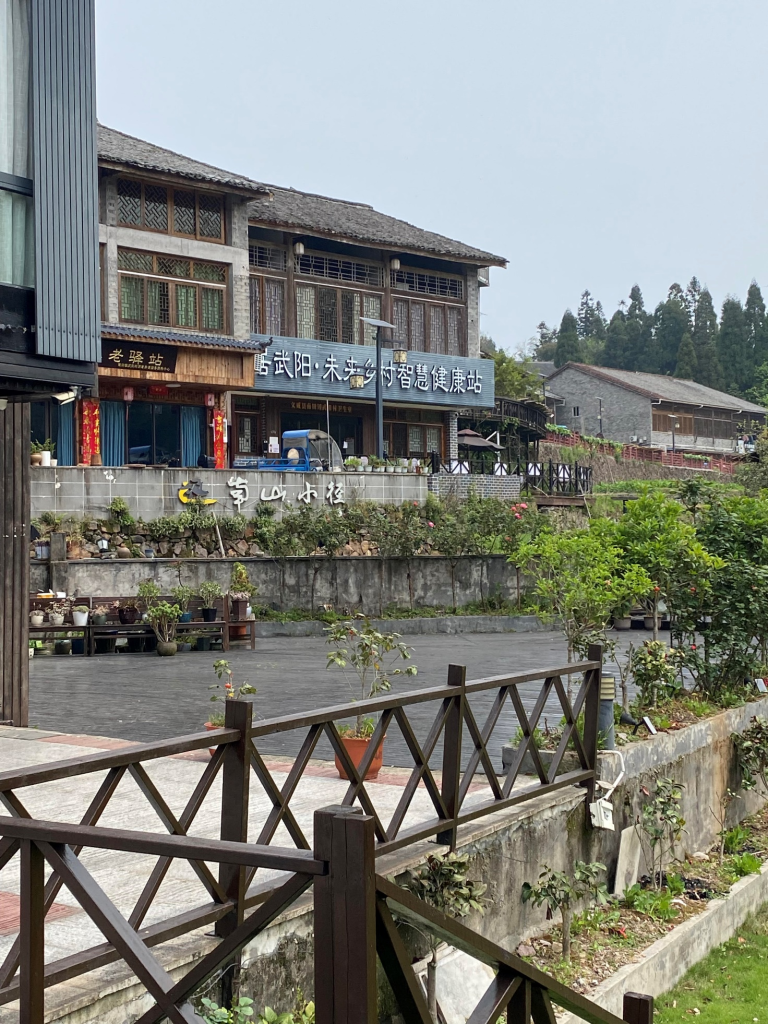
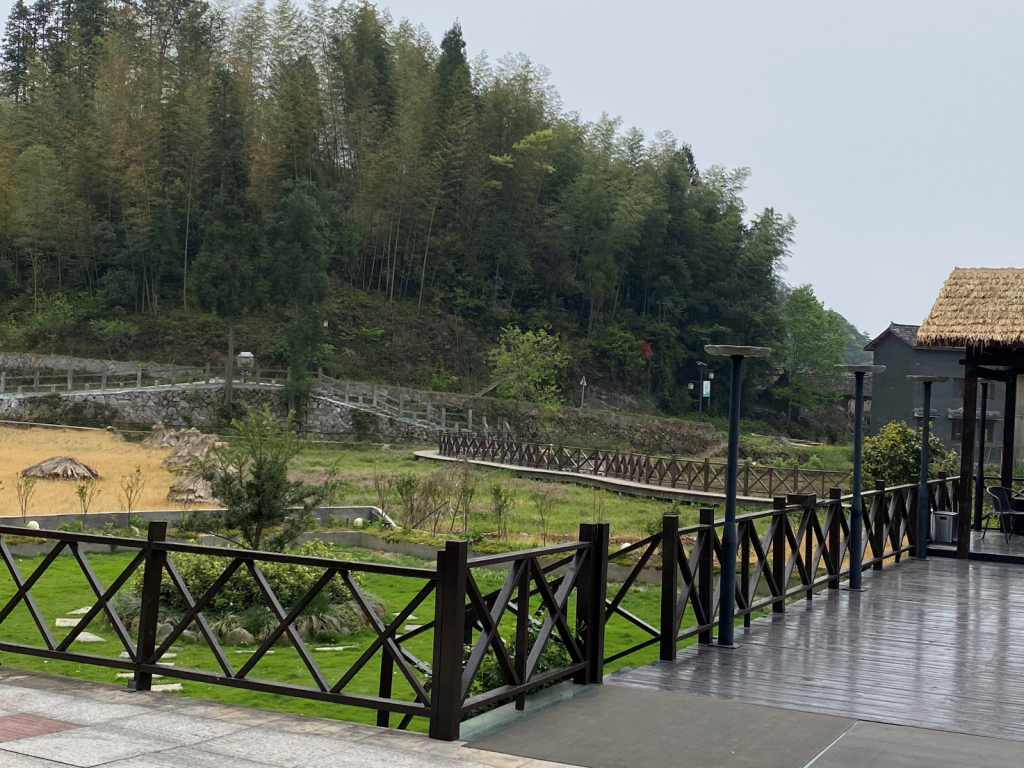
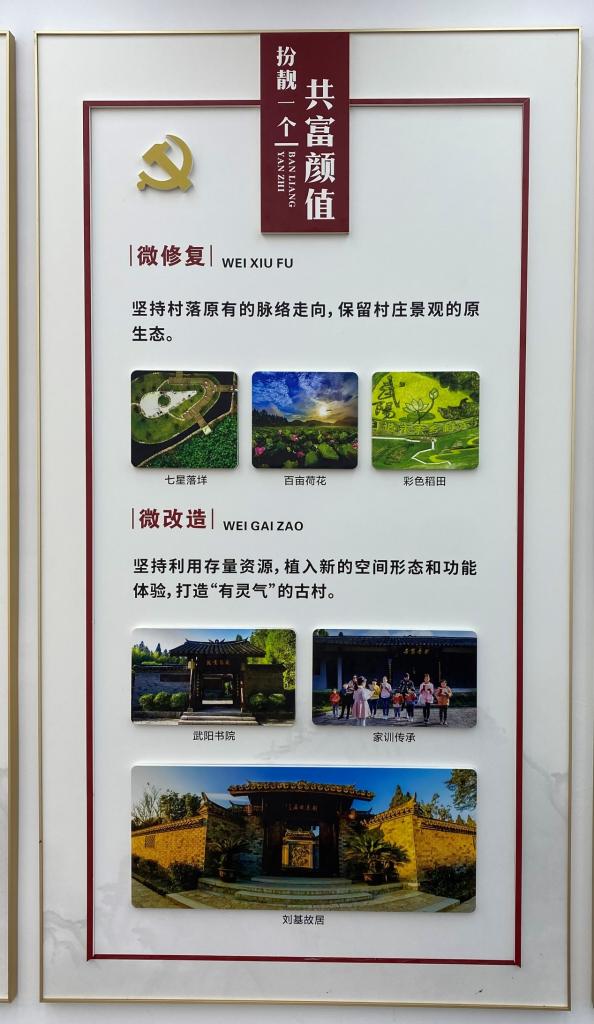
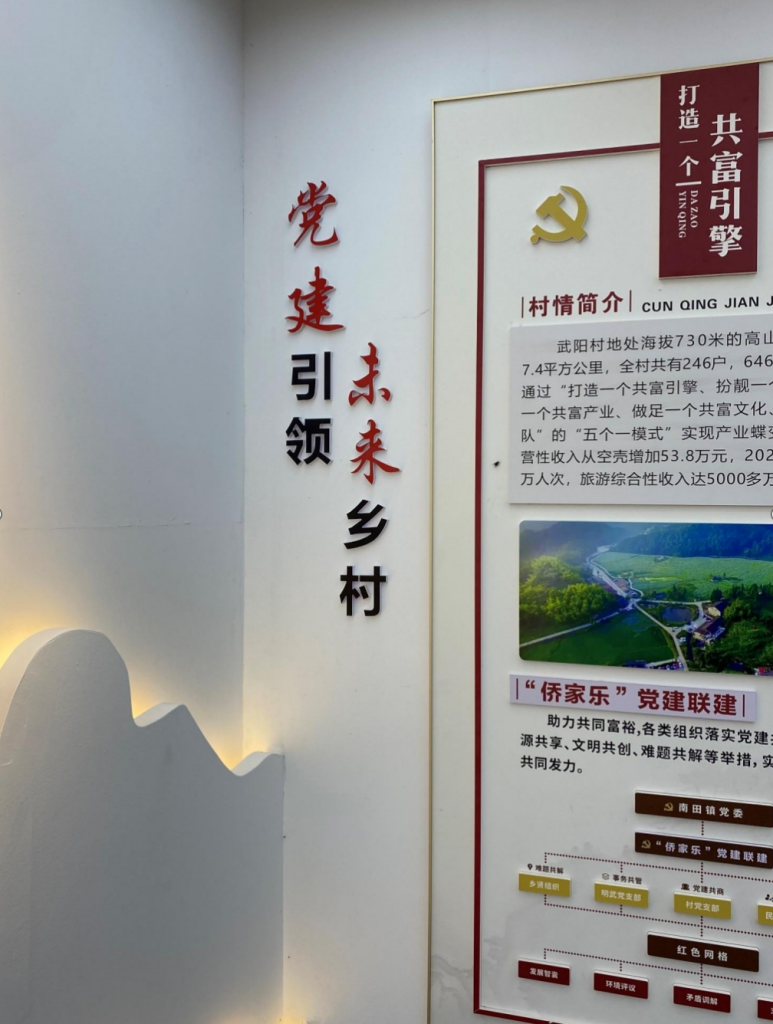
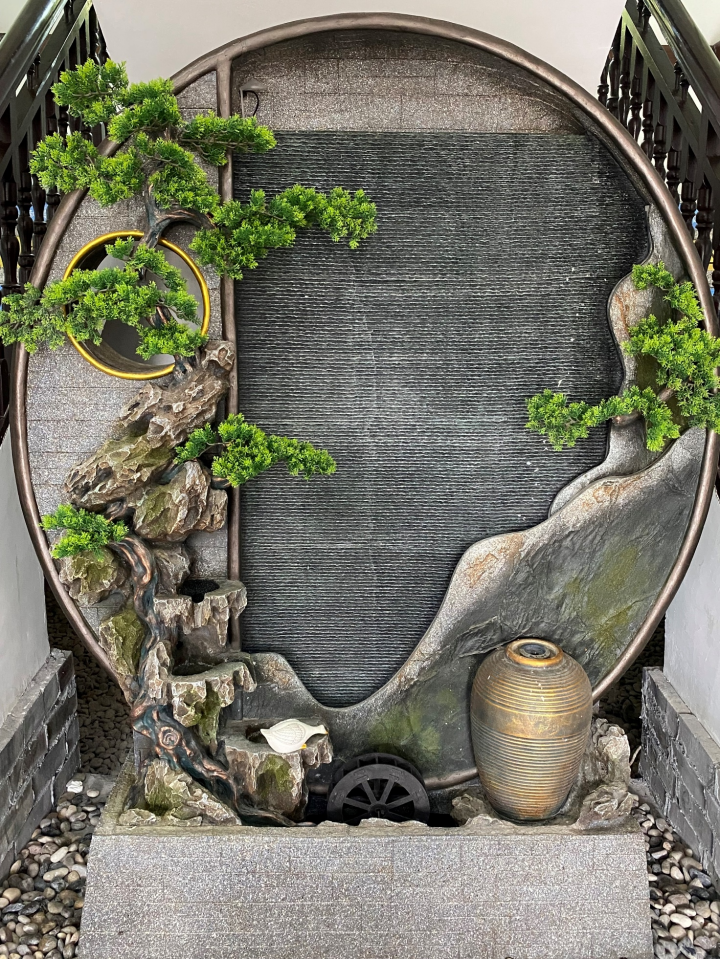
The Communist Party maintains a presence in Wuyang through a “Service Center” that offers recreational activities and outlines the area’s development plans. The photos below pertain to this center: